


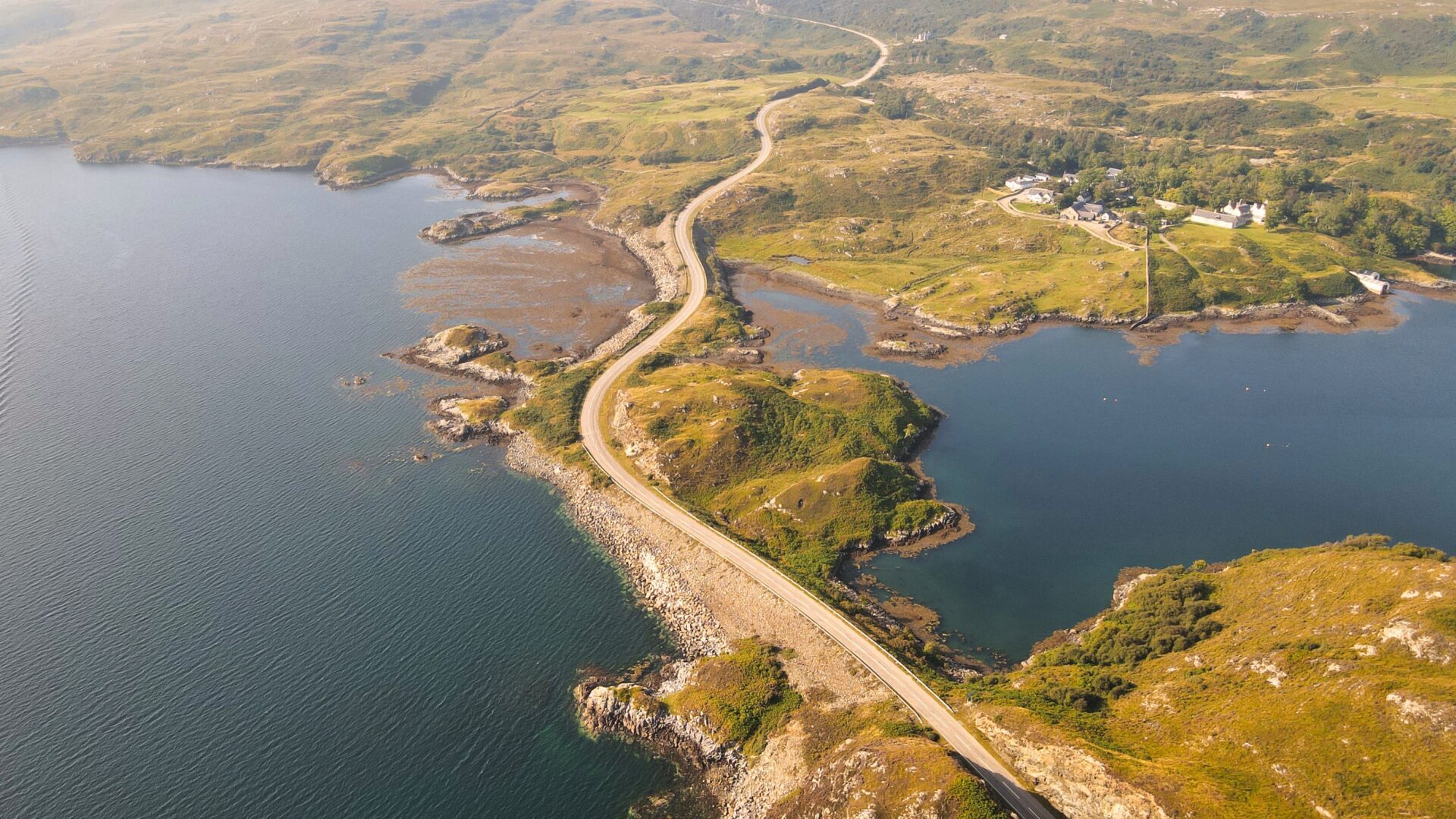

Scotland’s North Coast 500, or NC500, has seen a significant upsurge in traffic, as the global trend of vanlife continues to rise. Encompassing 516 miles of Scotland’s stunning northern highlands, this breathtaking route has been increasingly drawing vanlifers from far and wide. But what does this mean for the local communities situated along the route? This article explores in depth the effects—both positive and negative—that the vanlife movement has on these quaint, often remote communities along the NC500.
A Much-Needed Boost to Local Economies
The NC500 winds through some of the most rural and remote parts of Scotland. The local communities sprinkled along this scenic route have historically relied heavily on tourism as a key source of income. The recent surge in vanlife culture has provided a significant economic impetus to these areas.
Van dwellers, by virtue of their nomadic lifestyle, are often keen on immersing themselves in local cultures. They are more likely to invest in local produce, traditional crafts, and experiences that are unique to these small communities. This interest translates to an economic uplift for local shops, eateries, and service providers, from the charming local pubs of Applecross to the homemade crafts available in the historic town of Wick.
But the impact isn’t just immediate; it’s also cumulative. Every Instagram post featuring the stunning local landscapes, every travel blog reviewing local restaurants, and every Facebook update recounting encounters with friendly locals contributes to organic, word-of-mouth marketing for these regions. The resultant increased visibility can attract even more tourists, setting off a virtuous cycle of economic benefits.
Infrastructure Strain and Environmental Concerns
But the increase in vanlife along the NC500 also poses certain challenges. Foremost among these is the impact on the local environment. While many vanlifers subscribe to ‘leave no trace’ principles, not all do, especially those new to the lifestyle. Irresponsible behaviour, such as leaving behind rubbish, can degrade the natural beauty of these regions and puts additional pressure on local resources to manage waste and repair any damage caused.
Infrastructure is another area of concern. The facilities in these rural areas are limited and not designed to handle a rapid surge in traffic or accommodate large vehicles for extended periods. The resultant overcrowding at popular tourist spots, coupled with the issues posed by wild camping, such as lack of suitable waste disposal facilities and increased fire risk, can strain the local infrastructure.
Moreover, the economic benefit can be a double-edged sword. A heavy reliance on seasonal, inconsistent vanlife tourism can cause instability for local businesses, which might struggle to survive during off-peak seasons when fewer vanlifers are on the road.
The Social Impact on Communities
There is also a less tangible but equally significant aspect to consider: the social impact on local communities. The arrival of large numbers of vanlifers can alter the dynamics of these small communities. While many locals appreciate the economic benefits and the opportunity to meet people from diverse backgrounds, others may feel overwhelmed by the influx of outsiders and the accompanying changes.
Towards a Sustainable Co-existence
So, how do we ensure a balance where the benefits of vanlife tourism can be harnessed without overburdening these communities or their environments? The answer lies in fostering a sustainable and responsible vanlife culture.
Education is a crucial aspect. Information on responsible waste management, guidelines for respectful interaction with local communities, and best practices for sustainable tourism can be disseminated through various channels, including tourism offices, online platforms, and community outreach initiatives.
Investment in infrastructure is another key element. Developing more designated parking areas for vans, providing robust waste disposal facilities, creating designated campsites with necessary amenities, and improving local roads to manage the increased traffic can help accommodate the needs of vanlifers without straining local resources.
At the community level, local businesses can adapt to leverage the opportunities offered by the vanlife movement. For instance, they could consider offering off-season attractions to encourage year-round tourism or diversifying their products and services to cater specifically to vanlife needs.
Conclusion
The relationship between the vanlife movement and the local communities along the NC500 is complex, offering both opportunities and challenges. By fostering a culture of responsible vanlife and investing in necessary infrastructure, a symbiotic relationship can be established that respects both the needs of these communities and the stunning landscapes of the NC500. As the vanlife movement continues to evolve, it’s important to ensure it leaves a positive legacy that benefits not just the vanlifers, but the local communities that host them, and the beautiful Scottish environment that enthrals them.