
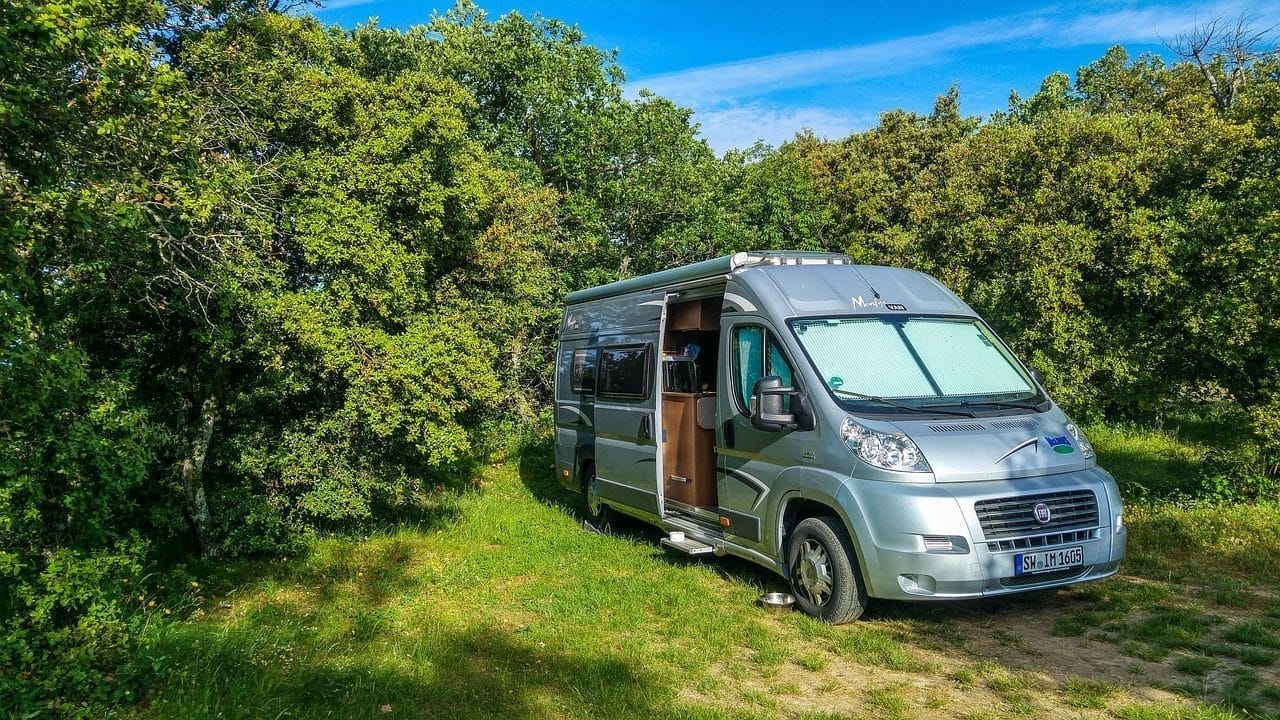
Living in a van full-time is absolutely possible, but in practice it looks very different from the version often presented online.
At its best, it offers a simpler way to live, lower fixed costs, and the freedom to move with the seasons or follow a slower route from place to place. For some people, that flexibility is the whole point. For others, the reality of limited space, daily logistics, and constant planning can become tiring surprisingly quickly.
Whether it suits you depends less on the idea of freedom and more on how comfortable you are with solving small practical problems every day in a very limited space.
Van life in practice
At its core, full-time van living means turning a vehicle into a space that supports everyday life, not just occasional trips away. That means sleeping, cooking, washing, working, and storing everything you own within a very small footprint.
One of the first things most people notice is how much daily life revolves around space management. Every item needs a place, and ideally more than one use.
A fixed bed is often the most comfortable option, but in smaller vans it may need to convert into seating during the day. That can work well, though it does make everyday life more dependent on tidying up and resetting the space each morning and evening.
A simple kitchenette is usually enough for long-term travel. In practice, this often means a portable stove, a small fridge or cool box, and enough storage for dry food, pans, and utensils. The key is not complexity but ease of use. If cooking feels awkward or time-consuming, you are far more likely to rely on takeaways and cafés, which quickly changes the overall cost of living.
Storage tends to matter more than people expect. Clothes, tools, bedding, electrical equipment, outdoor kit, and basic supplies all need to fit without making the van feel constantly cluttered. Overhead cupboards, under-bed drawers, and soft storage bags all help, but even with a well-planned layout, space remains limited.
Sanitation is another practical reality that needs honest thought. Some people travel quite happily using public toilets, leisure centres, campsites, and service stations. Others prefer a portable toilet and a simple sink setup. If you plan to spend time in rural park-ups or off-grid spots, having your own basic facilities often makes daily life considerably easier.
Comfort and weather
Comfort in a van is closely tied to the weather.
A van that feels perfectly liveable in mild spring weather can become much harder to live in during winter or a hot spell. Good insulation makes a significant difference, both for warmth and for reducing condensation. Without it, damp bedding, wet windows, and cold surfaces can quickly become part of everyday life.
Ventilation is equally important. Roof vents and fans help move moisture out, especially after cooking or sleeping. In real day-to-day use, this often matters just as much as heating.
For colder weather, many people rely on a portable heater. Some use more permanent heating systems, while others choose a wood stove in larger conversions, though this requires careful installation and safe ventilation. Whatever the setup, warmth is not just about comfort but about making the space genuinely usable through the day.
The legal side of living in a van
This is often where van life becomes more complicated.
The legality of sleeping in a van varies depending on where you are. Some areas are relaxed, while others actively restrict overnight parking, particularly in towns, cities, and coastal areas popular with campervans.
Before staying anywhere overnight, it is worth checking local rules and signage carefully. Public car parks may prohibit overnight stays, and some streets enforce restrictions specifically aimed at campervans and motorhomes.
In practice, many full-time van dwellers rotate between campsites, designated overnight areas, legal parking spaces, and private land where permission has been granted. Knowing how a place works on the ground matters far more than assumptions.
A permanent address is another practical necessity. Even if you live in the van full-time, you will usually still need an address for banking, post, driving documents, voting, and insurance. Many people use a family member’s address, a PO box, or a mail forwarding service that provides a legal correspondence address.
Insurance is also worth looking into properly before making the move. Not every policy is suitable for a van being used as a full-time living space, particularly if it has been converted. Being clear about how the van is used day to day matters, as this can affect both cover and claims.
Working and staying connected
If you plan to work while living in the van, internet access quickly becomes one of the most important parts of the setup.
For many people, this means relying on mobile data, a dedicated hotspot, or campsite Wi-Fi when available. Signal strength can vary significantly once you move into rural areas, coastal routes, or more remote park-ups, so where you stop can directly affect your ability to work.
In practice, many full-time van dwellers plan their route with connectivity in mind, staying closer to towns or known signal areas during working days and moving more freely when work is not a priority.
Water, waste, and everyday logistics
A lot of permanent van living comes down to the small routines that repeat every day.
Fresh water needs topping up regularly, particularly if you cook often or have a sink setup. Rubbish, grey water, and toilet waste also need safe and regular disposal.
This side of van life is rarely the part people imagine first, but it often shapes the rhythm of daily life more than anything else. Knowing where you can refill water, empty waste responsibly, and deal with rubbish makes long-term living feel far more manageable in practice.
Living in a van through winter
Winter is often the point where full-time van living is tested most honestly.
Shorter days, colder nights, and persistent damp can make the space feel much smaller. Condensation becomes more noticeable, bedding can take longer to dry, and simply staying warm requires more planning.
For many people, winter is where insulation, ventilation, and heating stop being useful additions and become essential to making the lifestyle sustainable.
It is often during this season that the day-to-day reality of van life becomes clearest. If the setup works well through winter, it will usually feel far easier during the rest of the year.
Costs and finances
Living in a van can reduce monthly costs, but it is not automatically cheap.
The biggest saving is usually the absence of rent and lower utility bills. That alone can make a major difference. Living in a smaller space also tends to reduce unnecessary spending simply because there is nowhere to put more things.
That said, there are several costs people often underestimate.
Buying the van itself can be a substantial upfront expense, depending on age, mileage, and condition.
Conversion costs vary widely. A professional conversion can be expensive, especially if it includes electrics, insulation, heating, and fitted furniture. A DIY build can reduce costs significantly, though it demands time, planning, and practical skills.
Maintenance should never be treated as optional. When your home is also your vehicle, a breakdown is more than an inconvenience. Regular servicing, tyres, brakes, and mechanical repairs are essential parts of the cost of living.
Fuel is another ongoing factor, particularly if you move frequently. Slow travel often makes van life more financially sustainable because constant driving can quickly increase monthly costs.
Sustainability and simple living
One of the more realistic benefits of van life is that it often encourages a more intentional way of living.
Limited space naturally reduces consumption. You become more selective about what you buy, what you keep, and what you actually use day to day.
Many people add solar panels to power lighting, phones, laptops, and small appliances. This can reduce reliance on campsites and mains hook-ups while making daily life more flexible.
The sustainability side often comes less from the van itself and more from the habits it encourages: less consumption, fewer possessions, and slower movement between places.
Social life and community
A common concern is loneliness, and it is a fair one.
Living on the road can feel isolating at times, particularly during long stretches of solo travel or poor weather when you spend more time indoors.
At the same time, there is often a strong sense of community among van dwellers. Online groups, local meet-ups, campsites, and shared stopovers can create natural points of connection.
Staying in touch with friends and family also matters more than many people expect. Regular calls, planned visits, and returning to familiar areas from time to time can make the lifestyle feel far more sustainable emotionally.
Is it right for you?
Before committing to full-time van living, it is worth testing it properly.
A long trip, lived as you realistically would day to day, is often far more useful than a short holiday-style weekend. Try cooking, working, sleeping, and managing poor weather in the van. The practical reality will tell you far more than the idea of it ever will.
Living in a van permanently can be deeply rewarding for the right person. It offers freedom, lower fixed costs, and a simpler rhythm of life. But it also asks for flexibility, patience, and a willingness to deal with small practical details every single day.
The real question is not whether it is possible.
It is whether the daily reality of it feels like the kind of life you genuinely want.