
Embarking on the North Coast 500 (NC500) feels less like following a route and more like moving through layers of story, landscape, and memory. Often described as Scotland’s Route 66, this 516-mile journey loops around the Highlands through coastlines, lochs, mountain roads, and long quiet stretches where the landscape seems to hold onto its past. Along the way, folklore is never far from the surface. Old legends still cling to the lochs, glens, and sea cliffs, adding another layer to the drive.
For anyone travelling by van, camera in hand, or simply taking the route slowly, these stories can change the way a place feels. They give context to the scenery and often turn an already memorable stop into one that stays with you long after the trip ends.
Nessie: The Elusive Dweller of Loch Ness
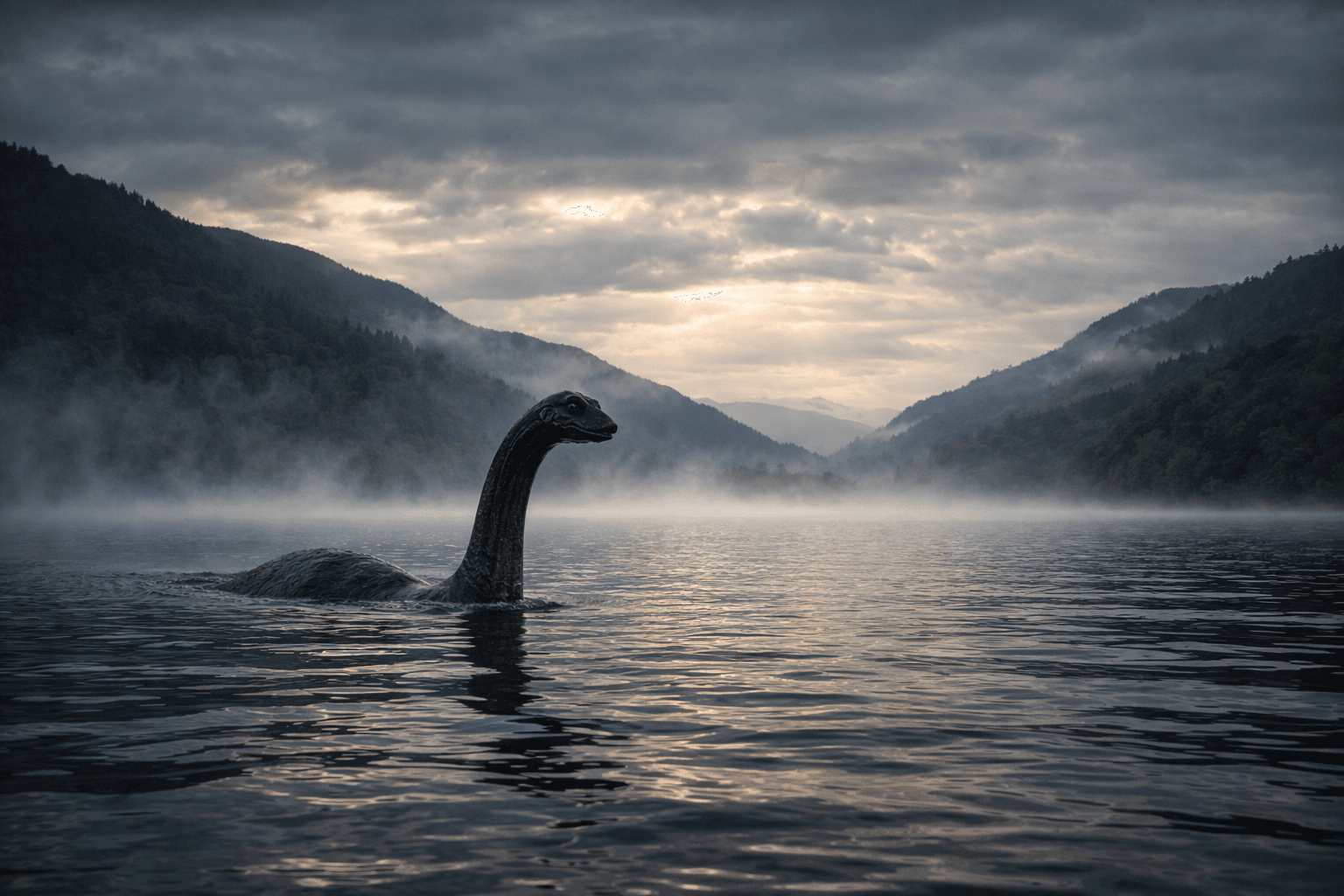
Loch Ness sits close to Inverness, making it a natural early stop for many beginning the NC500. The loch has long been wrapped in mystery, largely because of the legend of Nessie, the Loch Ness Monster. Stories of a creature in these dark waters go back as far as the 6th century, with descriptions often portraying a serpent-like figure moving just below the surface.
Whether or not you give the legend much weight, Loch Ness has a certain atmosphere that makes the story easy to understand. The water is dark, the scale of the loch is hard to take in from a single viewpoint, and mist often hangs low across the surface in the morning. It is exactly the kind of place where imagination does a bit of extra work.
From a vanlife perspective, it is also one of those stops that rewards slowing down. Early light and late evening both completely change the mood of the loch, which makes it particularly rewarding for photography. Even without a mythical sighting, the changing weather, reflections, and shifting light offer plenty to work with.
Selkies: The Shape-Shifting Seals of Scottish Seas
As the route pushes further north, the coastline becomes a constant companion. Along these shores, seals are a familiar sight, and in Scottish folklore they carry a deeper meaning through the stories of Selkies. According to legend, Selkies are seals that can shed their skins and take human form on land, often appearing in stories centred on love, loss, and longing.
Watching seals along the coast, it is not difficult to see why these stories took hold. They appear curious, often lingering just offshore, and there is something almost human in the way they watch back. Stops along the coast naturally become places to pause, make a brew, and spend a little longer than planned simply observing what is happening around you.
For photographers, they make a compelling subject. Their movement in the surf, changing expressions, and the often dramatic coastal backdrop all lend themselves to quieter, more observational shots that suit the slower rhythm of the NC500 well.
Fairy Glen of Rosemarkie: An Enchanted Ravine
Near Rosemarkie on the Black Isle, the Fairy Glen brings another layer of Highland folklore into the journey. This wooded ravine, cut through by the Muckle Burn and framed by waterfalls, has long been associated with fairy stories and local legend. The idea of the fey folk inhabiting the glen still shapes the way many people experience it today.
In practical terms, it is one of the more atmospheric walking stops on the route. The path draws you into a quieter, enclosed space after the openness of the coastal roads. Moss-covered rocks, tree roots, filtered light, and the constant sound of moving water make it feel distinctly separate from the rest of the drive.
It is easy to understand how folklore settled here. The shifting light through the trees and the movement of the leaves create a sense that the landscape is alive in its own way. For photography, there is plenty of texture to work with, from the woodland details to the waterfall itself, which naturally becomes the focal point of the stop.
The Wailing Widow Waterfall: A Cascade of Sorrow
Further west, near Kylesku, the Wailing Widow Waterfall offers one of the more emotionally charged legends on the NC500. Local folklore tells of a mother mourning the loss of her son in the nearby loch, her cries said to echo through the landscape and live on in the sound of the falls.
The setting itself adds weight to the story. Water drops dramatically from the high loch into a steep gorge below, and after rain the force of it becomes even more striking. This is one of those places where the conditions on the day can completely shape the experience.
For anyone travelling the route in a van, it is a stop that feels less about ticking off a landmark and more about taking a moment with the landscape. The sound alone carries across the area, and the folklore gives the place an added sense of depth that changes how you read the scene.
The North Coast 500 is more than a scenic drive. It is a route where landscape and story often sit side by side. These myths and legends do not need to be believed to add something meaningful to the journey. They simply offer another way of seeing the places you pass through.
For van travellers especially, where the pace is slower and stops are often shaped by instinct rather than itinerary, that sense of place matters. The folklore woven through the Highlands adds context, atmosphere, and memory to an already deeply rewarding route.