
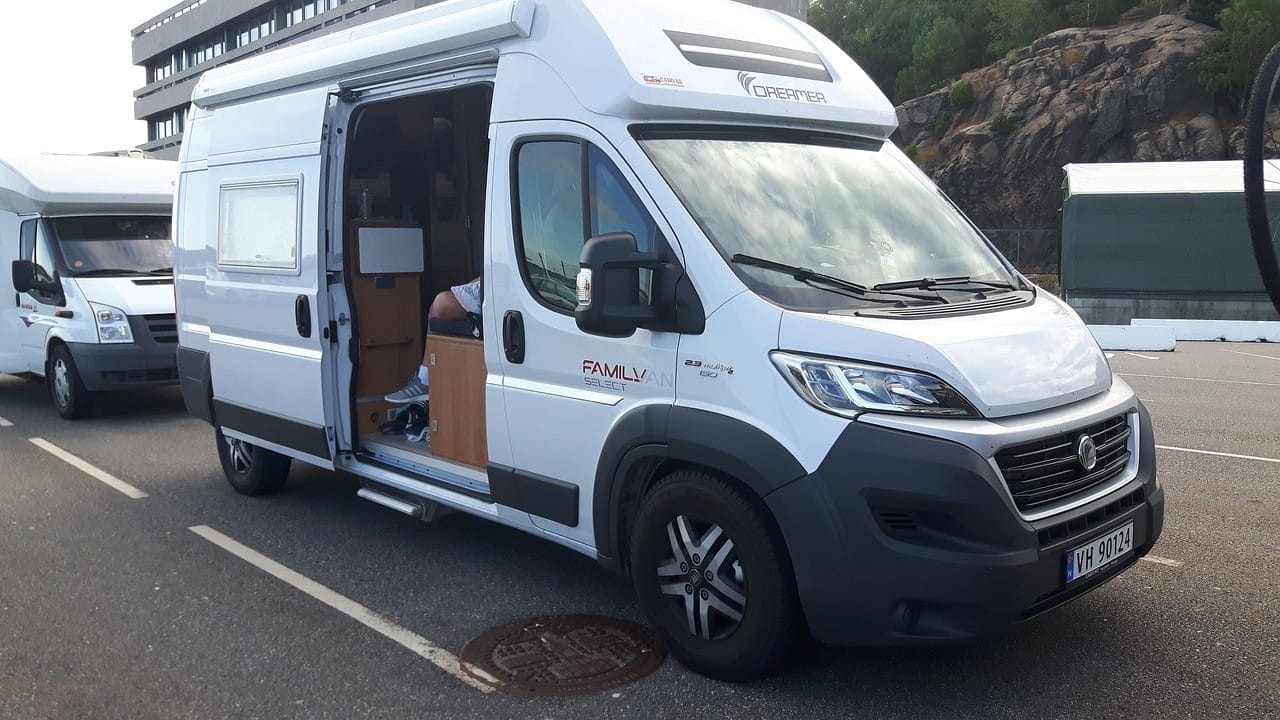
Parking overnight in a city feels like a different proposition to stopping in rural or coastal areas. In practice, it is.
Cities compress everything. Residents, businesses, enforcement teams and traffic systems all operate in close proximity. Even where the written rules look similar to elsewhere, the margin for error is smaller and tolerance is usually lower.
This isn’t a list of guaranteed places to stay. It’s a way of understanding how urban overnight parking tends to work, what changes once you cross into a city boundary, and how to approach it without creating problems for yourself or others.
Why Cities Operate Differently
Most UK cities manage parking to serve residents and commuters. Campervans, especially those used overnight, don’t fit neatly into that system.
The differences tend to come down to a few consistent factors:
- Density: vehicles that don’t move are noticed quickly
- Regulation: restrictions vary street by street, often layered
- Enforcement: regular patrols rather than complaint-based
- Scarcity: fewer spaces that suit larger vehicles
In rural areas, enforcement often responds after an issue appears. In cities, it usually runs on a schedule whether there’s a problem or not.
Controlled Parking Zones (CPZs): The First Urban Hurdle
Controlled Parking Zones are one of the most common sources of confusion when stopping in cities.
A CPZ applies parking rules across a whole area, even if individual streets look unrestricted. Entry signs usually outline:
- Permit hours
- Time limits for non-permit holders
- Whether overnight parking is restricted
Once you’ve passed that entry sign, the rules apply throughout the zone. A quiet street with no visible signage can still be restricted.
In practice, this is where many overnight stops fall apart. Not because sleeping in a van is illegal, but because the vehicle isn’t parked in line with the permit rules.
It’s also easy to miss CPZ entry signs late at night, especially when you’re tired and looking for somewhere to stop quickly.
Residents’ Permits and Time-Limited Bays
Outside CPZs, many residential streets still operate on permit systems or short-stay restrictions.
Common patterns include:
- Permit holders only overnight
- Free evening parking that switches to restrictions early morning
- Two or four hour limits during the day
These setups can technically allow an overnight stay, but they often come with a catch. You may need to move early, sometimes right as commuter traffic starts building.
That’s fine if you’re already up and planning to leave. Less so if you were hoping for a slower morning.
Height Barriers and Physical Restrictions
Urban car parks often rely on physical restrictions rather than signs to control access.
Height barriers around 2.0m to 2.2m are common in:
- Supermarket car parks
- Retail parks
- Council-run off-street parking
Even if a barrier is open when you arrive, it may be locked down early the next morning. That creates a simple risk: you can’t leave until staff return.
Unless a car park clearly allows campervans, I tend to avoid barriered sites entirely.
Enforcement in Cities: What Draws Attention
In cities, enforcement usually focuses on parking compliance rather than whether someone is inside a vehicle.
From experience, attention is more likely when:
- A vehicle stays in the same spot across multiple patrols
- Parking rules are slightly breached
- A van looks clearly lived in
- The location is close to housing or schools
Unlike rural areas, where action often follows complaints, city enforcement teams tend to work to fixed rounds.
City-Specific Variations Worth Knowing
Every city is slightly different, but some patterns repeat often enough to be useful.
London
Extensive CPZ coverage
ULEZ and congestion charge considerations
Limited tolerance for overnight van stays outside campsites
Manchester & Leeds
Large CPZs around central areas
More flexibility in outer residential districts
Increased enforcement near event venues
Bristol
Strong resident parking culture
Frequent use of height barriers
Seasonal pressure during festivals and summer
Edinburgh
Strict enforcement in central areas
Clear signage with little ambiguity
Outer areas more workable but still monitored
These are tendencies rather than fixed rules, and they do change over time.
Practical Ways to Think About Urban Stops
Rather than asking where can I stay, it’s often more useful to ask what problem you’re trying to solve.
If the goal is:
- Early access to a city centre, transport links matter more than distance
- A quieter night, outer districts tend to work better than central areas
- A short rest, motorway services or commercial stops are often more predictable
In many cases, the simplest approach is to stay just outside the city and travel in by bus or train. It removes a lot of uncertainty.
Common Misunderstandings About City Parking
“If it’s legal to park, it’s fine to stay.”
Legally that may be true. In practice, cities tend to focus on how a space is being used, not just whether a vehicle is allowed to be there.
“I’ll blend in on a residential street.”
Larger vans are usually noticed quickly, especially in areas with permit systems.
“Arriving late avoids enforcement.”
Many cities enforce early in the morning, not late at night.
Practical Takeaways
- Expect tighter regulation and lower tolerance
- Learn to recognise CPZ entry signs before you park
- Avoid barriered car parks unless access is clearly permitted
- Outer districts are usually easier than city centres
- Campsites or official stopovers can simplify things
Urban Parking Requires a Different Mindset
Overnight parking in UK cities isn’t impossible, but it does require a different way of thinking.
Cities prioritise residents, traffic flow and compliance. Campervans sit slightly outside that system, which means success comes from understanding how it works rather than trying to work around it.
With a clear read of CPZs, permit rules and enforcement patterns, urban stops can work. They’re just less flexible and less forgiving than rural ones, and planning ahead makes a noticeable difference.