
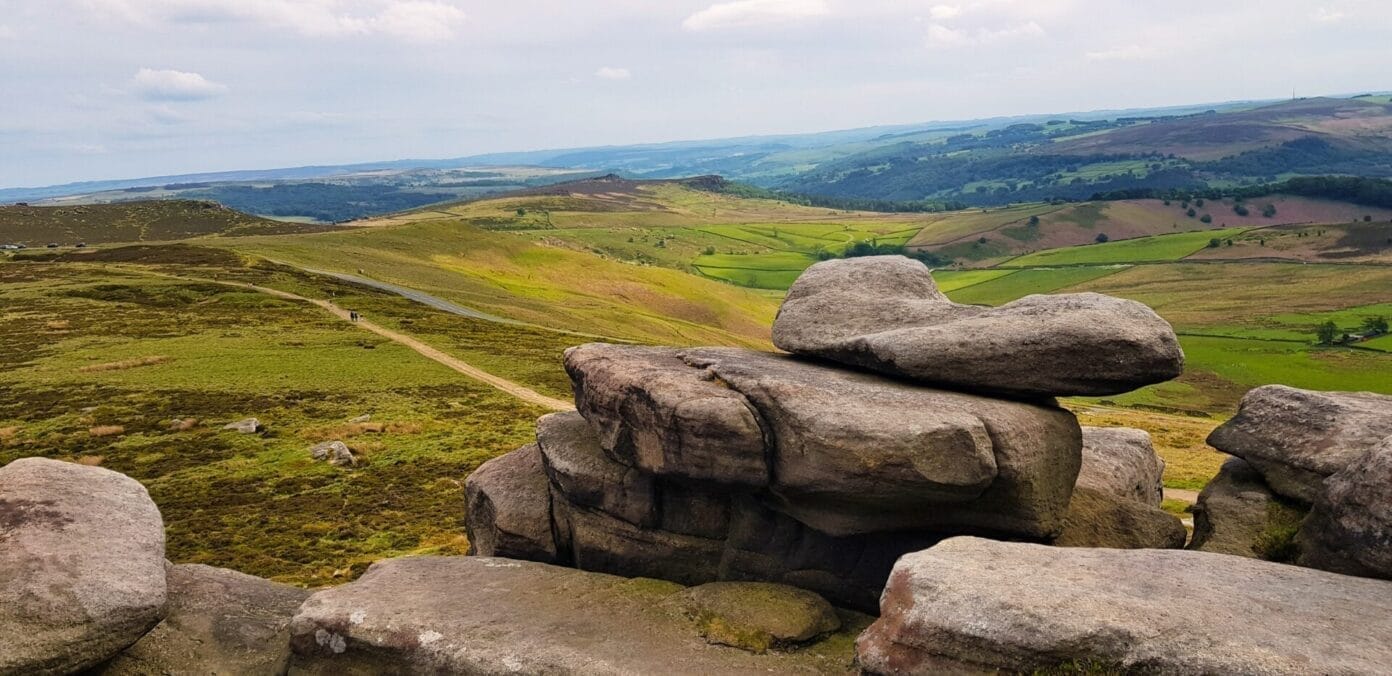
There’s a growing trend in holidaymaking across Britain, and it’s not about flying off to far-flung destinations. More and more people are choosing the simple appeal of a staycation: time away within the familiarity of our own shores. A countryside staycation, in particular, offers a slower, more grounded way to travel, with space to enjoy what is often closer than we realise.
Part of what makes it so appealing is the balance between the familiar and the new. You may still be within the UK, but a few hours on the road can bring you somewhere that feels entirely different from everyday life. Rolling hills, quiet lanes, historic villages, and open landscapes all offer the sense of escape people often look for in a holiday, without the pressure that can come with long-distance travel.
Choosing the Right Type of Countryside Staycation
The best type of countryside staycation often comes down to how you like to travel. For some, a cottage offers simplicity: a fixed base, a proper kitchen, somewhere to dry muddy boots, and an easy place to return to after a long walk. It tends to suit families, dog owners, and anyone planning to stay in one place for a few days.
For van travellers, the appeal is different. A campervan gives you flexibility to follow the weather, move between regions, and build in more spontaneous stops. It works especially well for short breaks where you want to cover more than one area without repeatedly packing and unpacking. The trade-off is that route planning, overnight parking, and local access restrictions matter much more in practice.
In simple terms, cottages suit staying put, while vans suit moving slowly through a region.
Seasonal Considerations That Matter in Practice
The countryside changes quite dramatically through the year, and it’s worth planning around that rather than assuming every season works the same.
Autumn and winter often bring muddy footpaths, softer verges, and shorter daylight hours. In practical terms, walks can take longer, parking areas may become less reliable under the wheels, and it’s easier to run out of daylight on rural roads. Winter afternoons in particular can catch people out, especially on narrow lanes or in more remote areas.
Spring is often one of the easiest times for a countryside break, with quieter roads, longer light, and paths beginning to dry out. Summer usually brings the best weather, but also the busiest lanes, car parks, and village centres, particularly in national parks and popular walking areas.
For van trips, summer crowding can make overnight stops and parking noticeably harder to find, so arriving earlier in the day tends to make things easier.
Regions Worth Considering Beyond the Usual Examples
While the New Forest and Norfolk Broads remain excellent examples, there are plenty of other countryside regions that work well for a staycation.
The Peak District is ideal for shorter breaks from much of England, with a good mix of walking routes, villages, and scenic roads. The Yorkshire Dales offer a quieter, more open feel with excellent pub stops and slower driving routes between market towns. The Lake District suits longer stays, especially if walking is the main focus, while Northumberland offers a more spacious and less crowded feel outside peak periods.
For a more road-trip-oriented stay, the Scottish Borders and Highlands lend themselves particularly well to van travel, provided overnight stops are planned responsibly.
Picture waking up in a small countryside cottage to birdsong outside the window and the smell of damp grass in the morning air. It’s a different pace from city life and a reminder of how restorative simple surroundings can be. The British countryside lends itself naturally to walking, hiking, cycling, and unplanned afternoons spent outdoors, whether that means a short stroll across fields or a full day on local footpaths.
For anyone interested in wildlife, the countryside also offers a chance to see Britain’s landscapes as living environments rather than just scenery. From deer in the New Forest to otters in the Norfolk Broads, each region has its own rhythm and character. Slowing down often makes these encounters more likely, and that slower pace is part of the appeal.
It’s not only about nature, though. Much of Britain’s history is best understood outside the cities. Stone walls, village churches, old market towns, winding lanes, and centuries-old woodlands all tell part of the story. Visiting local heritage sites, castles, and museums adds useful context to the places you pass through and gives the trip a stronger sense of connection.
Food is another part of the experience that often feels more personal on a countryside staycation. Local pubs, farm shops, cafés, and village bakeries tend to reflect the area in a way chain restaurants never do. A ploughman’s lunch in a country pub or a cream tea in a quiet café becomes less about novelty and more about settling into the place you’re visiting.
How Far Is Worth Driving for a Short Break?
In practice, most short countryside breaks work best within two to four hours of home.
Anything under two hours often feels like a proper reset rather than just a day trip, while still leaving enough time to arrive and settle in. Around three to four hours is usually the sweet spot for a two-night stay, especially if you’re travelling by van and want to include a scenic stop on the way.
Much beyond that, a short break can start to feel weighted towards driving rather than actually being away. For slower travel, it’s often better to choose somewhere closer and spend more time in the place itself.
Family and Pet-Friendly Planning
If you’re travelling with children or dogs, practical details tend to matter more than the setting itself.
For families, easy access to short walks, nearby facilities, and places that still work in poor weather make a noticeable difference. A village with a café, pub, or indoor heritage site nearby often works better than somewhere completely isolated.
For dog-friendly breaks, nearby walking routes, outdoor space, and clear accommodation policies matter far more than a simple “pets welcome” label. Muddy paths and wet dogs are a very normal part of countryside travel in the UK, so practical features like easy-clean flooring or somewhere to dry off can make the stay much easier.
Parking and Overnight Practicality for Van Travellers
This is often the part van travellers are really looking for.
Not every scenic lay-by, village car park, or quiet lane is suitable for an overnight stay. Local restrictions vary, and many public car parks explicitly prohibit overnight sleeping or camping activity. Signage should always be checked before settling in.
In practical terms, the most reliable approach is to plan legal overnight stops before arrival, particularly in popular countryside areas during summer. Dedicated stopover apps, pub stop schemes, and permitted campsites usually make this far easier than relying on last-minute decisions.
For slower van travel, one of the most useful habits is to separate your daytime parking from your overnight stop. Use village and trailhead parking for exploring, then move to a permitted overnight location later in the day.
For families, it also tends to be a more relaxed way to travel. Without airports, long queues, or tightly packed itineraries, there’s more room for time together to happen naturally. A picnic by a stream, a bike ride along country lanes, or an evening of board games by the fire often becomes the part people remember most.
Choosing to holiday closer to home also supports local communities in a direct way. Cottage stays, pub meals, local shops, and small attractions all contribute to the areas you’re visiting. For many rural communities, this kind of tourism plays an important role in supporting local businesses and producers.
At its heart, a countryside staycation is a chance to slow down. It gives you time to reconnect with nature, spend meaningful time with the people you’re travelling with, and see parts of Britain that are often overlooked in everyday life. The appeal lies less in doing everything and more in being present where you are.
So if you’re weighing up your next trip, it may be worth looking closer to home. The joy of discovery doesn’t always require distance. Sometimes it’s found in a quieter road, a familiar landscape seen differently, or a place you’ve driven past for years without ever stopping.
In simple terms, a countryside staycation is an invitation to explore Britain at a slower pace. Next time you’re planning a break, it’s worth considering. It may turn out to be the kind of trip that stays with you longer than expected.