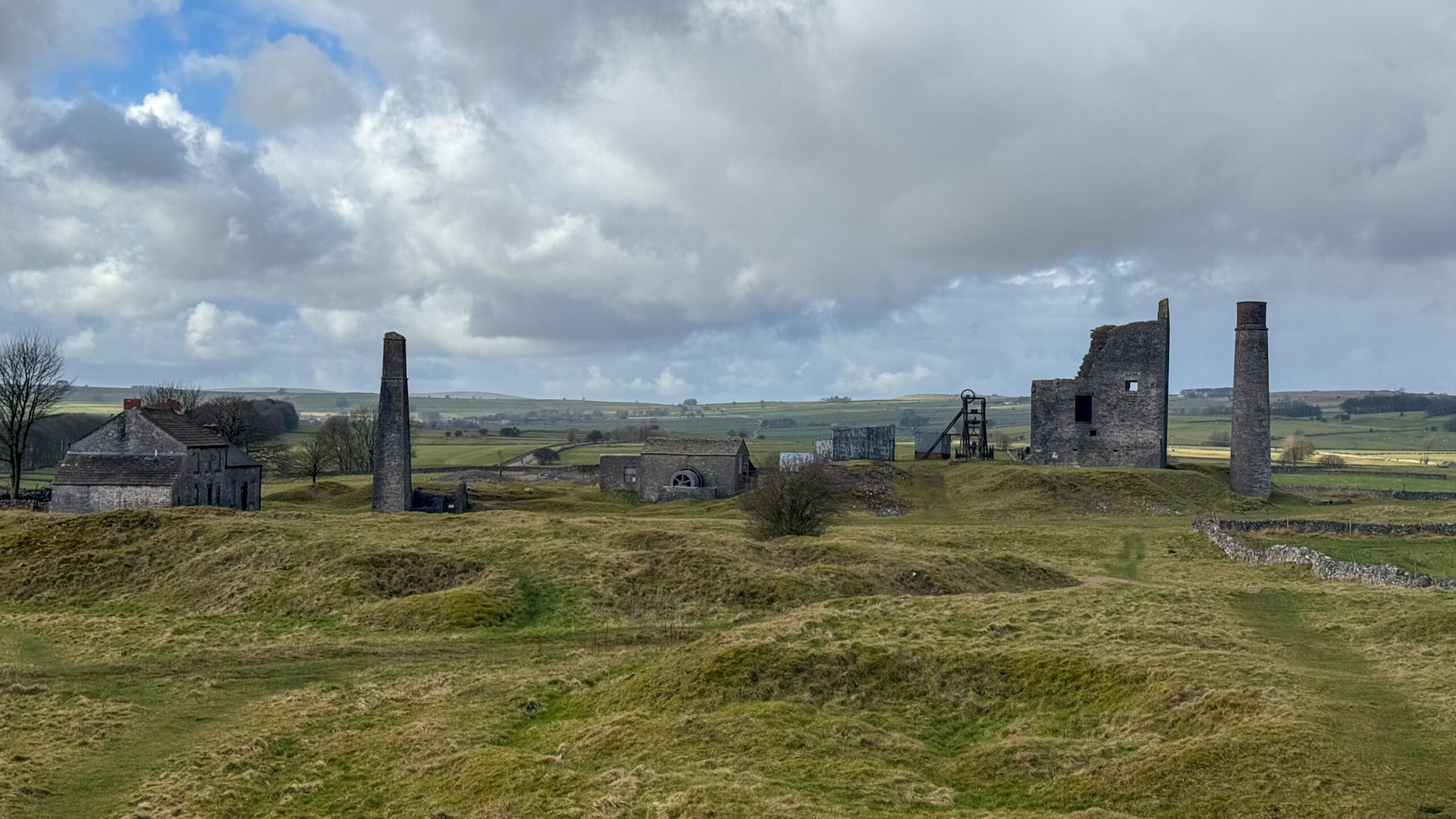
Tucked into the limestone landscape of the Peak District National Park, Magpie Mine is one of Derbyshire’s most interesting historic sites. The remains of this former lead mine sit in open countryside near Sheldon, with stone buildings, chimney stacks, capped shafts and old industrial features still visible across the site.
It is a good place to visit if you enjoy walking, local history, photography, or simply spending time in the quieter parts of the White Peak. The setting is part of the appeal. Magpie Mine does not feel separated from the landscape around it. The old mine buildings sit among dry stone walls, fields and wide views, which makes the history feel very immediate.
For van and campervan travellers exploring the Peak District, it also works well as a slower stop rather than a rushed roadside attraction. You can combine it with a walk from Sheldon, a visit to Bakewell, or a longer day out linking nearby villages and paths.
Where Is Magpie Mine and How to Get There?
Magpie Mine is near the village of Sheldon, not far from Bakewell, in Derbyshire. It sits in the White Peak area of the Peak District, surrounded by fields and limestone scenery.
If you are travelling by car or campervan, the usual approach is to head towards Bakewell first. From Bakewell, take the B5055 towards Monyash. After a few miles, follow the signs for Sheldon and continue into the village. The original route uses the small car park near the village hall as the starting point. From there, it is a short walk across the fields to reach Magpie Mine.
The walk in is part of the experience. You pass through typical Peak District countryside, with dry stone walls, grazing sheep and open views. It is not a long approach, but it is worth wearing proper footwear, especially after rain, as field paths can be muddy and uneven.
For those using public transport, buses run to Bakewell. From there, you can either use a local taxi or walk onwards through the surrounding countryside. Walking from Bakewell gives you a longer day out and a more gradual sense of the landscape, passing through fields, lanes and classic White Peak scenery before reaching Sheldon and the mine.
If you are visiting in a larger van, give yourself enough time around the smaller Peak District roads. The area is rural, and the final approach through villages and lanes may feel slower than it looks on a map.
What to See at Magpie Mine
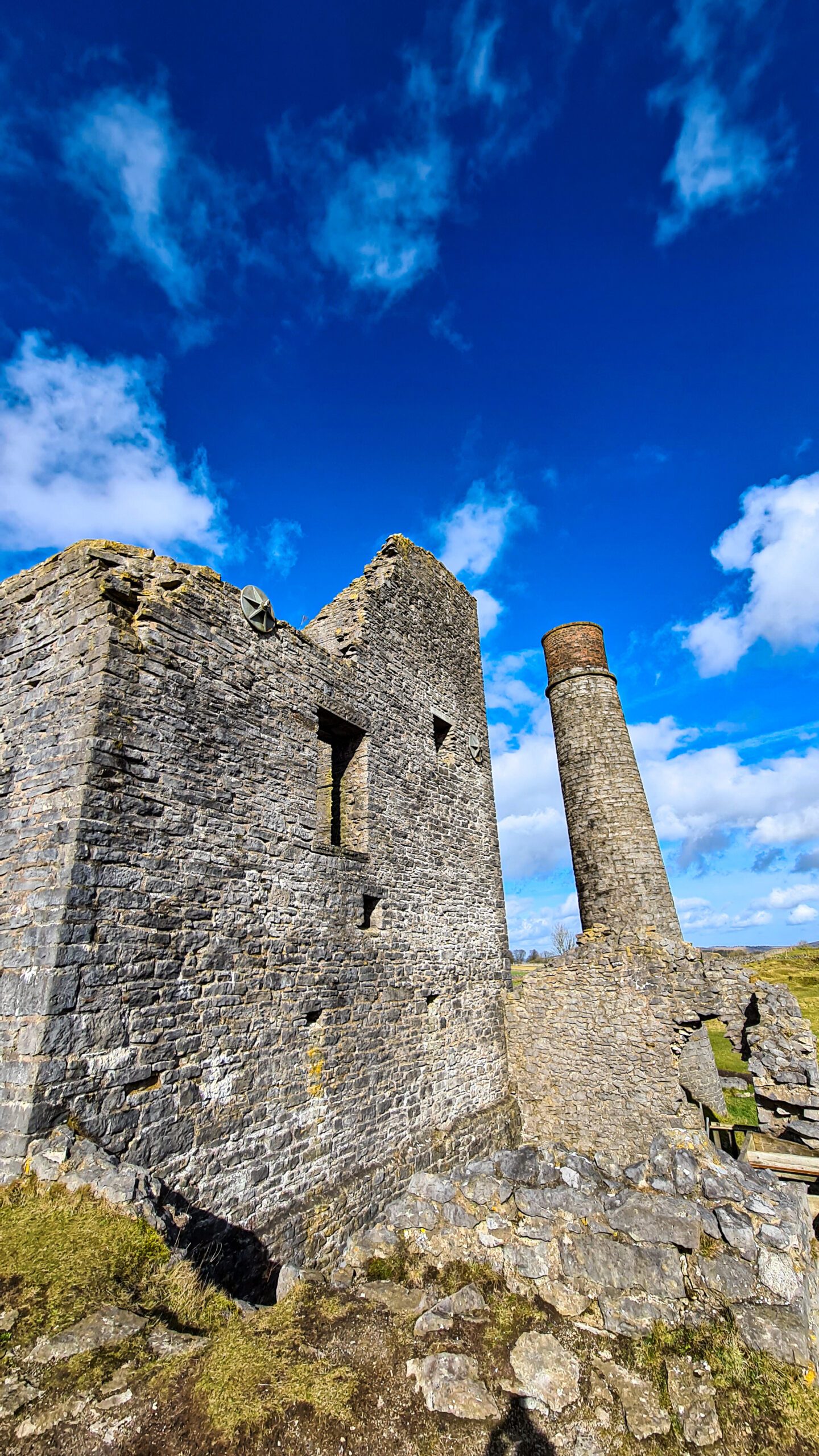
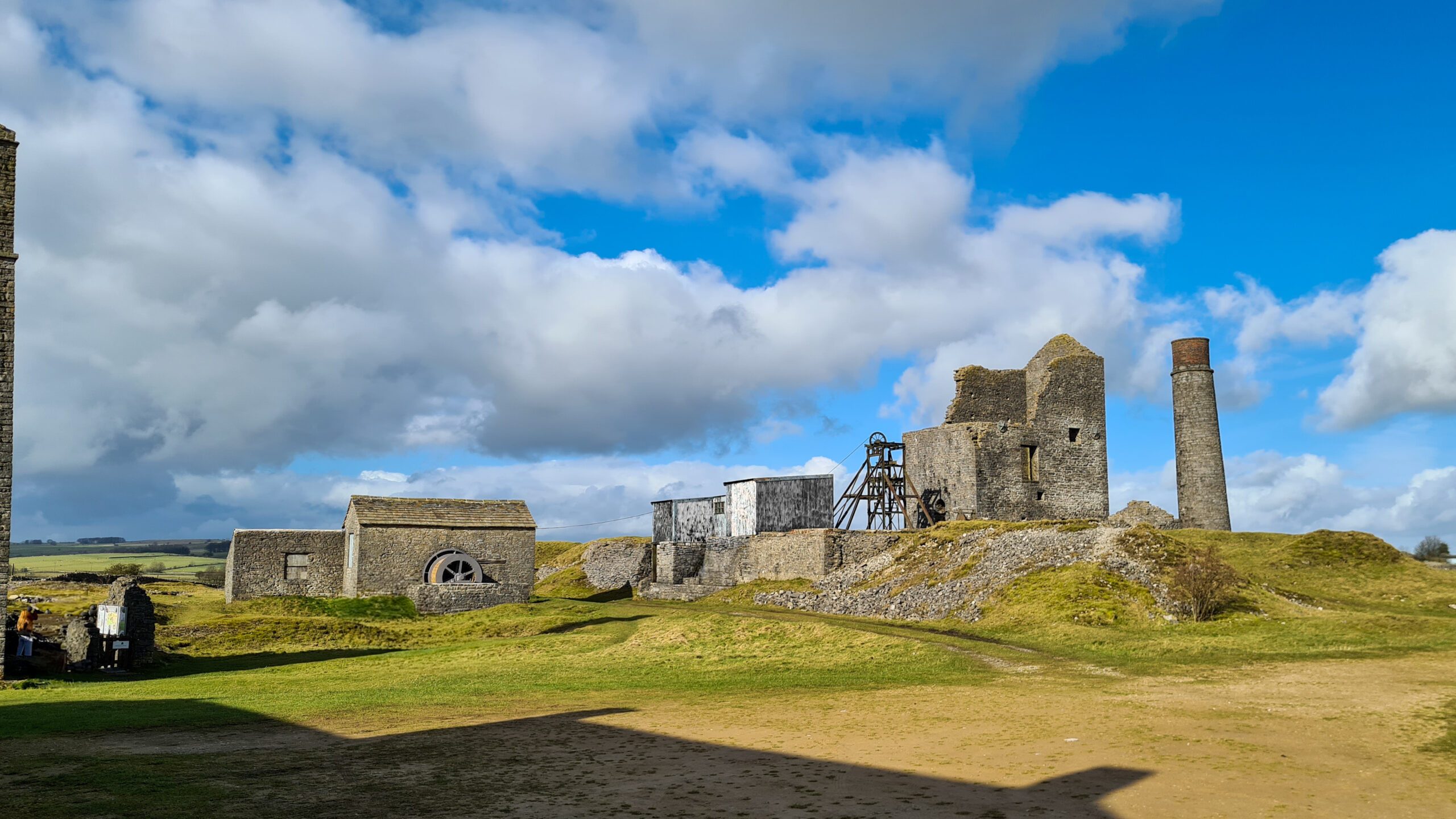
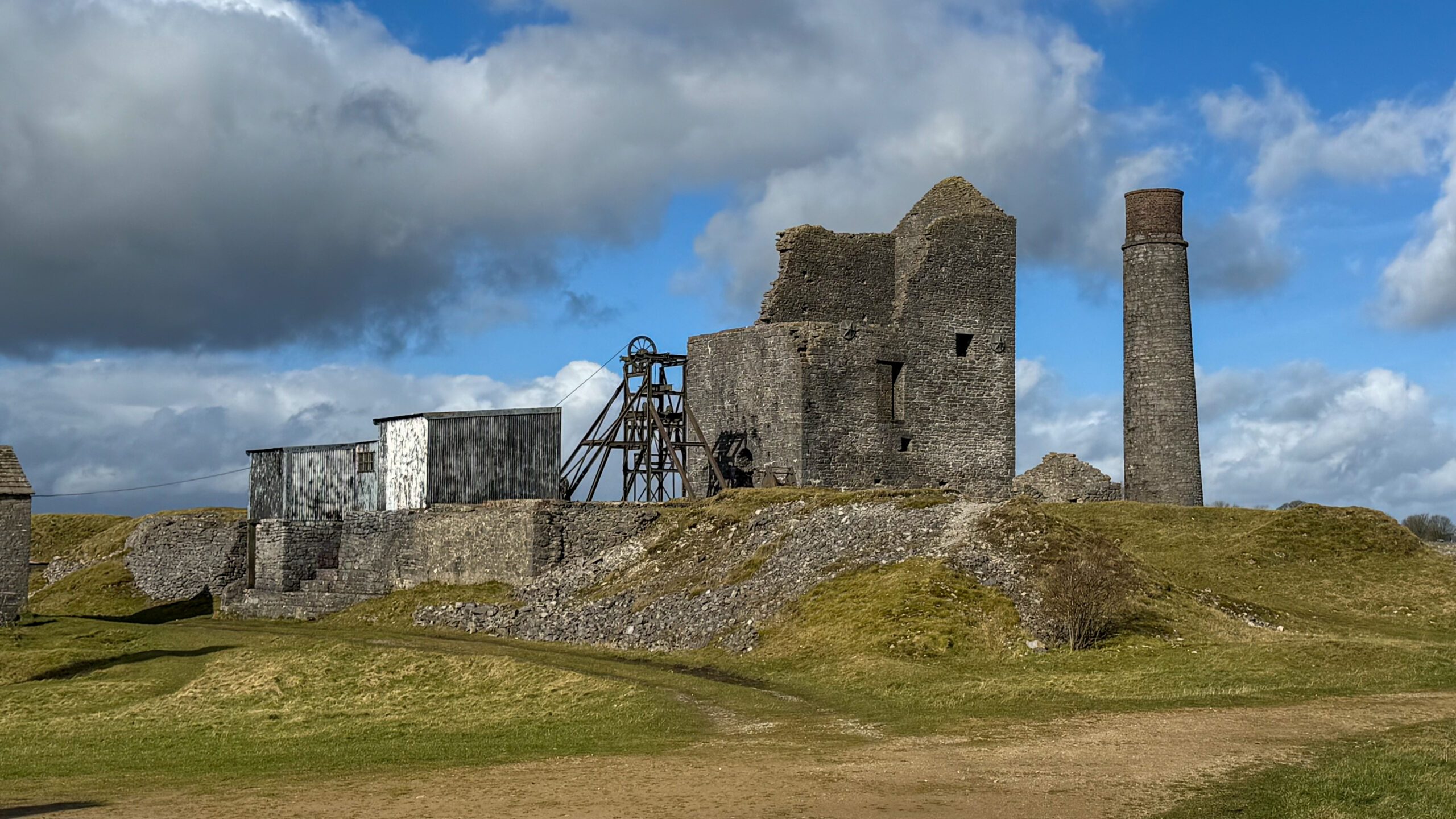
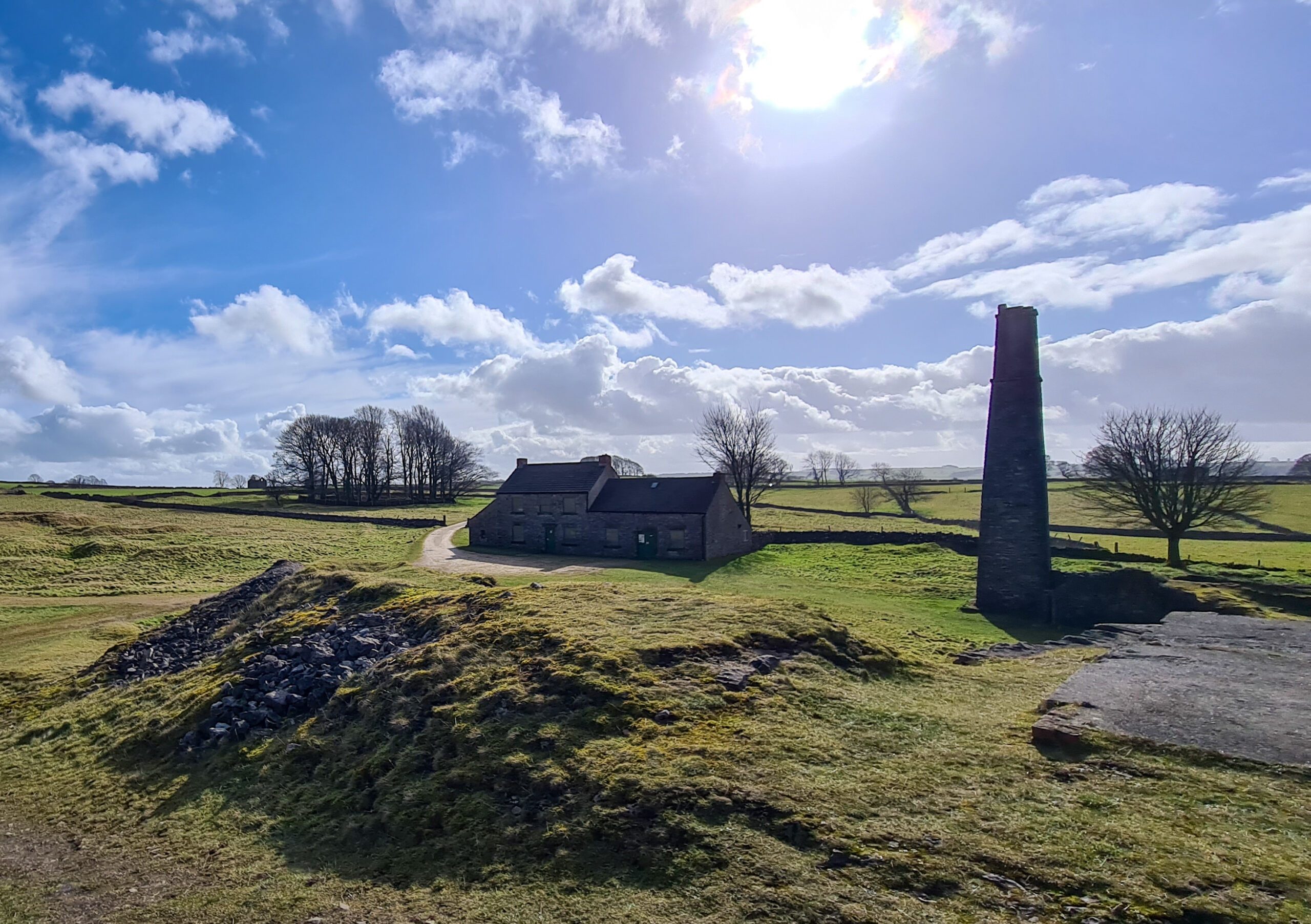
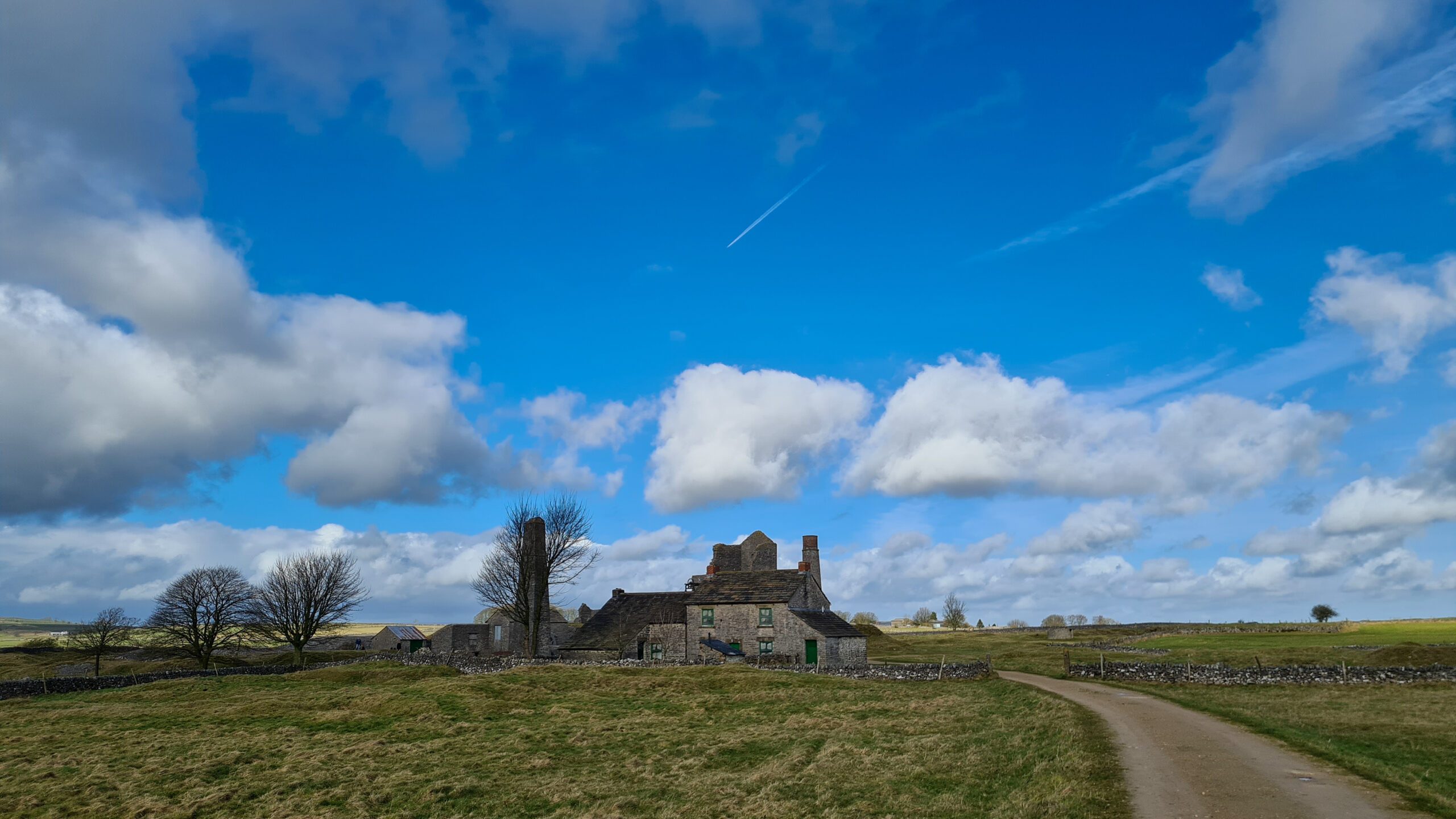
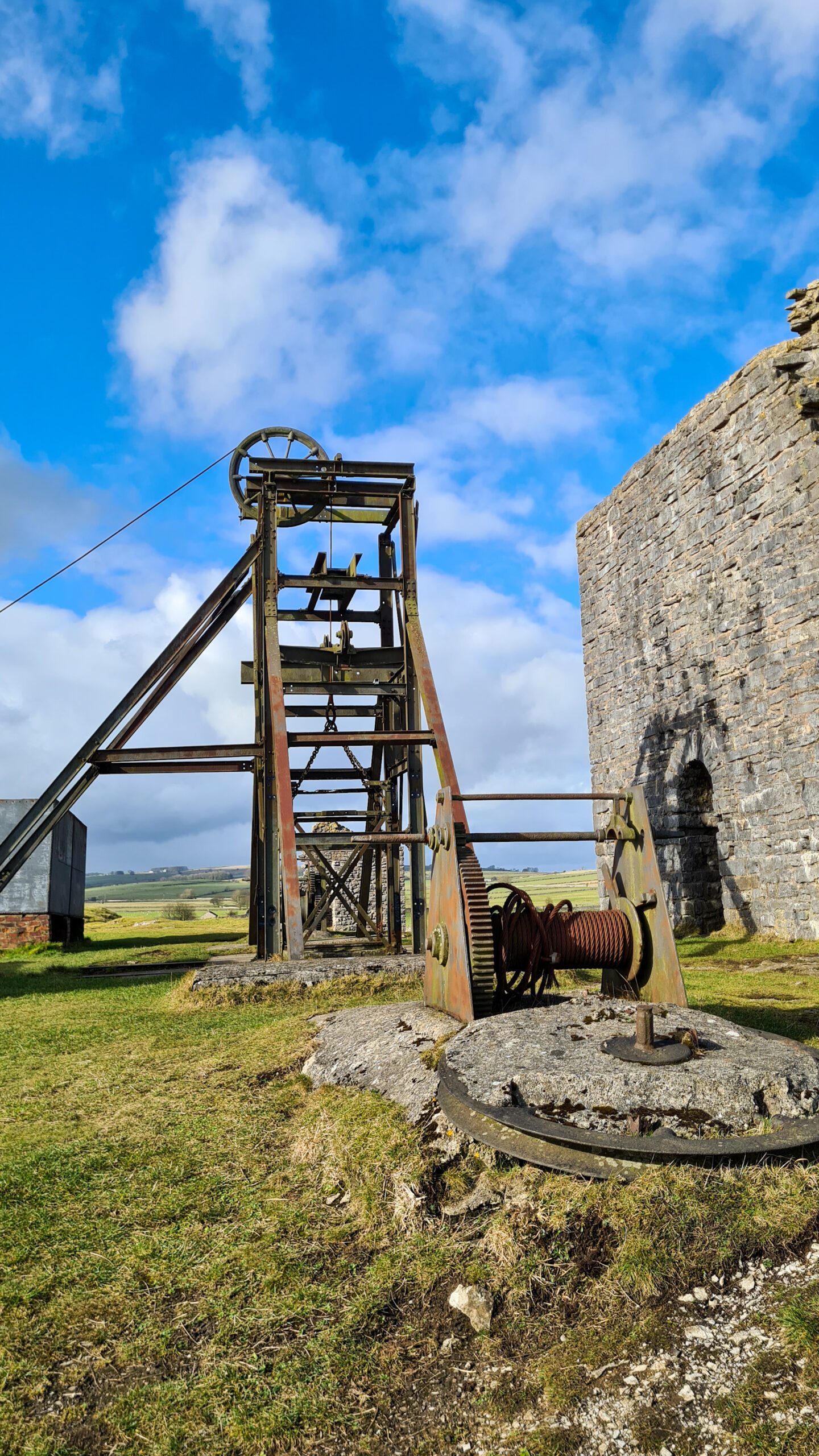
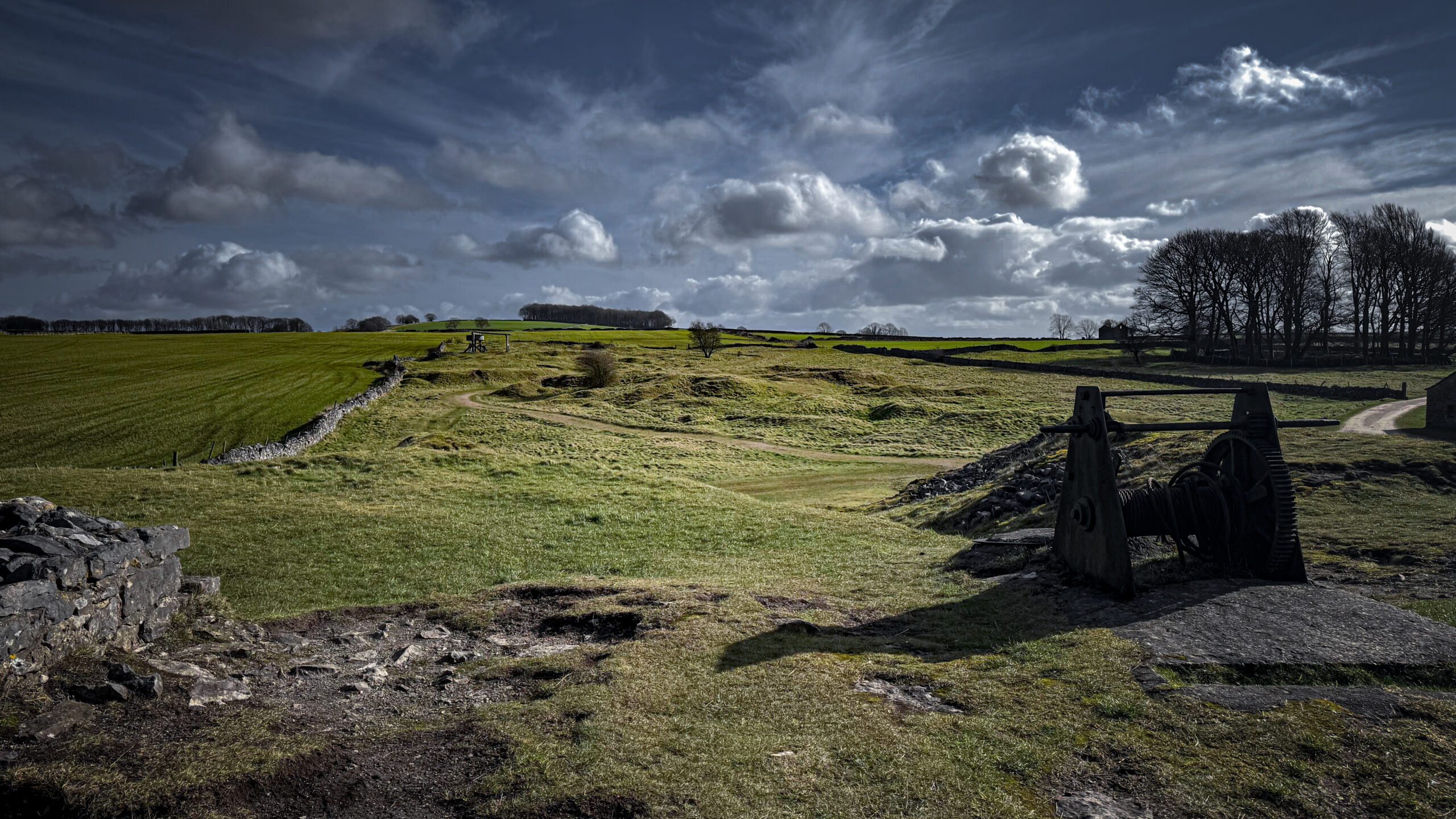
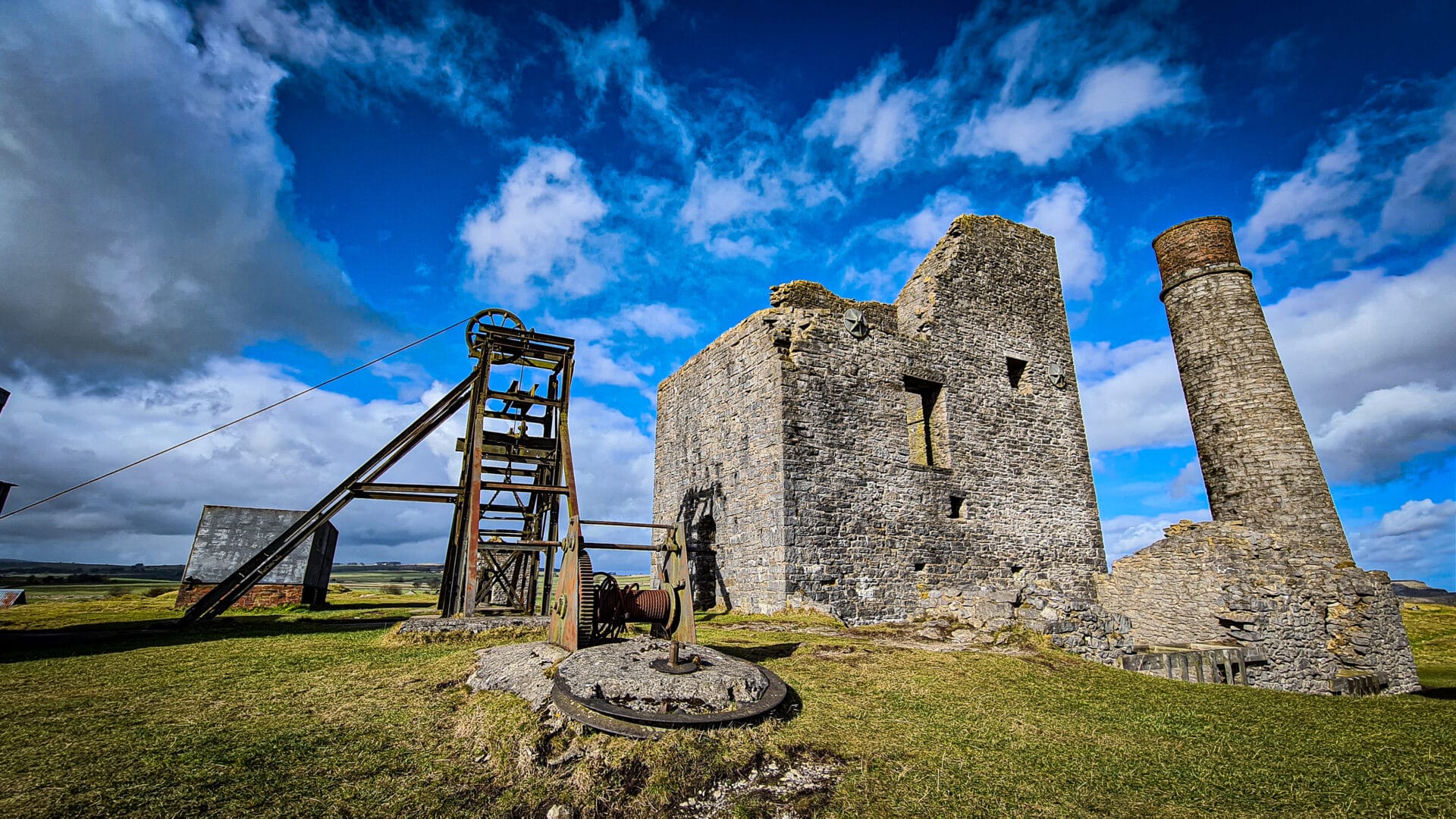
On arrival, the first thing you notice is the way the mine sits in the open landscape. The ruins are not tucked away in woodland or hidden behind modern buildings. They stand exposed against the sky, which gives the site much of its character.
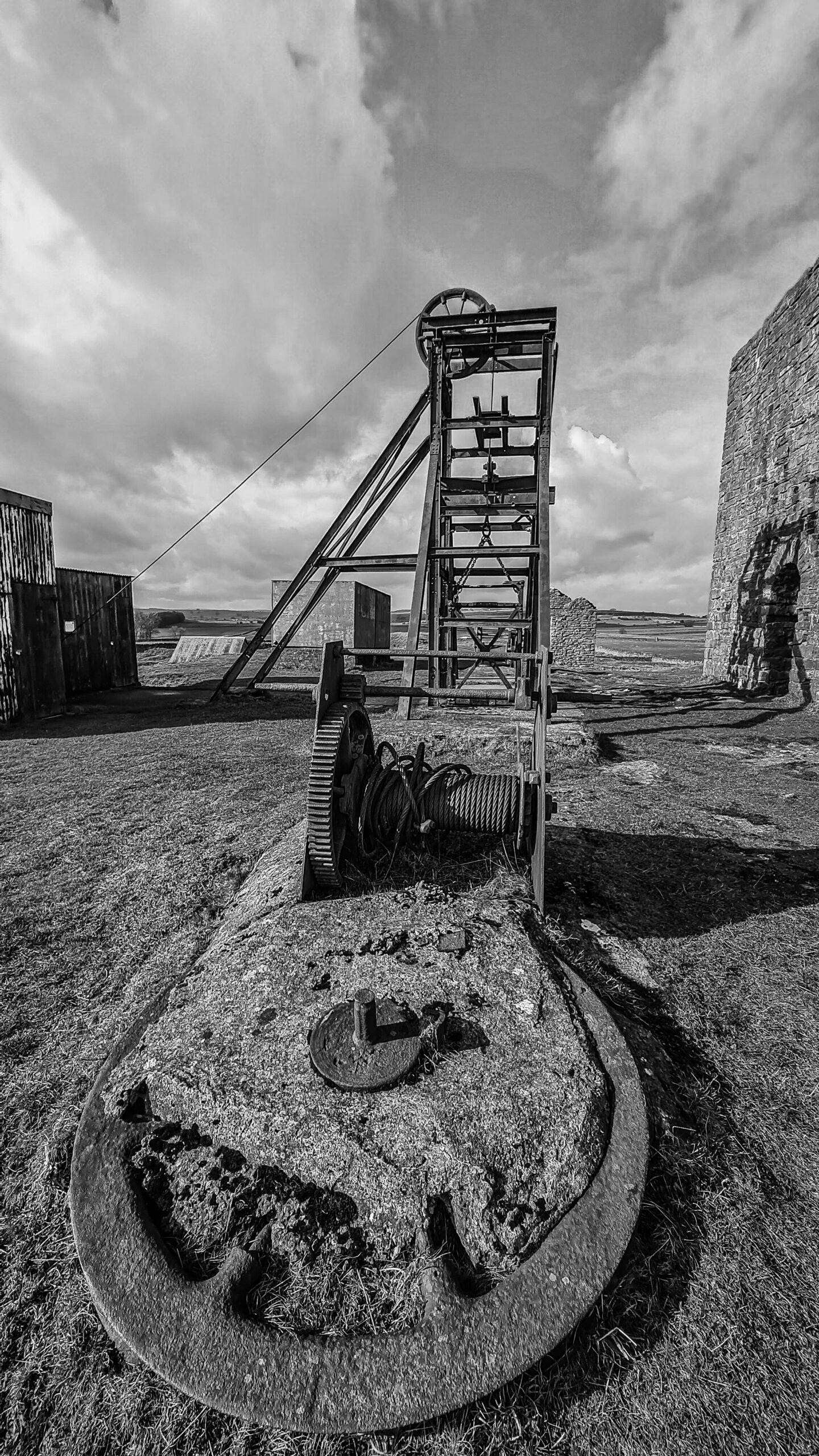
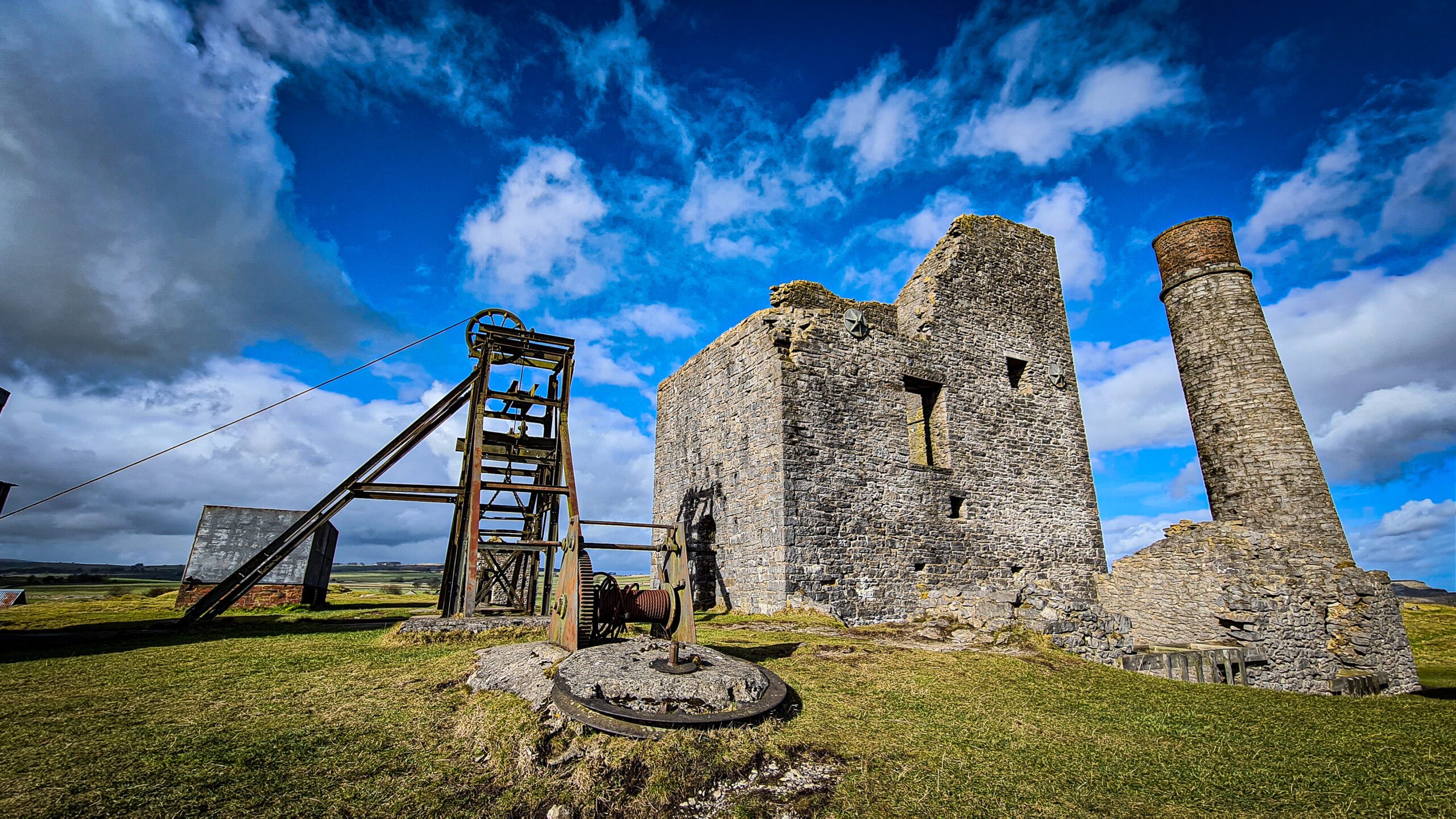
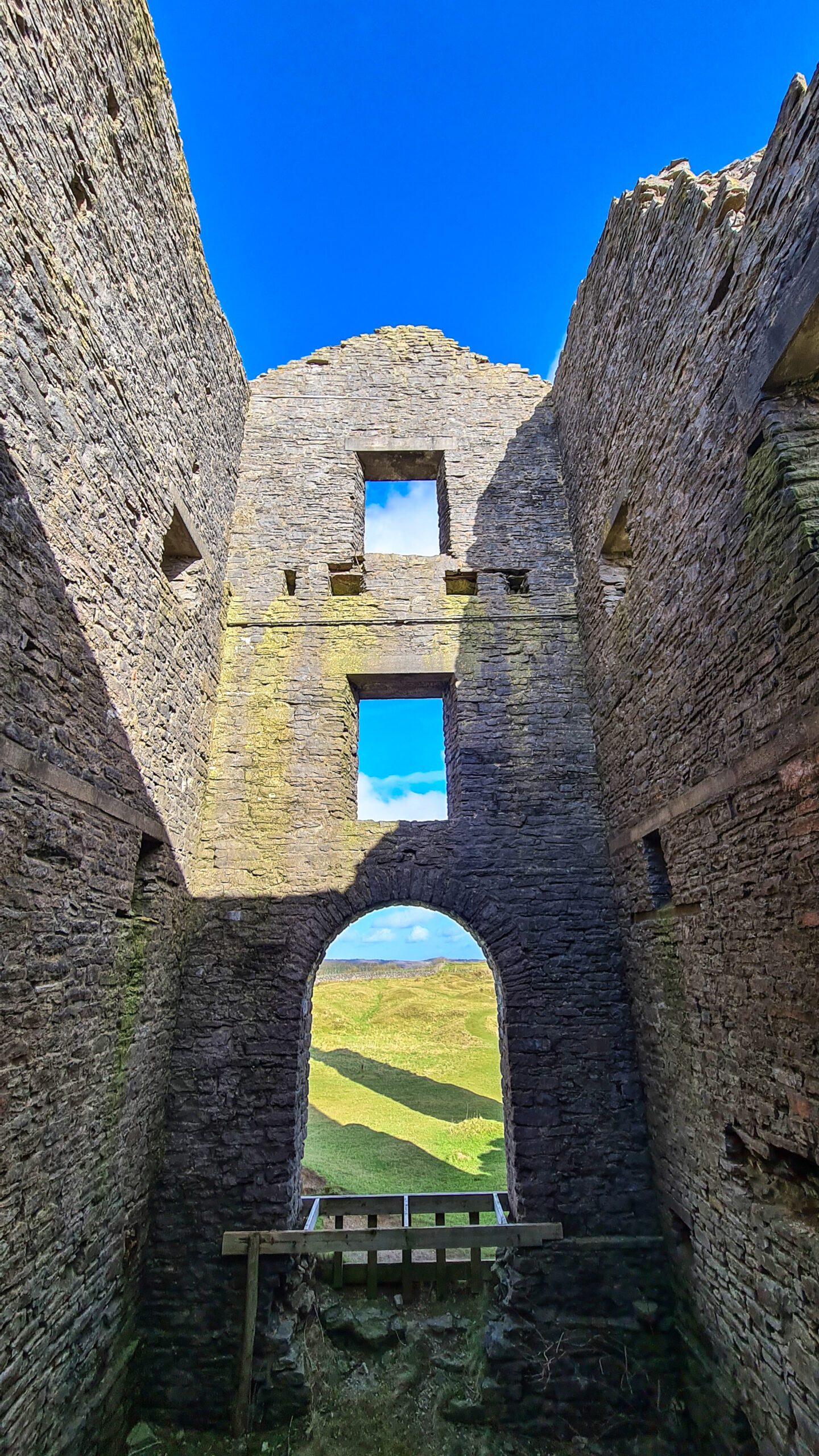
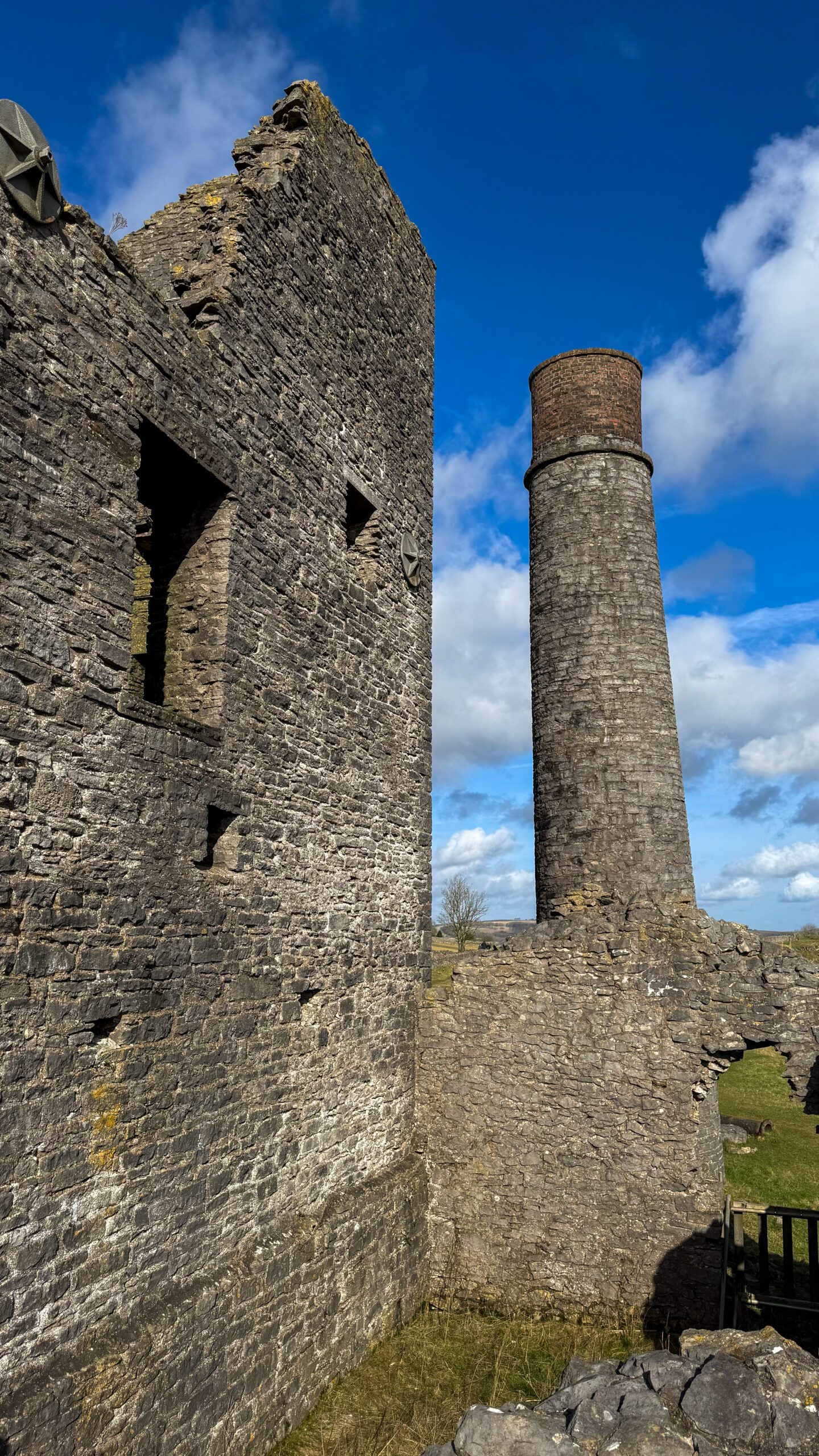
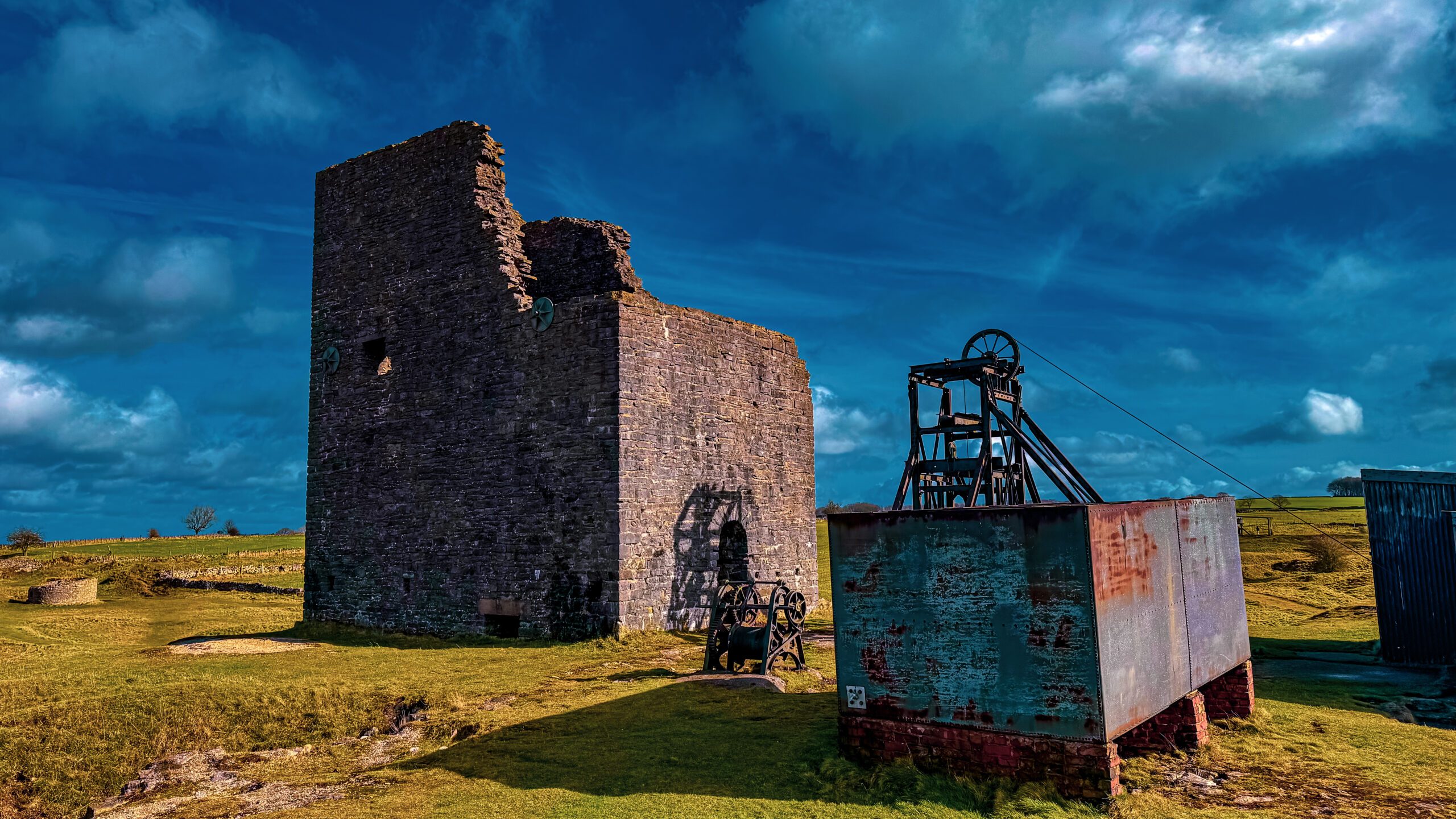
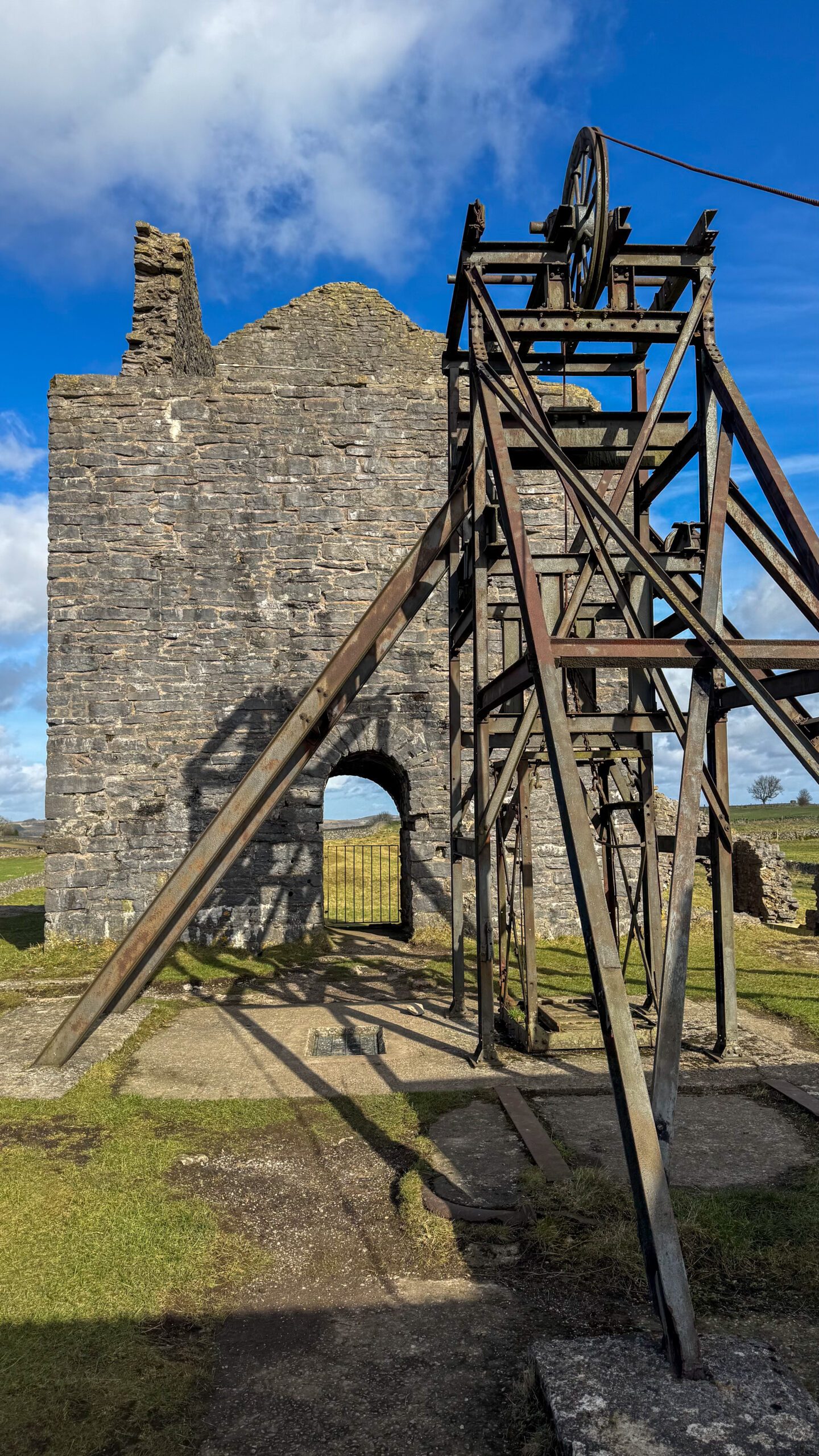
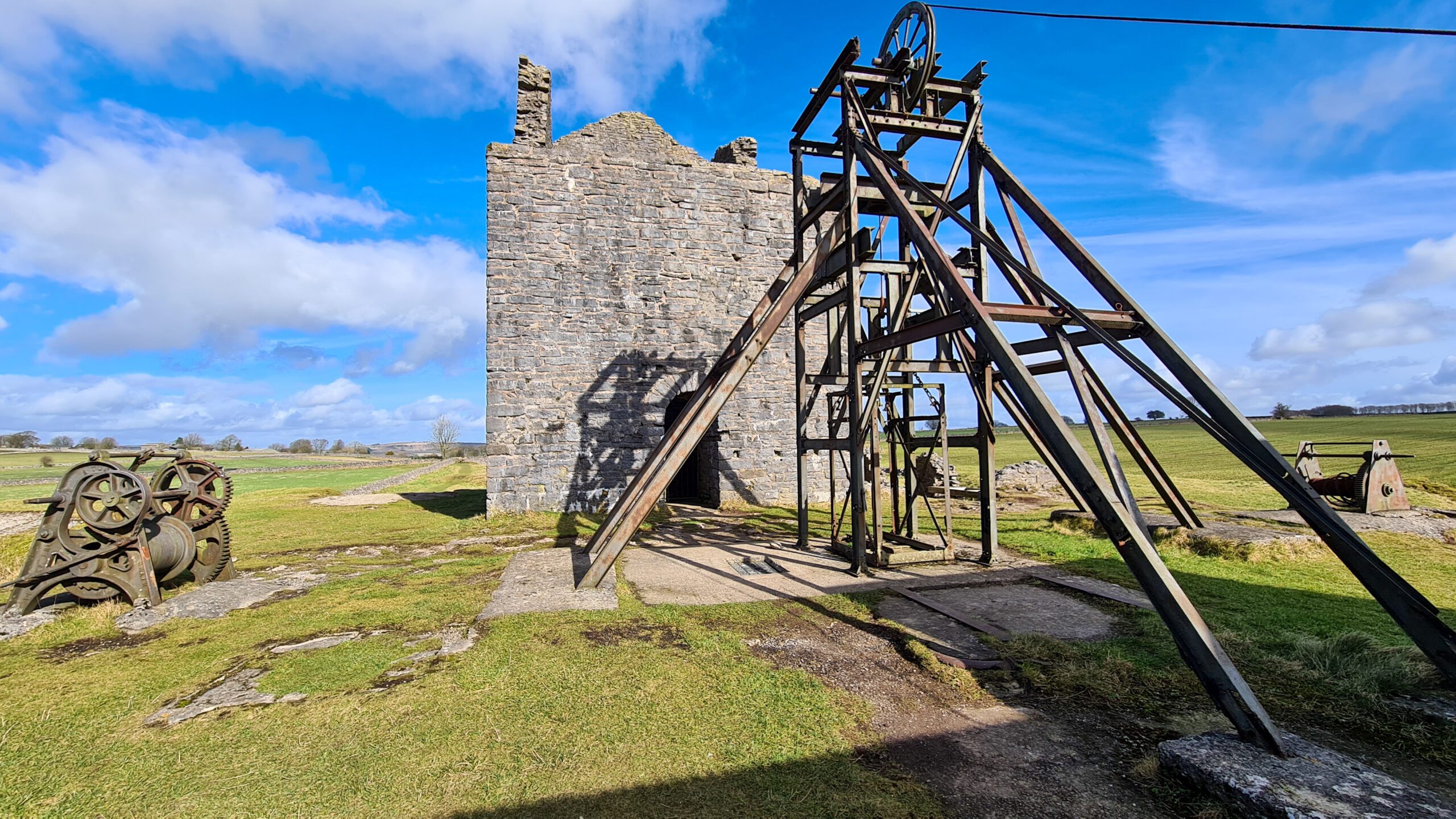
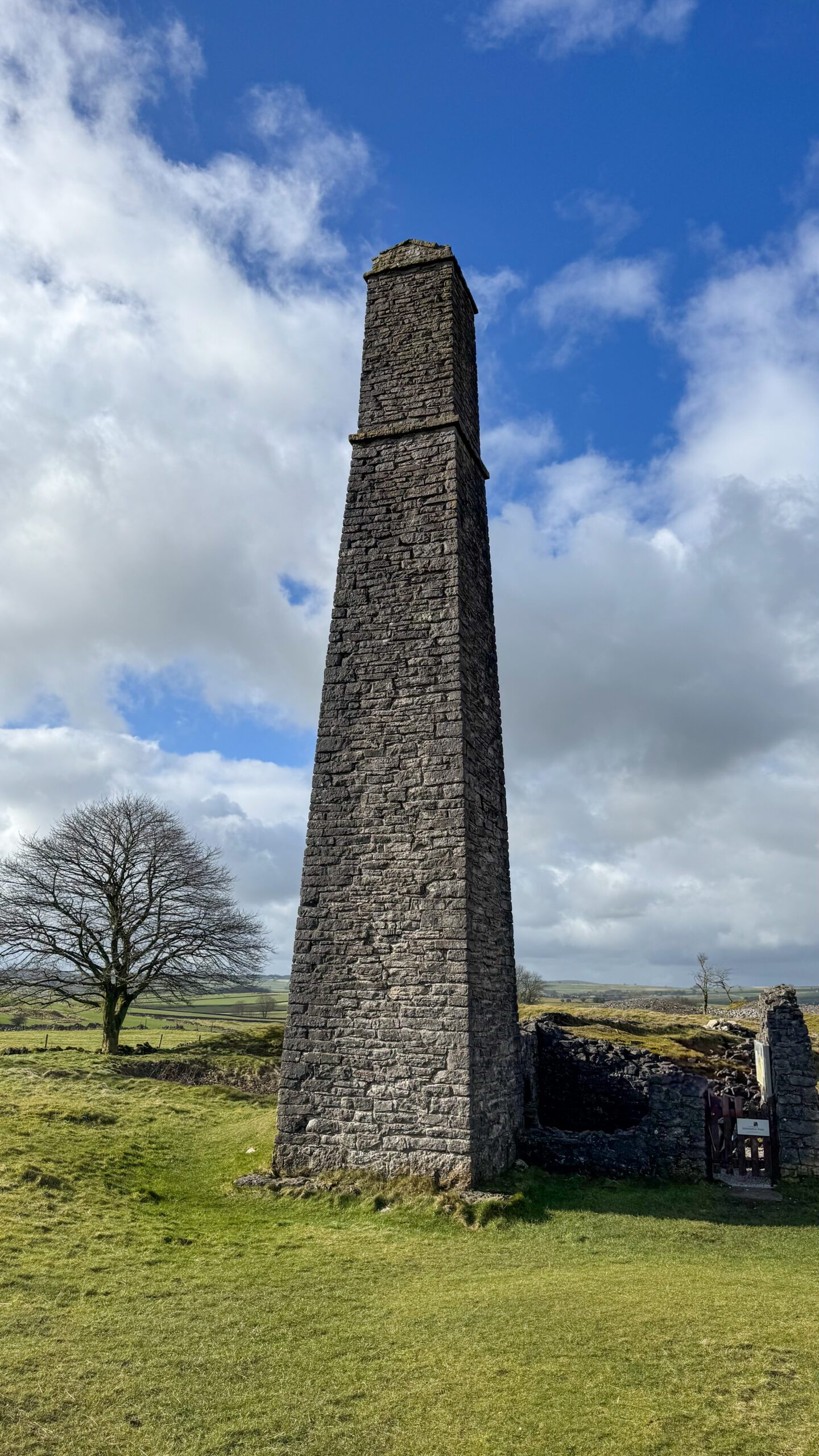
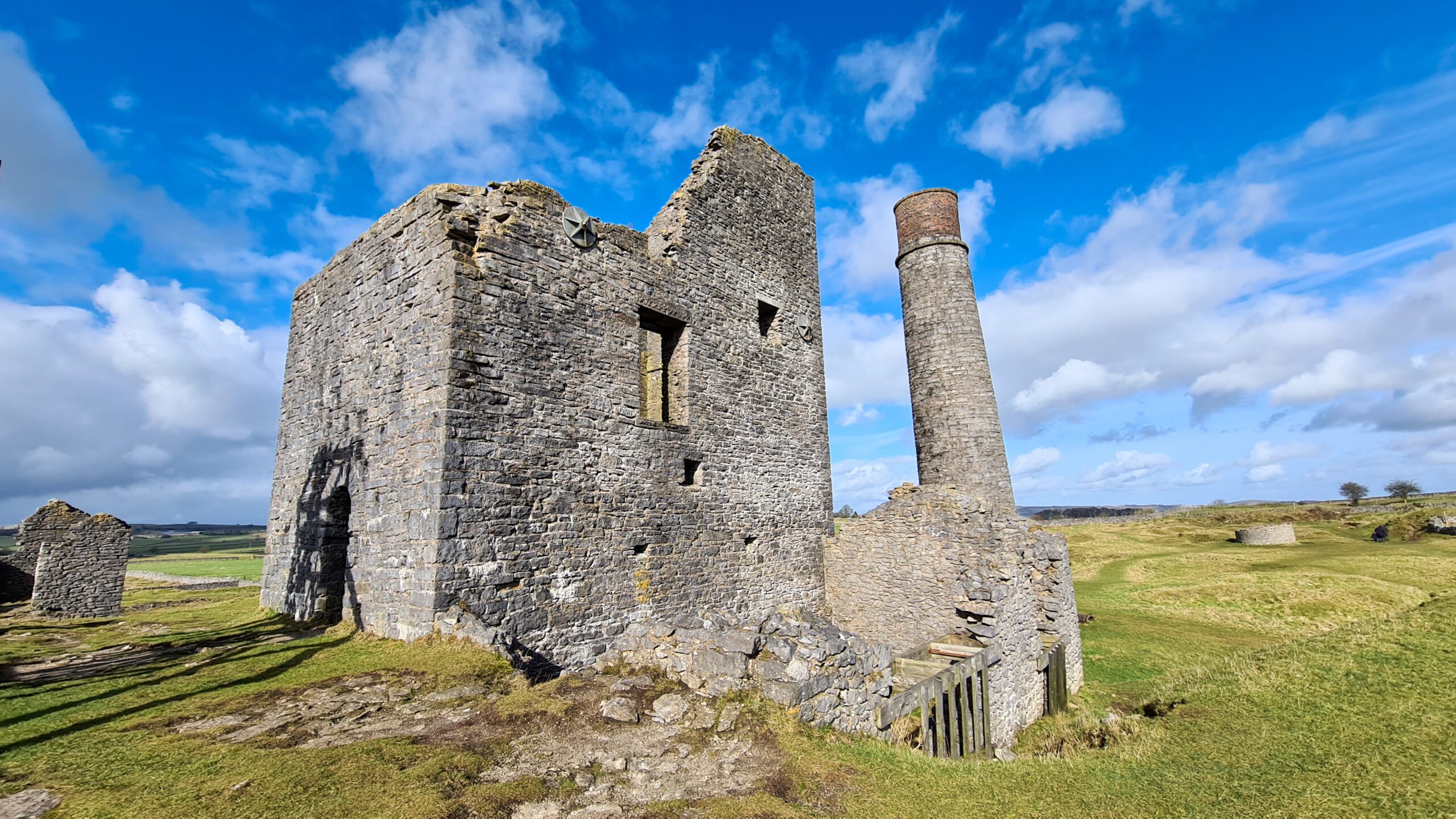
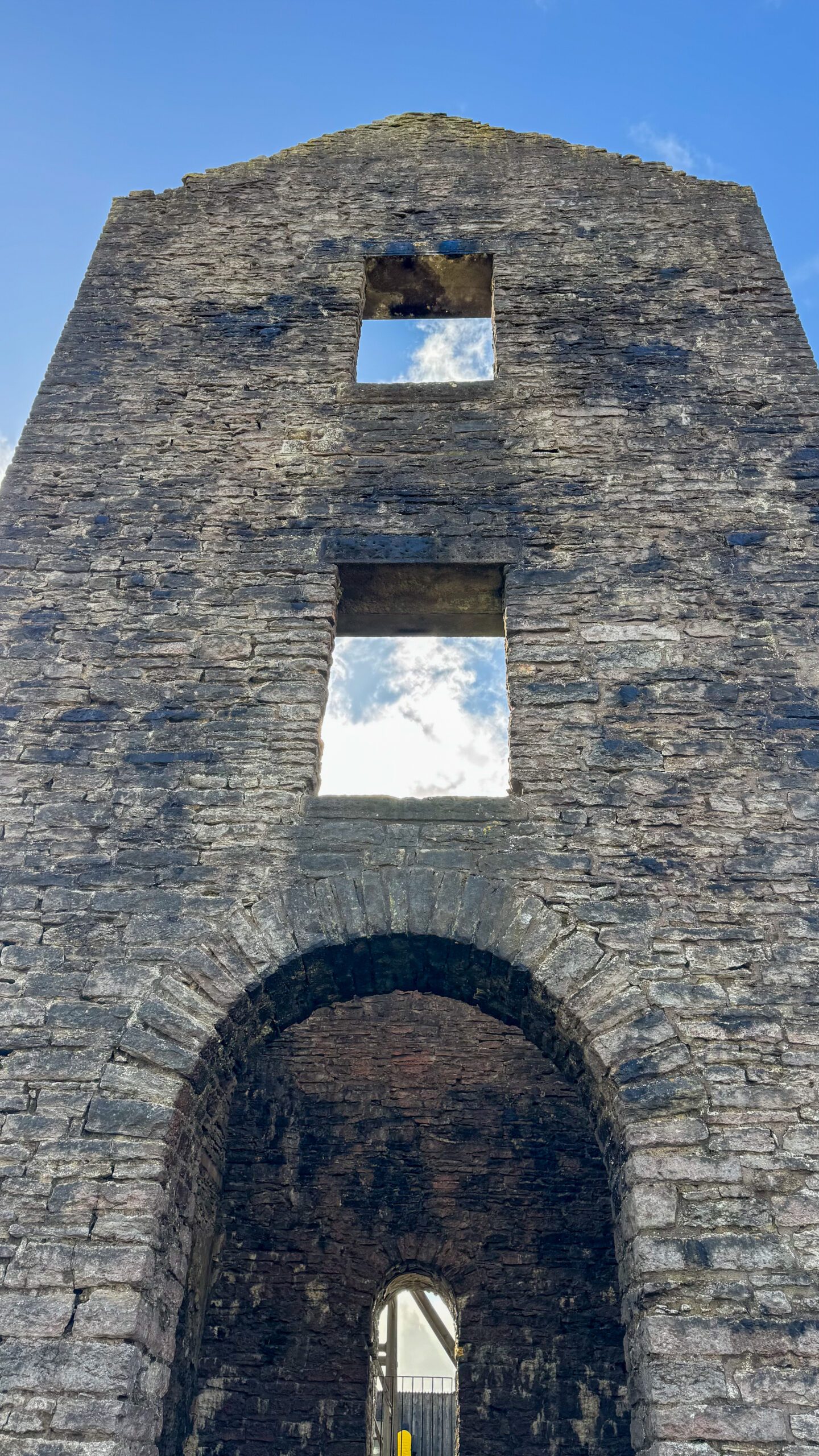
The main engine house is the most recognisable feature, with its rugged stone walls and tall chimney giving a clear sense of the mine’s industrial past. These remains help you picture the scale of the work that once took place here, even though the site is now quiet and largely open to the elements.
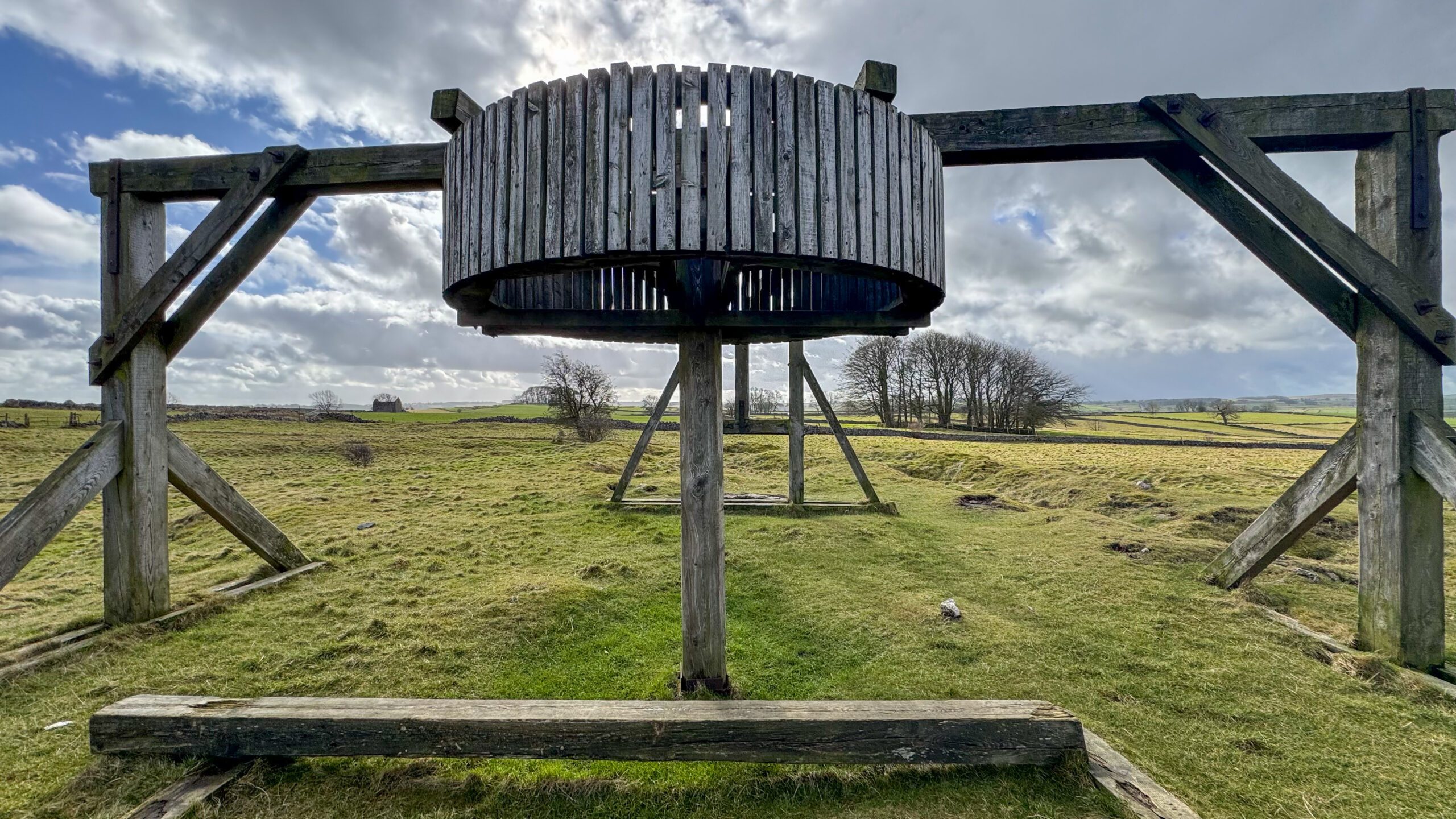
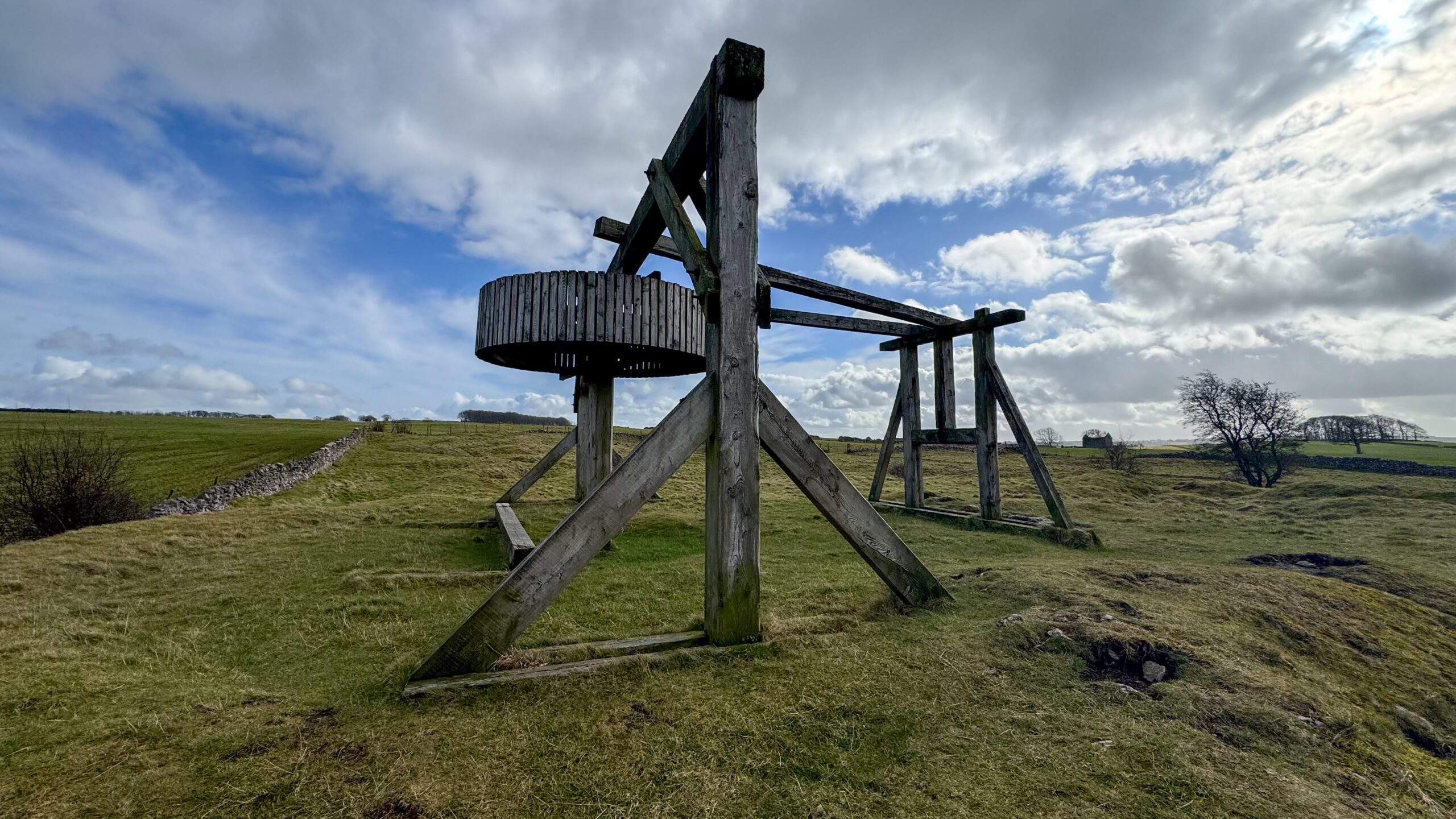
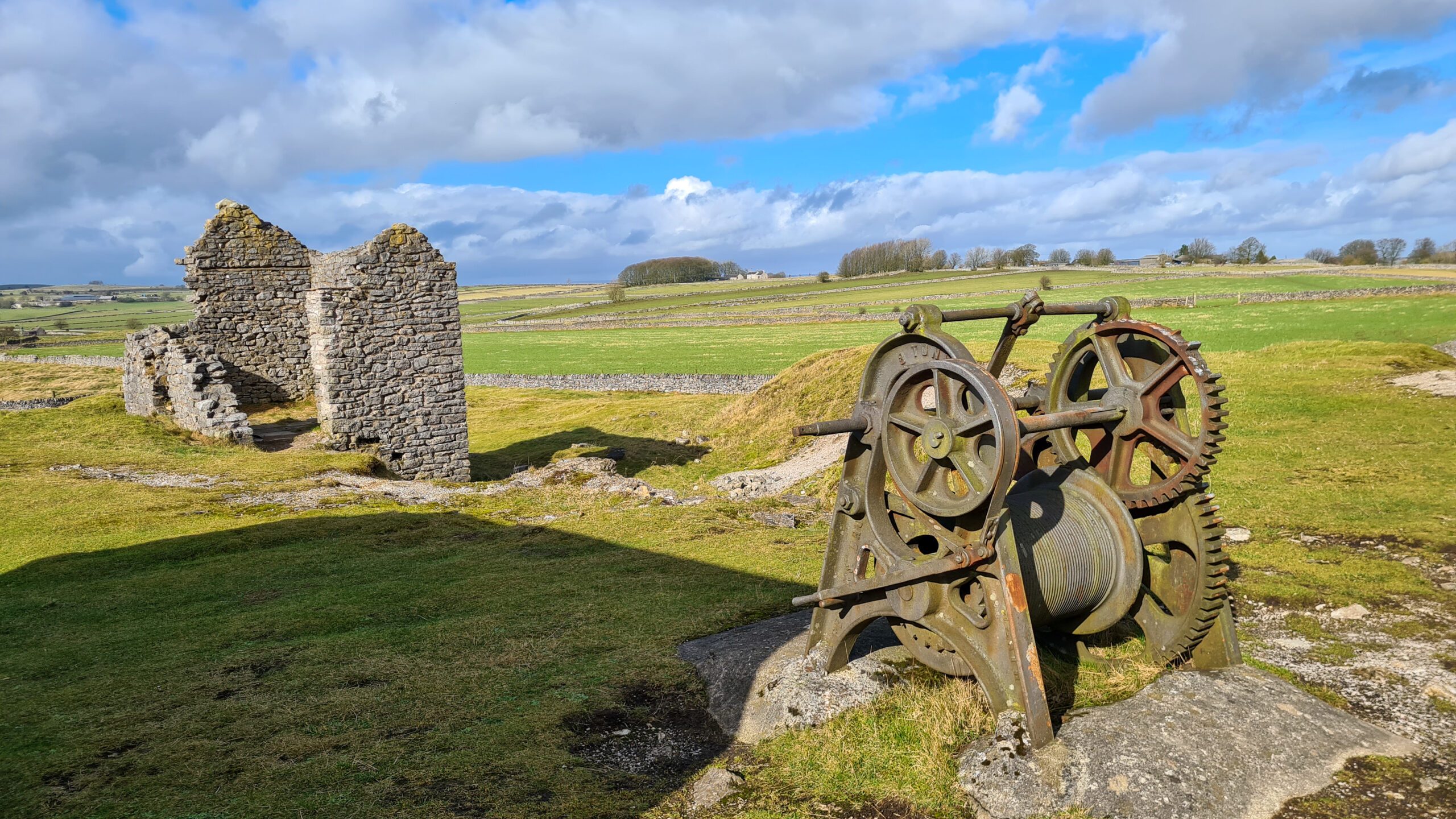
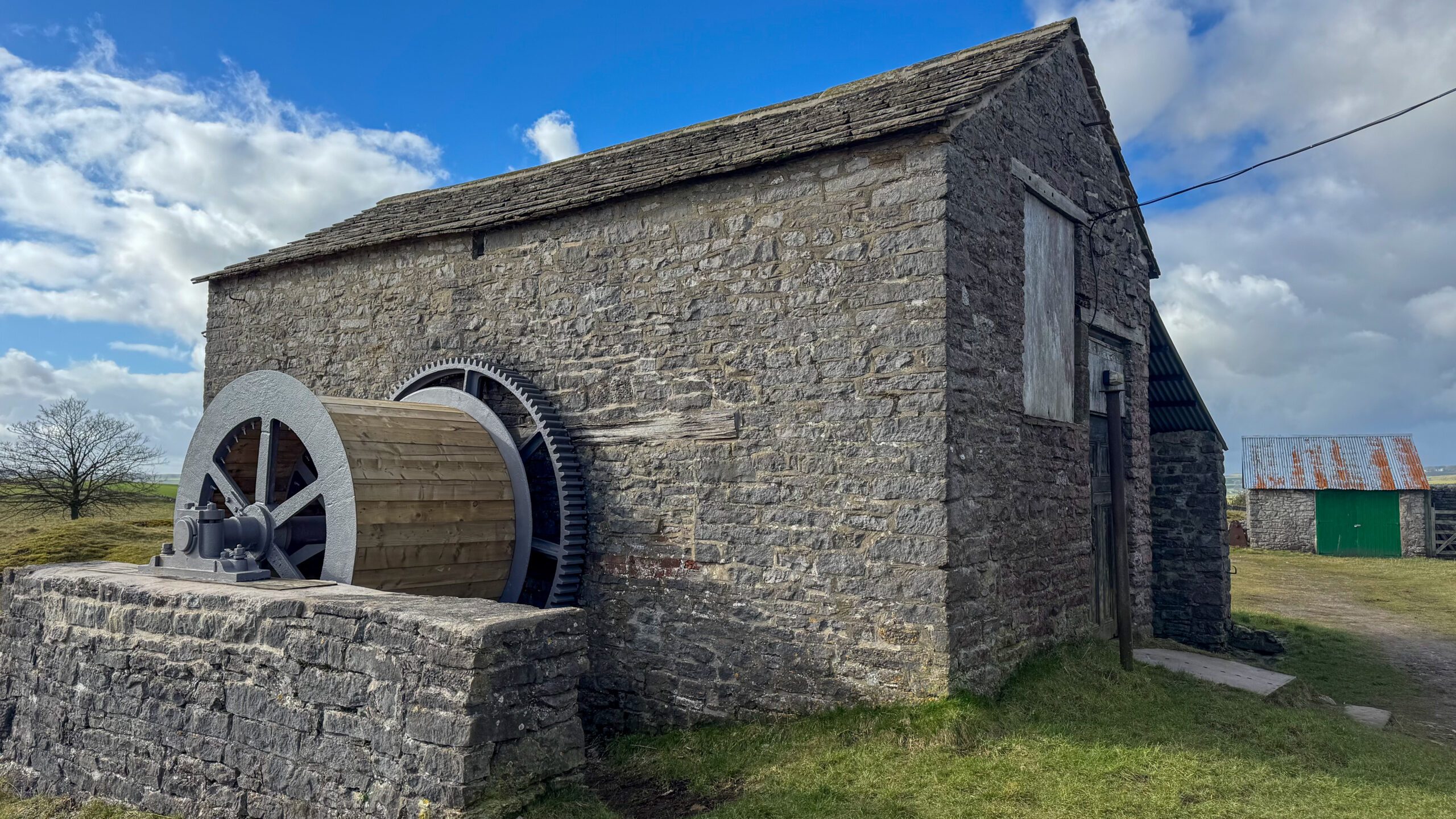
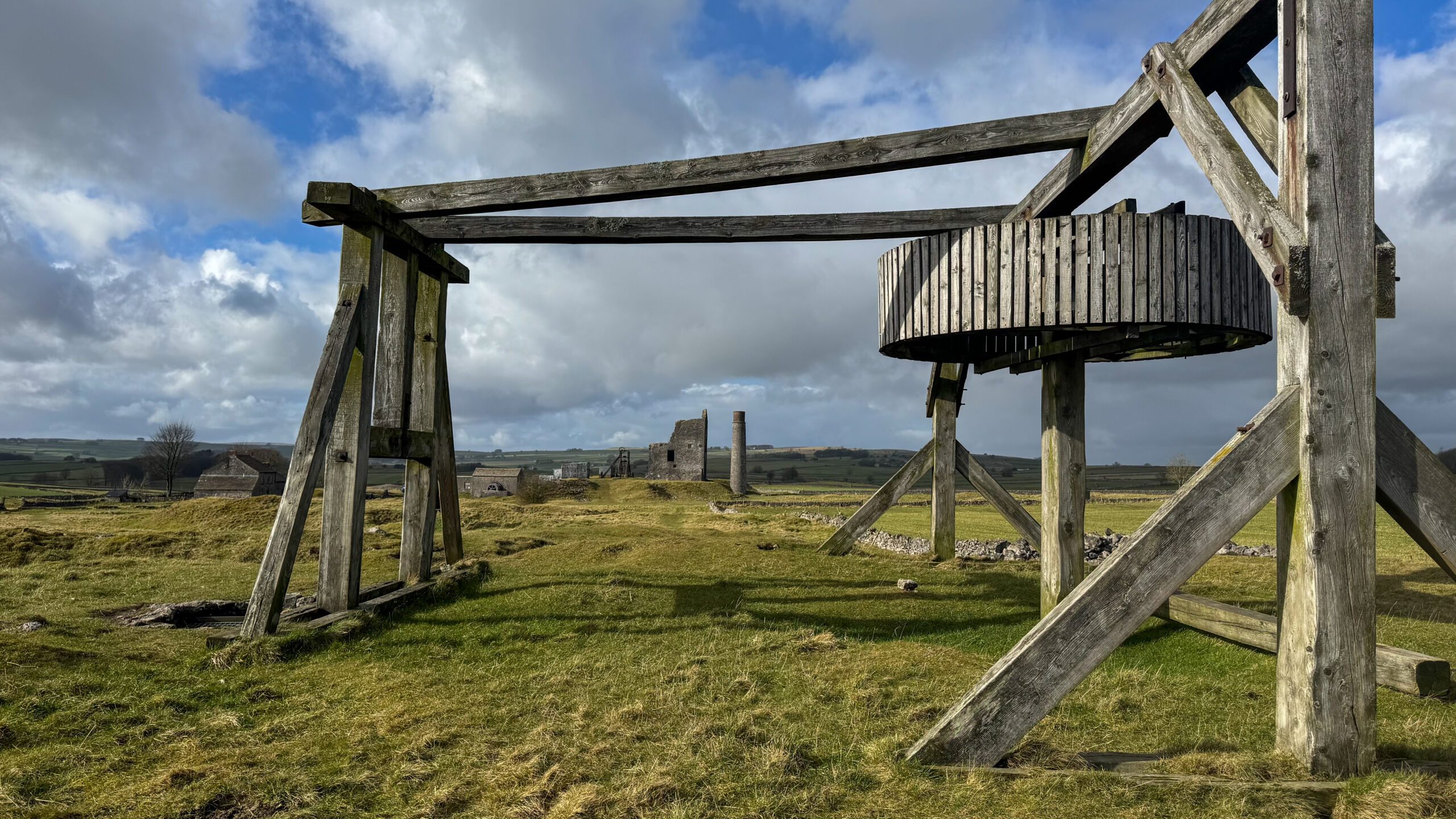
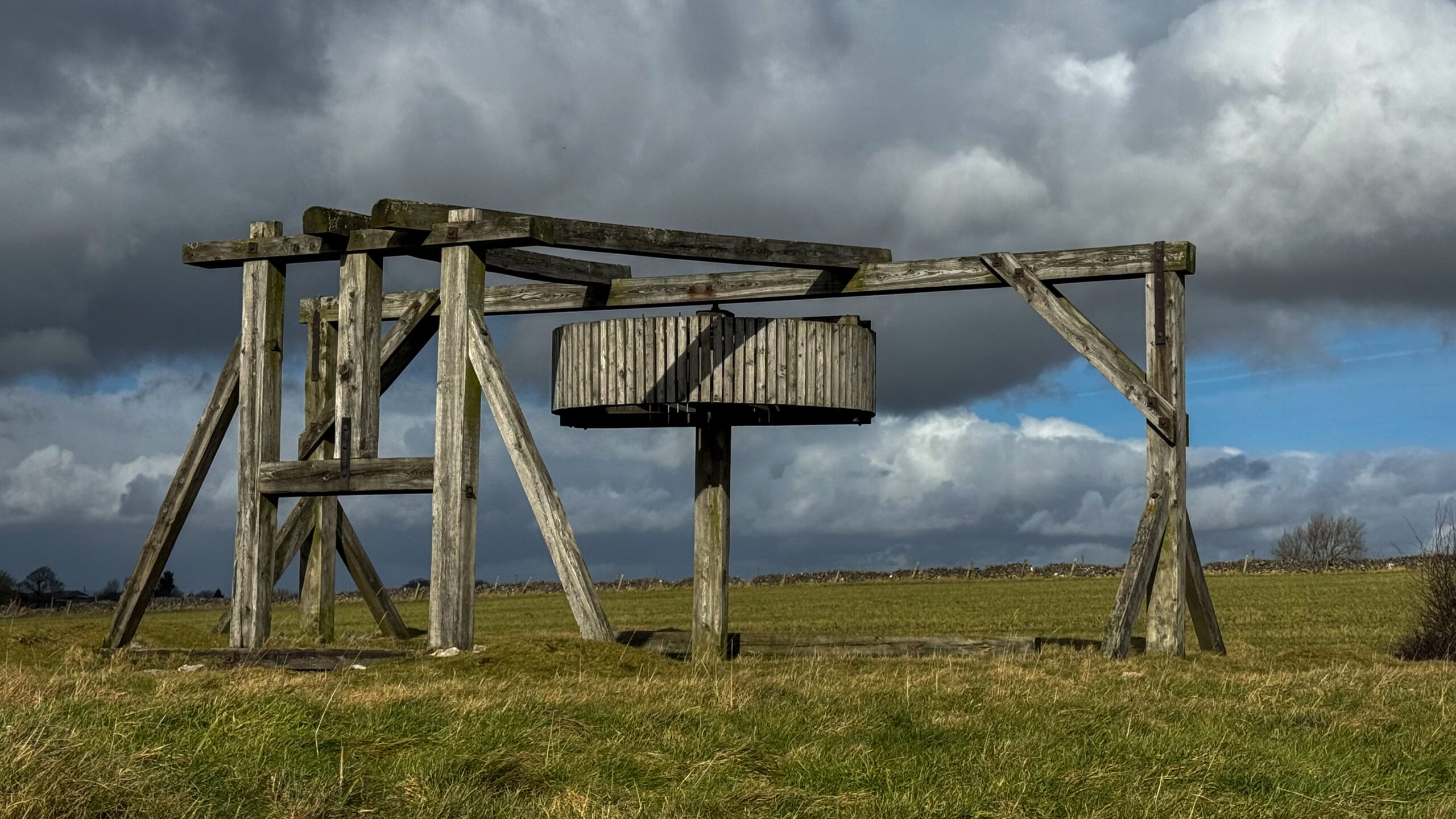
You can also see the old circular horse gin, where horses once helped haul ore from underground. It is one of the details that makes the site easier to understand in practical terms. This was not just a collection of buildings. It was a working industrial place, built around labour, machinery, animals, shafts and people moving constantly between the surface and the mine below.
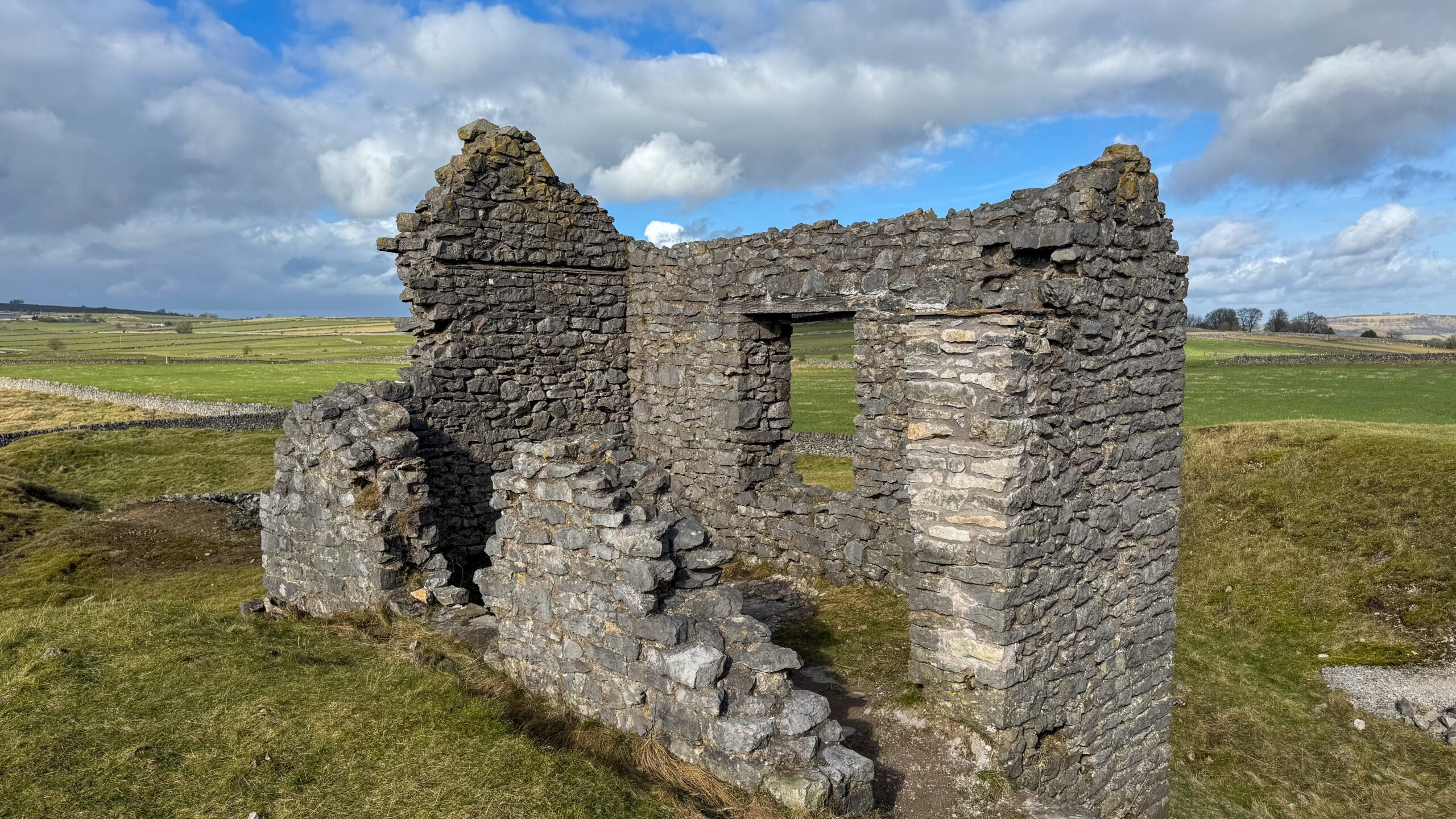
As you wander through the site, you can trace the outlines of former buildings, look at capped mineshafts and follow the layout of the old industrial complex. Information boards provide useful context and help explain what you are looking at. Without them, some of the remains would be easy to pass by without understanding their purpose.
One of the most striking features is the “coffin level” entrance, a low passageway used by miners to access deeper workings. Its narrow shape gives a sobering impression of the conditions miners faced underground. The remains of the powder house, where explosive materials were once stored, add another layer to the story of the site and the risks involved in lead mining.
Magpie Mine has been abandoned for many years, but it does not feel empty. The ruins hold enough detail for visitors to imagine the noise, effort and danger of the work that took place here. At the same time, the surrounding fields have softened the edges of the site, making it a place where industrial history and countryside now sit side by side.
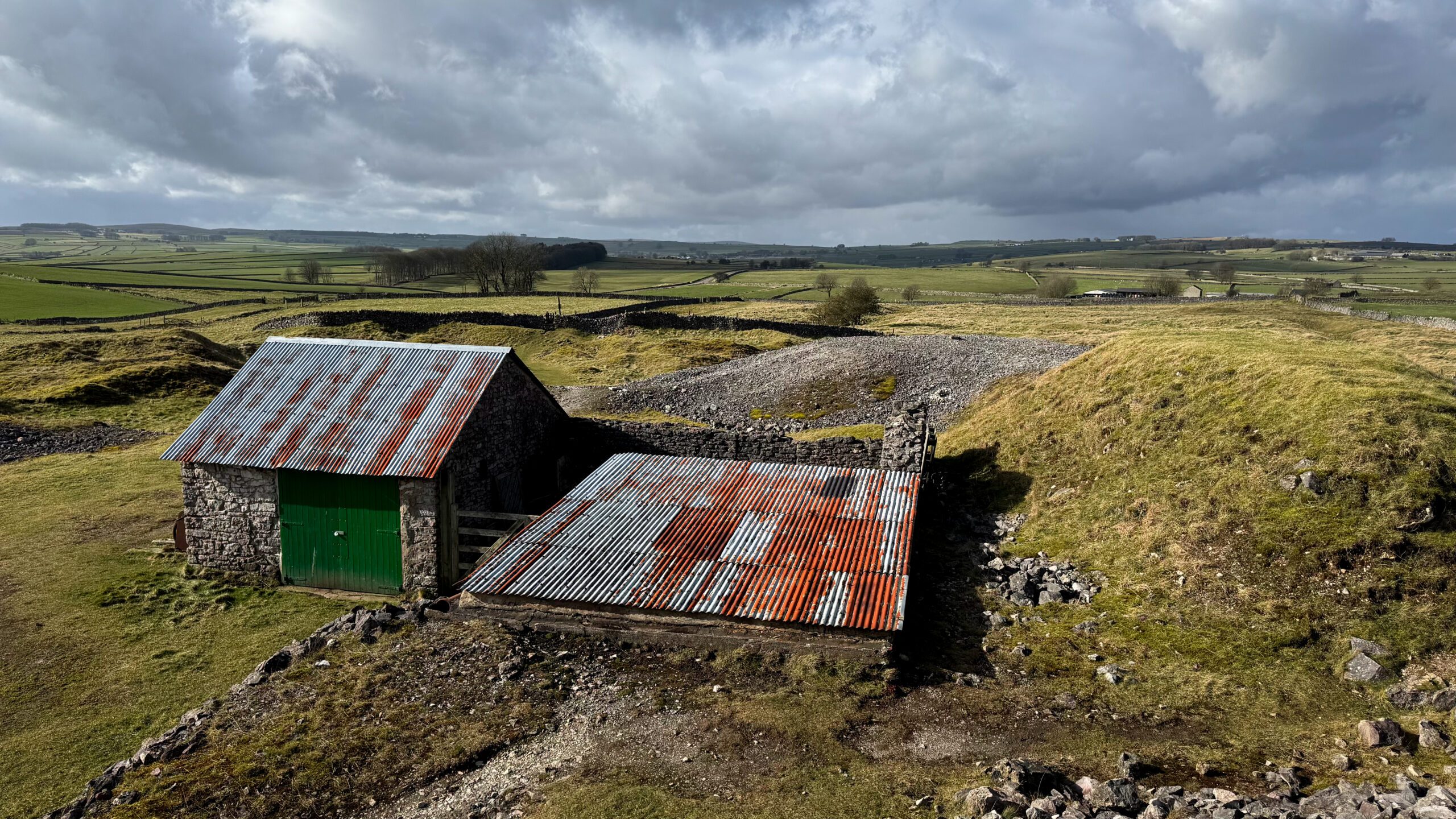
On a clear day, the views across the White Peak are a major part of the visit. It is a good place to pause, take photographs and get a sense of how the mine fits into the wider landscape. You do not need to rush it. Even a short visit feels more rewarding if you allow time to walk around slowly and read the information boards.
Local Landmarks Worth Visiting
Magpie Mine is easy to combine with other nearby places, especially if you are making a full day of it in the van.
The closest village is Sheldon, a small Derbyshire village with stone cottages, a quiet atmosphere and a traditional pub, The Cock and Pullet. It is a useful stop after visiting the mine, especially if you want food or a drink before continuing your route. Sheldon also has St Michael and All Angels Church, a 19th-century church that adds to the historic feel of the village.
Bakewell is only a short drive away and is one of the main towns in this part of the Peak District. It is well known for Bakewell pudding, but it is also useful from a traveller’s point of view because it has shops, cafés and riverside walks. All Saints’ Church and the old five-arched bridge over the River Wye are both worth including if you have time.
Chatsworth House is another nearby option. Often referred to as the “Palace of the Peak”, it offers formal gardens, grand interiors, an art collection and extensive estate grounds. It makes a very different kind of stop from Magpie Mine, but the two work well together if you want a day that mixes industrial history, countryside and one of Derbyshire’s best-known estates.
Walks in the Area
The countryside around Magpie Mine is well suited to walking. The most straightforward option is the Magpie Mine Circular Walk, an easy-to-moderate route of around 3.5 miles starting in Sheldon. It loops around the mine and crosses open fields, giving wide views across the White Peak.
This kind of walk suits visitors who want more than a quick look at the ruins but do not want a demanding full-day hike. The route gives you time to understand the setting of the mine, rather than treating it as a single isolated stop.
For a longer walk, you can extend towards nearby villages such as Monyash or Over Haddon. These routes can connect with parts of the Limestone Way, a long-distance trail running through the White Peak. The surrounding paths pass typical limestone features, old stone barns, dew ponds and quiet dales.
Lathkill Dale is one of the notable nearby areas, known for its clear water and wildlife. It can be worked into a longer day on foot if you want to explore beyond the mine itself. As with many Peak District walks, the experience is shaped by the weather and ground conditions, so simple planning makes the day more comfortable.
For something with a different kind of history, Arbor Low Stone Circle is also within reach. Often called the “Stonehenge of the North”, it adds a prehistoric element to a day already rooted in Derbyshire’s industrial past.
Interesting Facts About Magpie Mine and the Surrounding Area
A long mining history: Mining at Magpie Mine dates back to at least the 17th century. The site is recognised as one of the best-preserved examples of a 19th-century lead mine in the UK.
Rivalry and conflict: In the 19th century, disputes between miners at Magpie Mine and neighbouring mines became intense. In 1833, one confrontation led to the deaths of three miners. Several Magpie Mine miners were arrested and faced a notorious murder trial, but they were eventually acquitted.
The Widow’s Curse: Local legend says the mine was cursed by the widows of the dead miners. The story has become part of the site’s folklore and is often linked to the mine’s troubled fortunes and eventual decline.
Architectural importance: The main engine house and chimney are Grade II* listed structures, recognised for their historical and architectural significance.
A survivor of time: Mining officially ended in 1958. Since then, conservation work by the Peak District Mines Historical Society has helped preserve the site. Volunteers continue to maintain Magpie Mine so future visitors can understand its importance.
Wildlife among the ruins: The site is now also a place for wildlife. Birds, wildflowers and insects use the quieter spaces around the ruins, and in spring and summer the surrounding fields can bring colour from flowers such as cowslips, orchids and harebells.
Tips for Your Visit
Wear sturdy footwear: The ground around Magpie Mine can be uneven and muddy, particularly after rain. Walking boots or solid shoes are a better choice than light trainers.
Bring a camera: The stone buildings, chimney stacks and open views make the site very photogenic. Late afternoon light can work especially well across the fields and ruins.
Pack refreshments: There are no facilities on-site, so bring water and snacks if you plan to linger or include the mine as part of a longer walk.
Respect the site: Magpie Mine is a protected historic site. Stick to marked paths, do not climb on fragile structures, and leave everything as you find it.
Check the weather: The site is exposed, so it can feel cool or windy even when the day looks fine. Layers are useful, especially if you are walking in from Sheldon or extending the route.
Read a little before you go: Knowing the basics of lead mining in the Peak District makes the visit more meaningful. Even a short bit of background helps the ruins make more sense when you are standing among them.
Final Thoughts
Magpie Mine offers a clear and memorable look at Derbyshire’s industrial past. It is not a polished visitor attraction, and that is part of its value. The site still feels connected to the land around it, with the old mine buildings standing quietly among fields, walls and open sky.
You can visit briefly and still come away with a strong impression of the place. But it is better if you give it a little more time. Walk in from Sheldon, read the boards, look closely at the remains, and let the surrounding landscape help explain why this place mattered.
For van travellers moving through the Peak District, Magpie Mine works well as part of a slower day around Sheldon, Bakewell, Monyash or Over Haddon. It combines history, walking and landscape without needing a complicated plan.
Pack your boots, bring a camera, and allow enough time to wander. Magpie Mine is a place where the Peak District’s mining history still feels close to the surface.
Information
Address: Magpie Mine, Grin Low Road, Sheldon, Bakewell, Derbyshire DE45 1QU
Latitude: 53.2106
Longitude: -1.7424
What3Words: ///stuffy.insert.steam
Directions: From Bakewell, take the B5055 towards Monyash and follow signs for Sheldon. Access to the mine is on foot by public footpaths. The access track from the Bakewell to Flagg road is private.
Note: The mine site is crossed by several public footpaths and is Open Access Land.