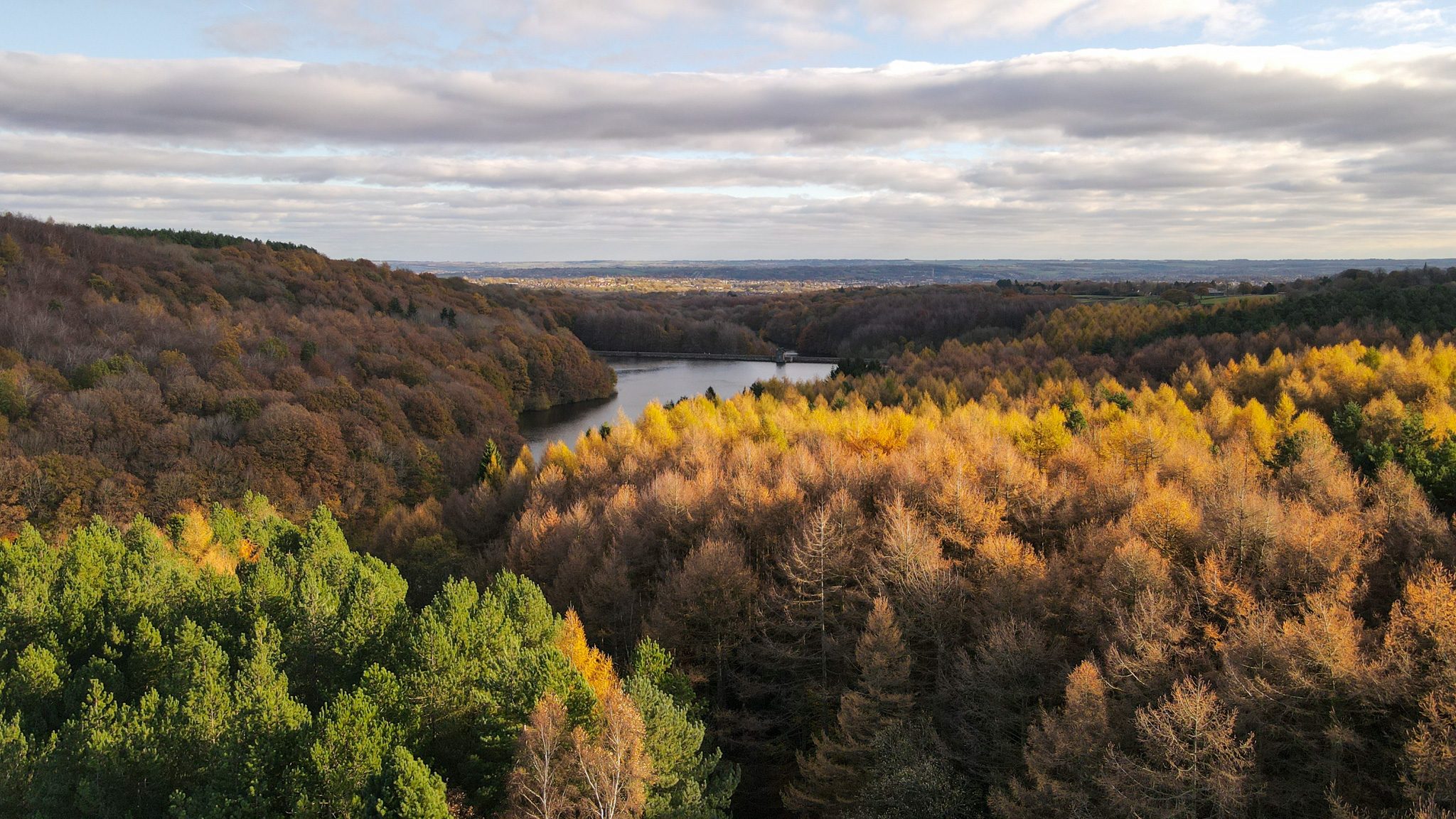



There’s something about reservoirs that always draws me in when we’re travelling in the van. Maybe it’s the stillness, or the way they tend to sit slightly off the obvious routes. Upper Linacre Reservoir, near Cutthorpe on the edge of the Peak District, fits that pattern perfectly.
We found it more or less by accident, looking for somewhere quiet to pause on a longer drive across Derbyshire. I’d heard it mentioned a few times in van circles as a decent place to stretch your legs. After spending the day there, it felt like more than just a stopgap. It’s somewhere I’d happily build into a route again.
It suits most kinds of road life. If you’re new to van travel and easing into it, or you’ve been doing this for years, Upper Linacre offers easy access, straightforward walking, and a calm atmosphere that hasn’t been overdone.
Getting There
Upper Linacre Reservoir sits a few miles west of Chesterfield, so it’s simple to reach if you’re crossing the Peak District or heading towards Sheffield.
From Chesterfield, take the B6050 through Cutthorpe. As you leave the village, you’ll see brown signs for Linacre Reservoirs. The car park is clearly marked.
From Sheffield, head south through Dronfield and Barlow. The roads are narrower in places but scenic, winding through farmland before dropping into the valley where the reservoirs sit.
Parking for Campervans
There’s a surfaced car park right by the entrance. It’s fairly level and large enough for campervans, though anything particularly long or oversized might struggle. Payment is via machine, so bring coins, or check your signal if you’re relying on an app.
It’s worth noting this isn’t an overnight stop. There are clear signs prohibiting camping and overnight stays, and the car park is regularly patrolled. We used it as a daytime base, then moved on later. Around Chesterfield and the wider Peak District there are van friendly options if you plan ahead, and a couple of nearby pubs with car parks are known to allow overnighting if you ask first.
First Impressions
It feels tucked away. You’re only a few miles from Chesterfield, but once you’re parked and walking, that sense of proximity fades quickly.
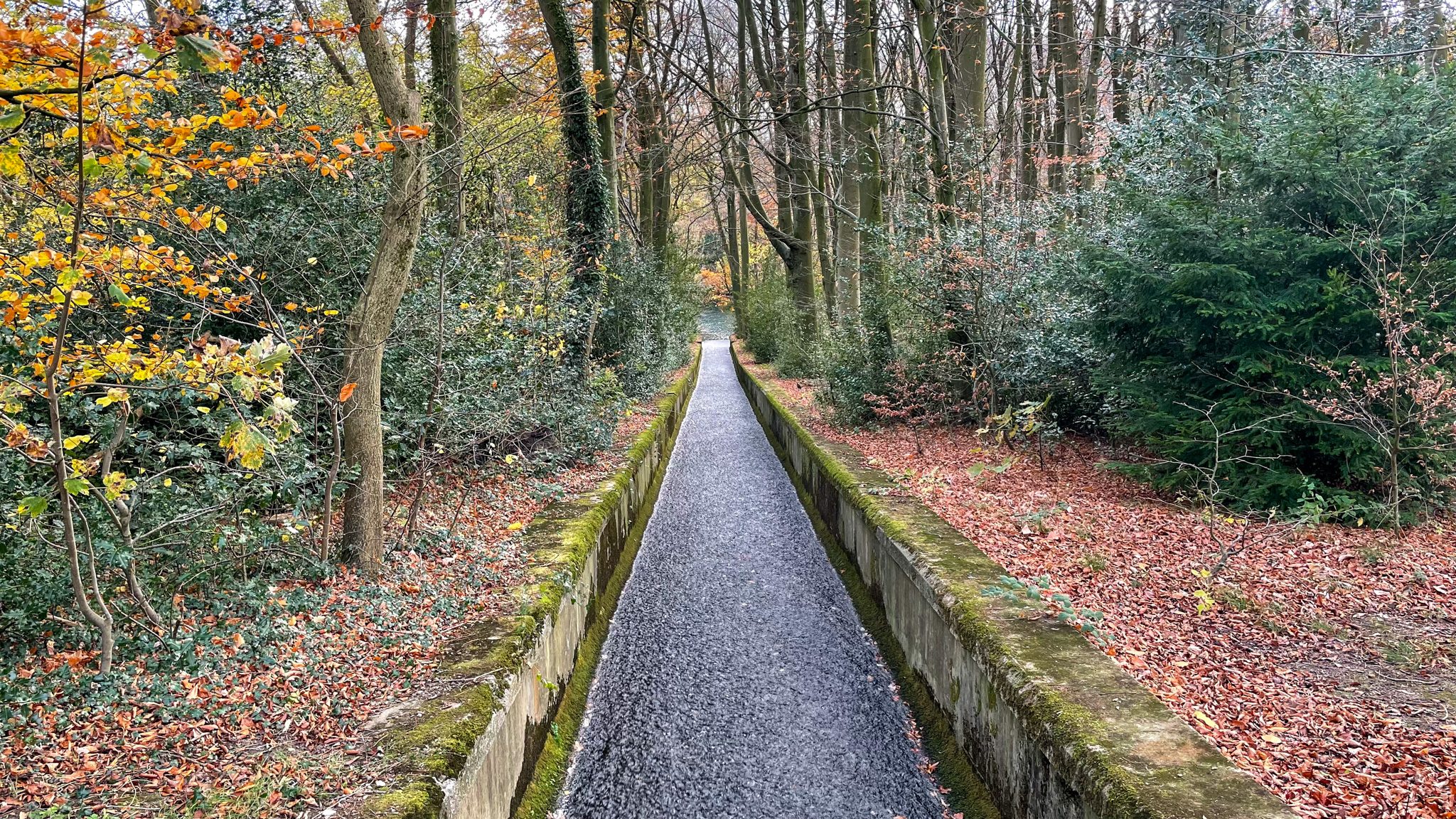
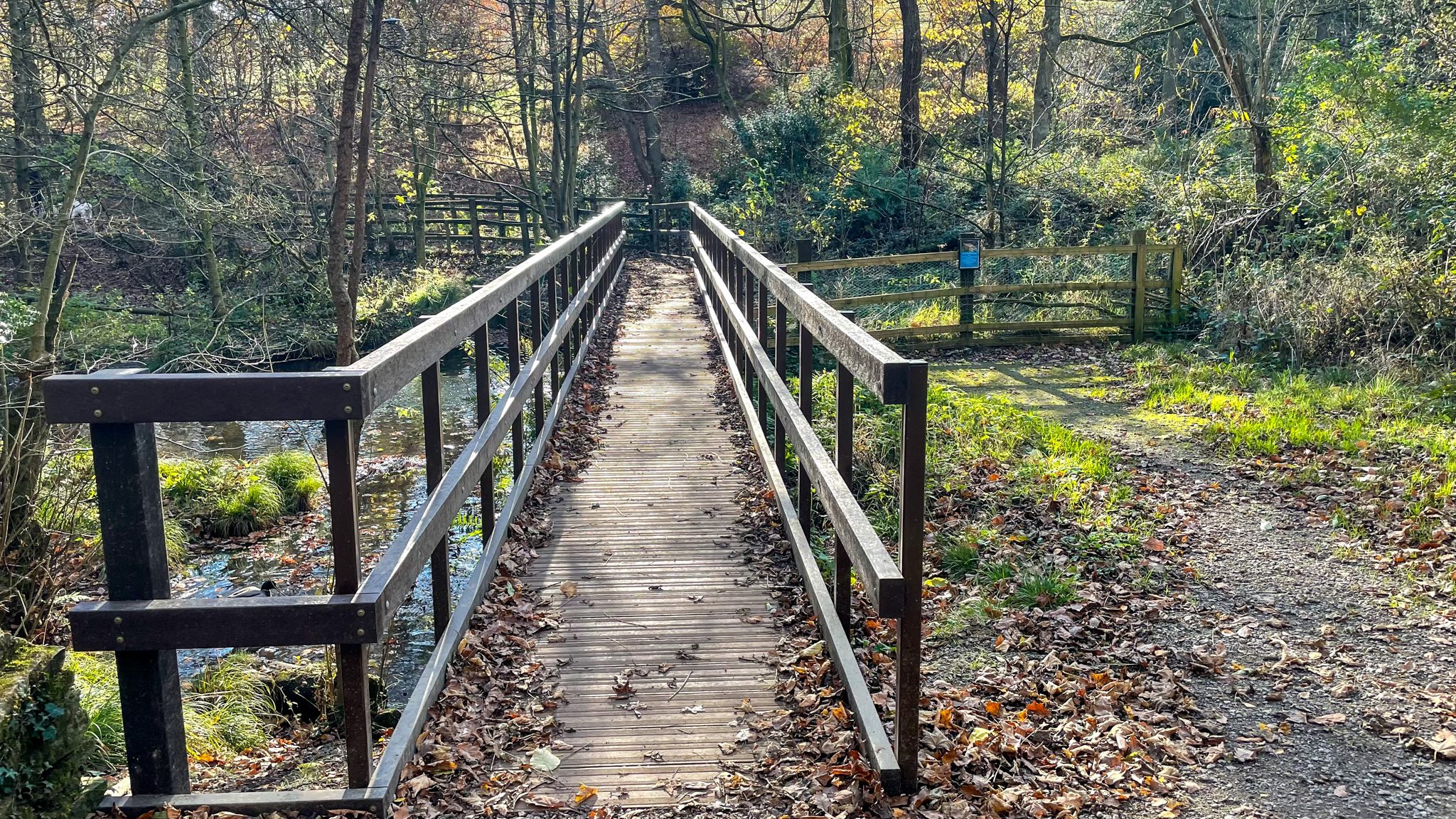
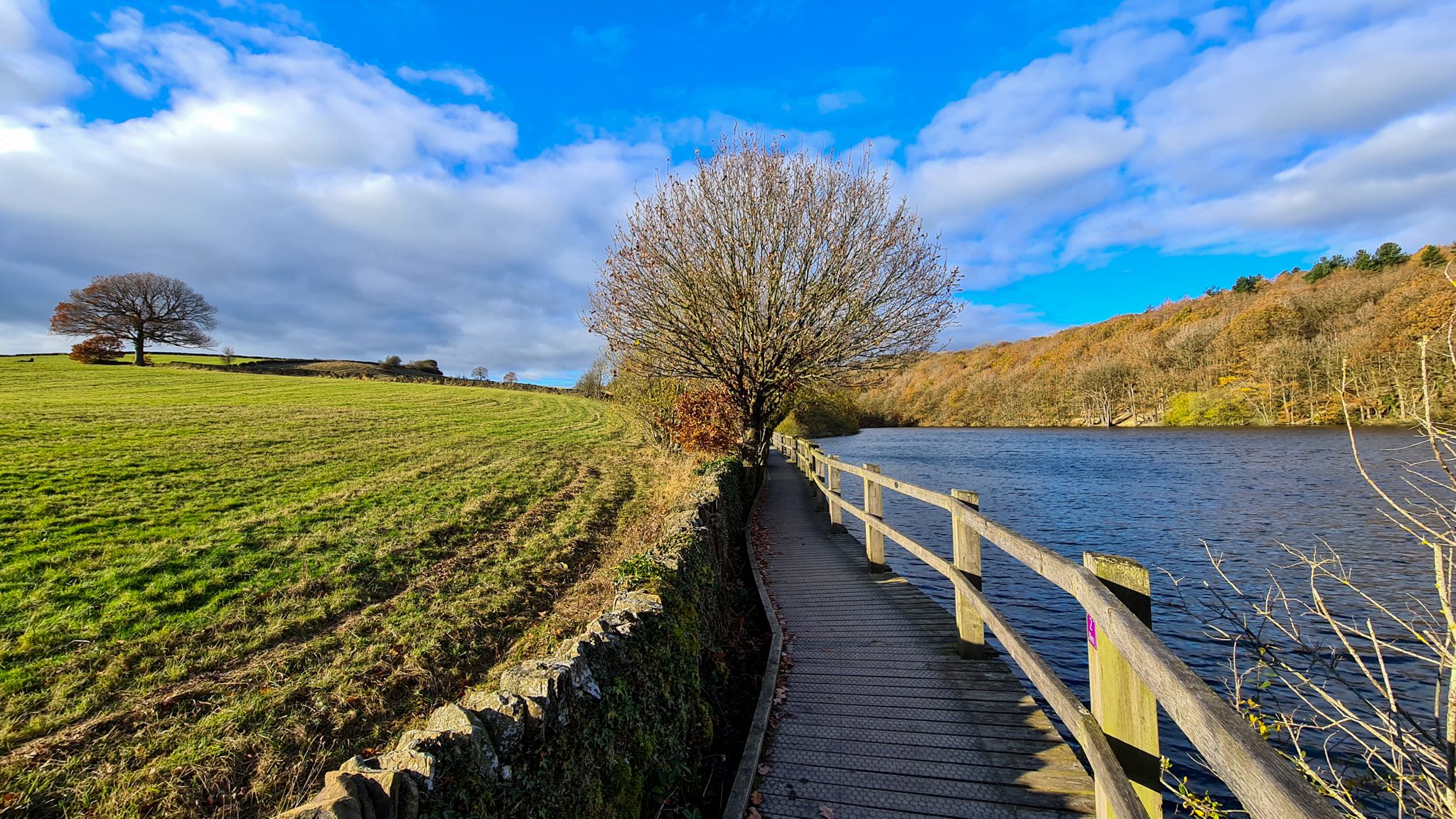
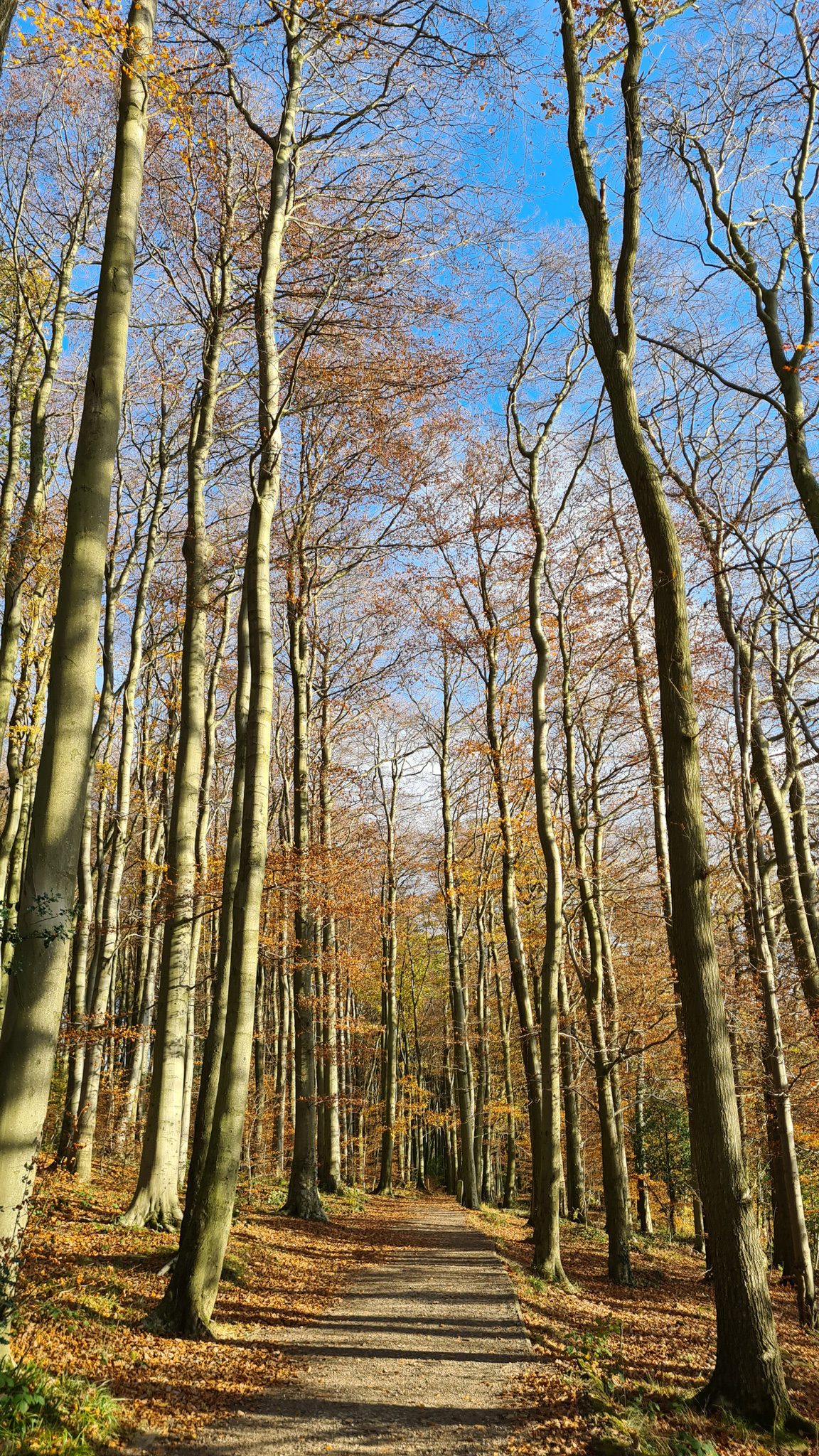
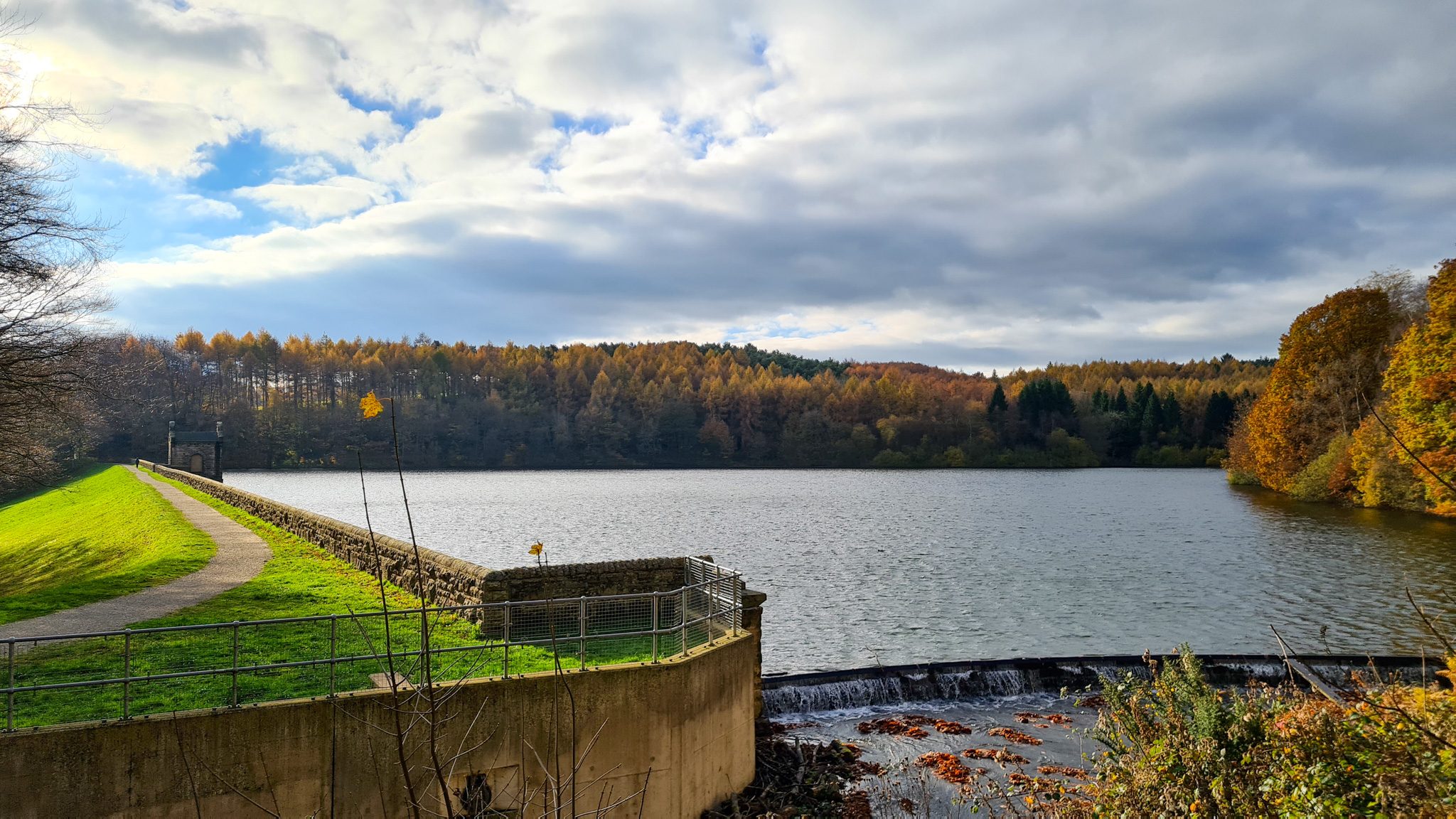
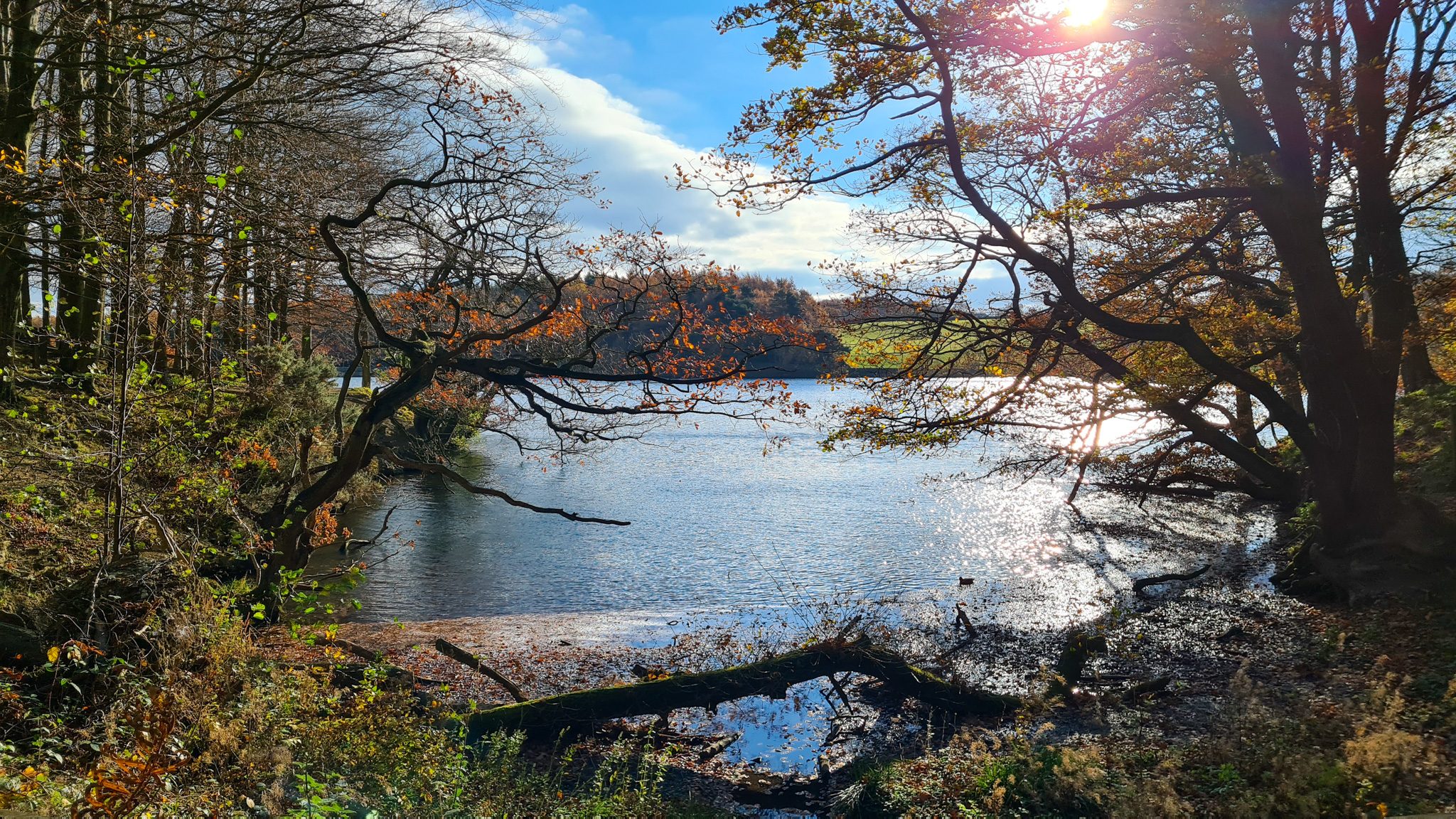
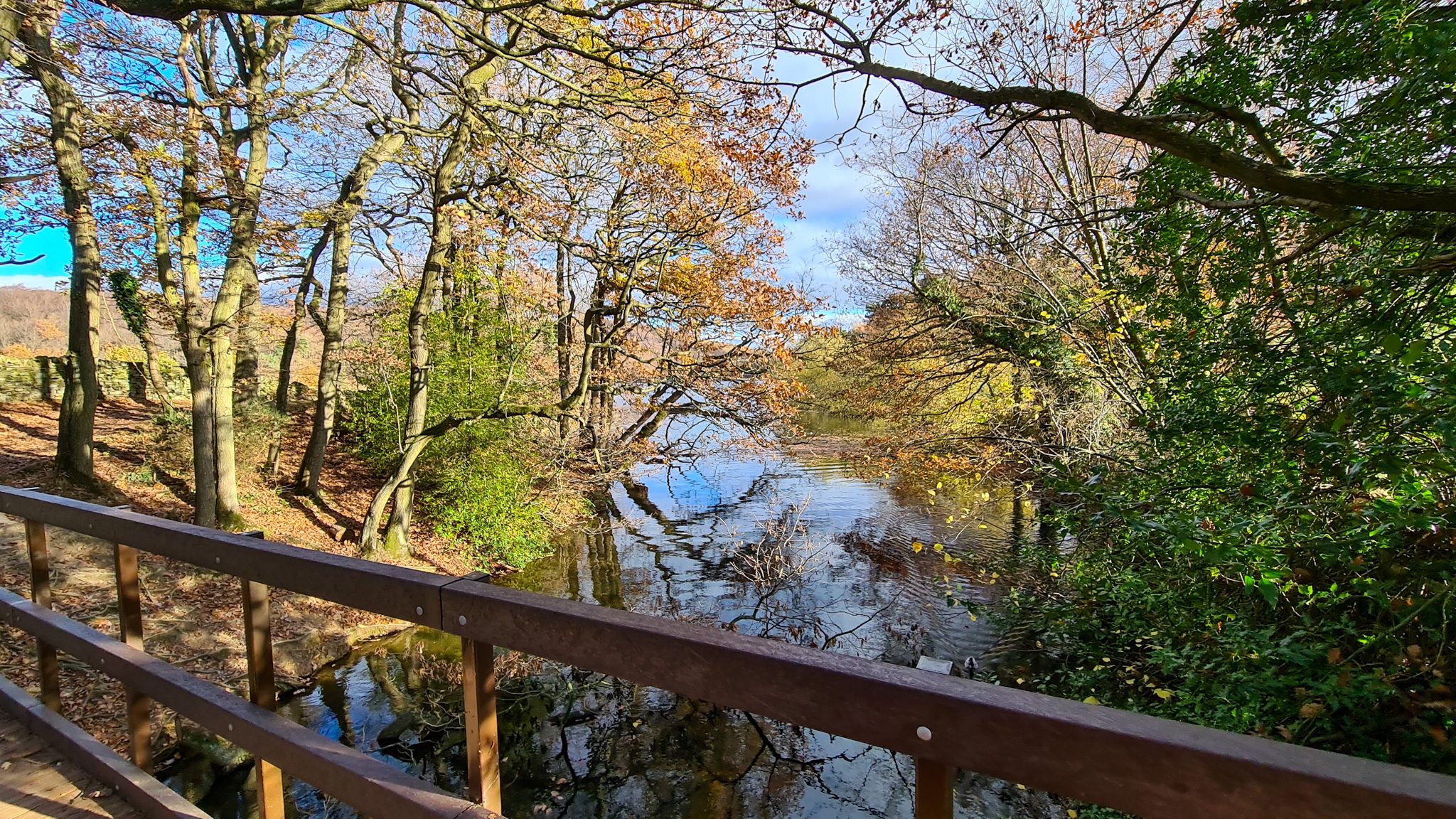
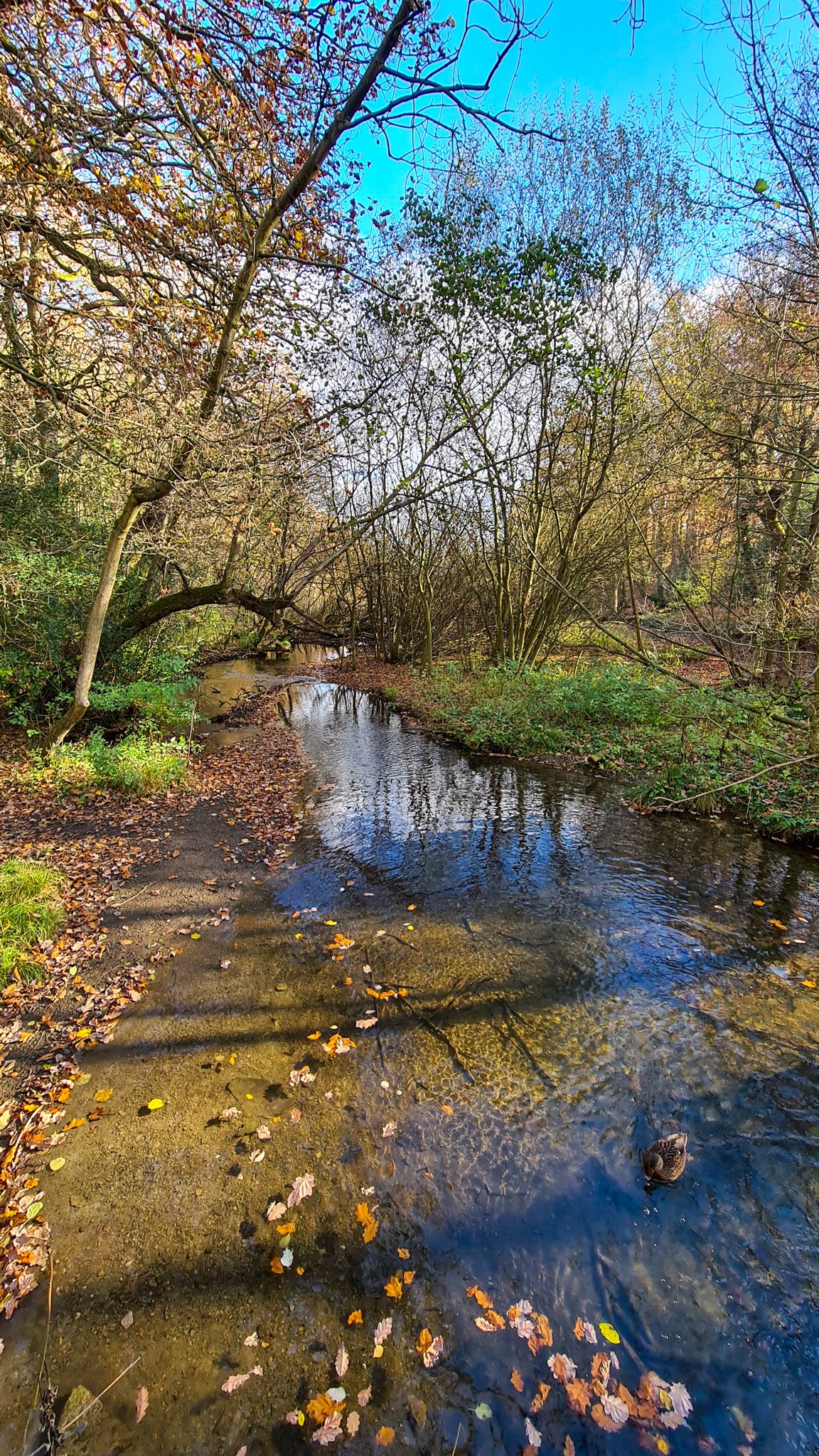
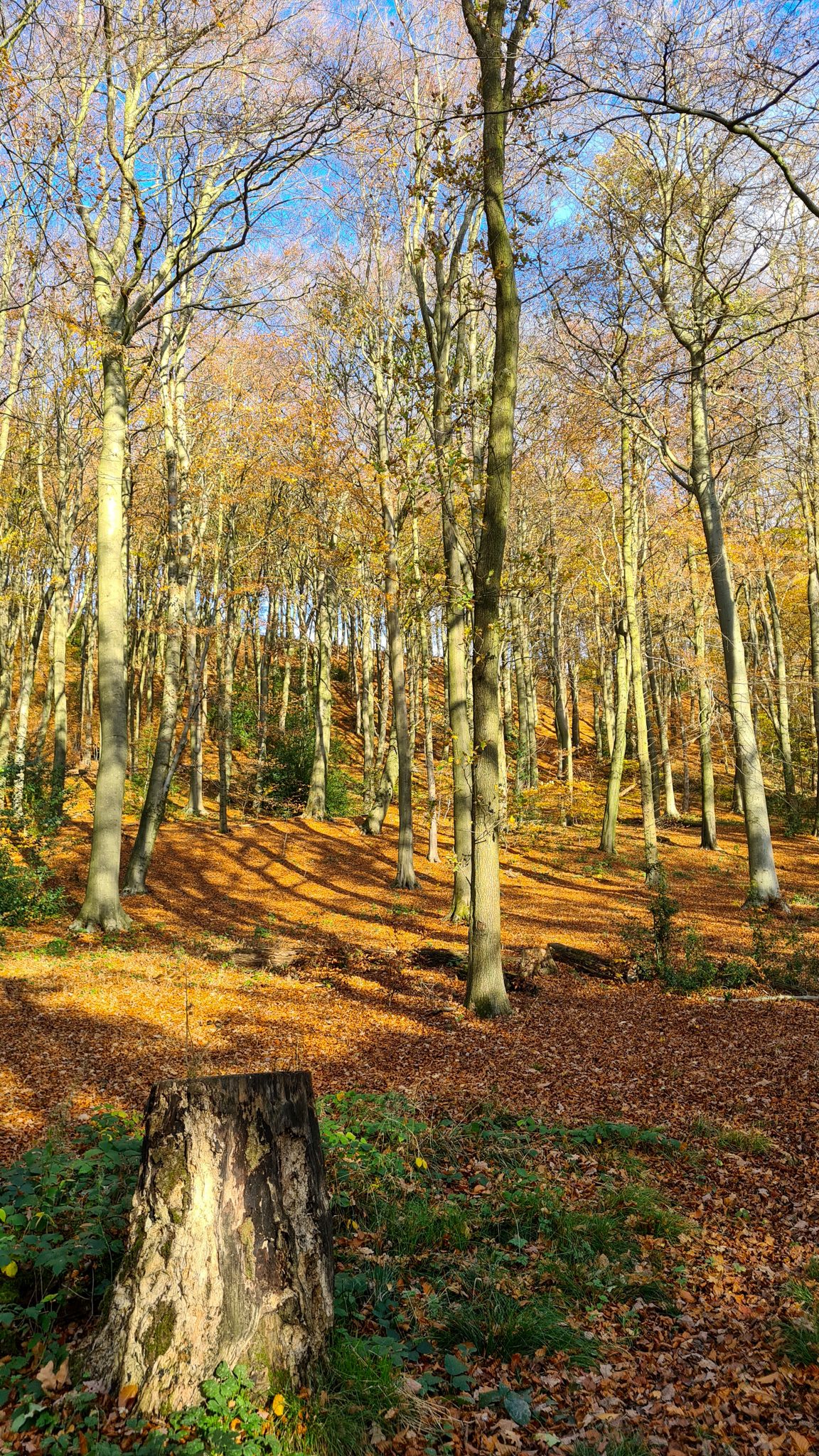
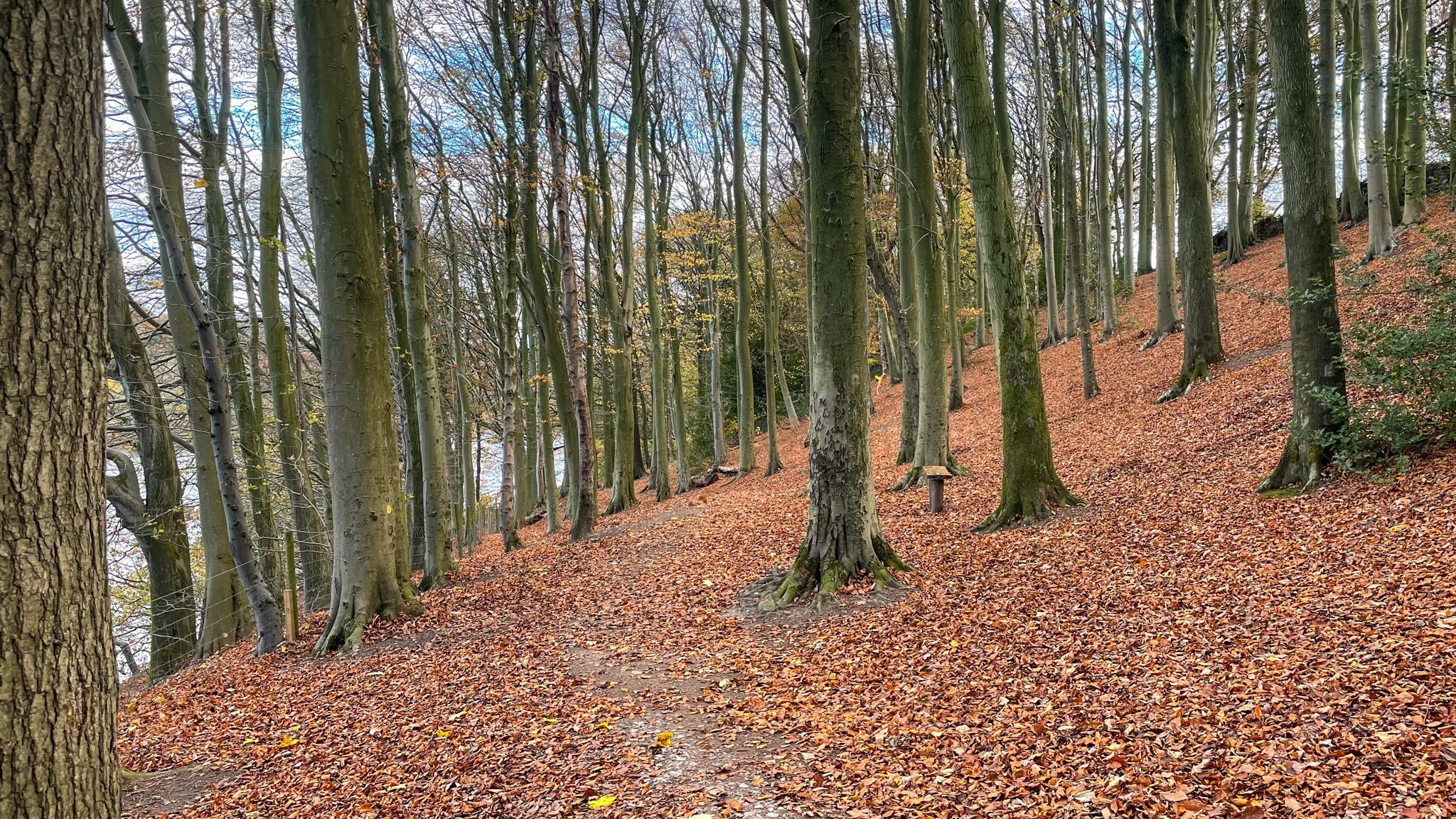
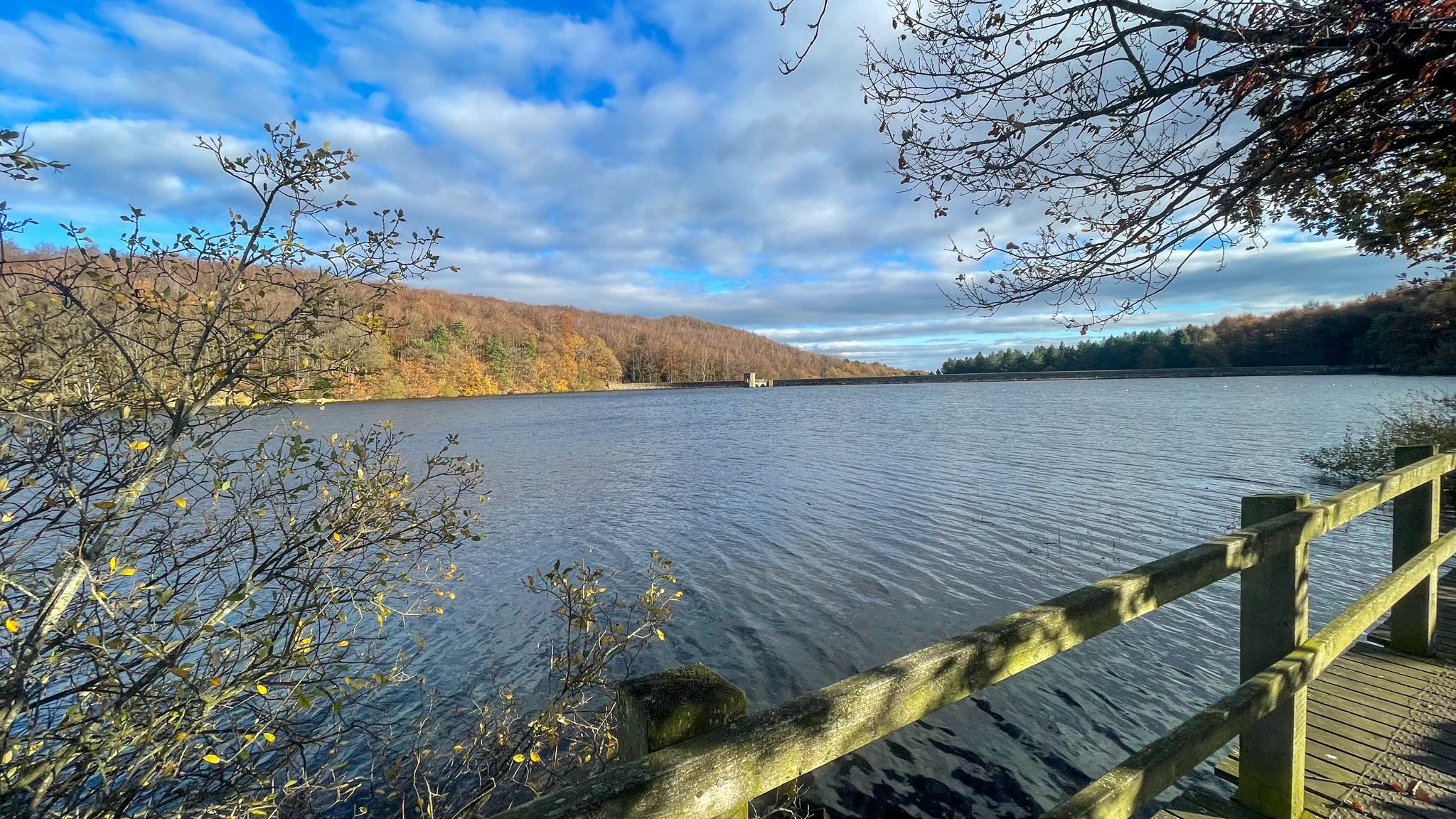
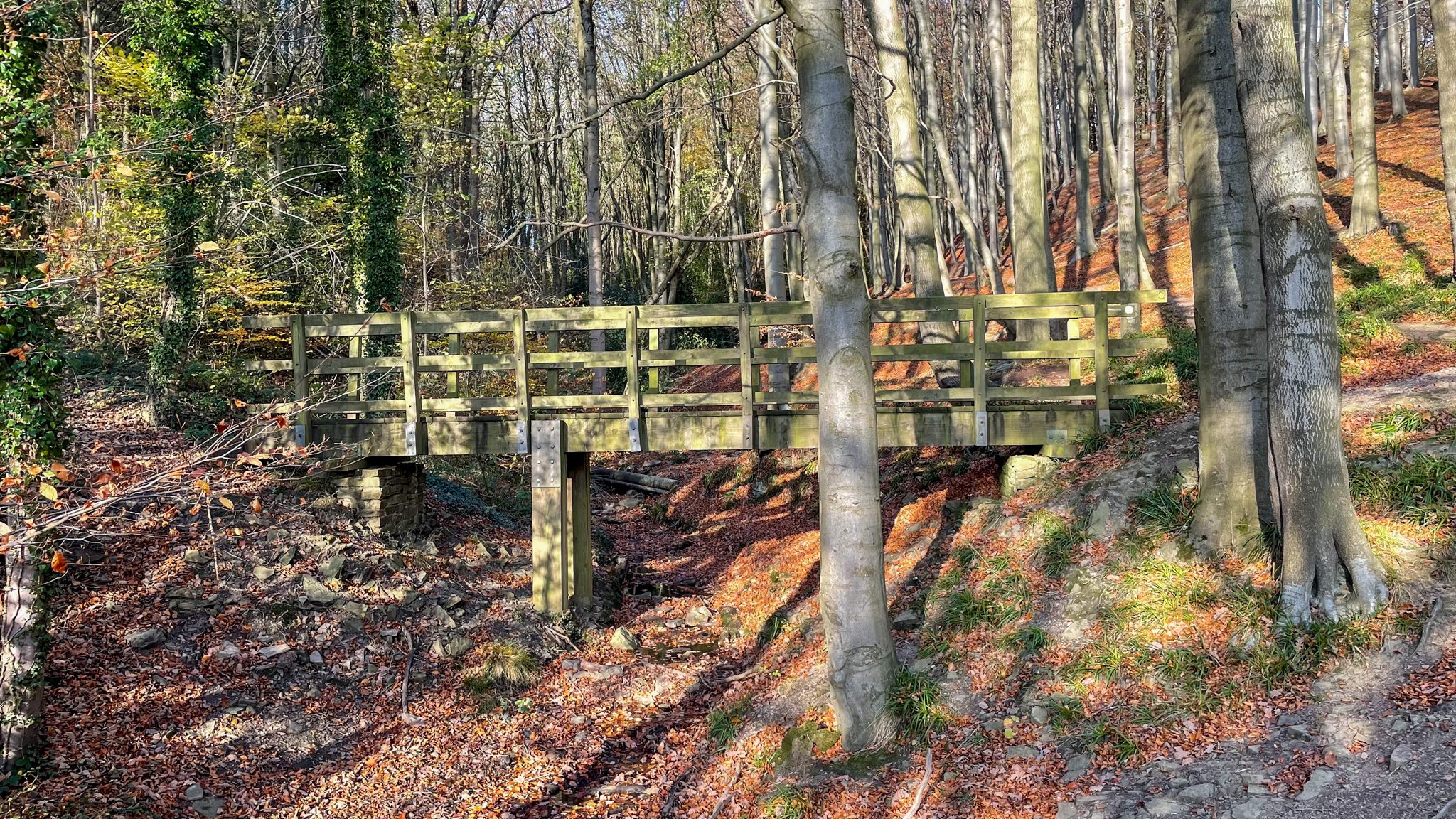
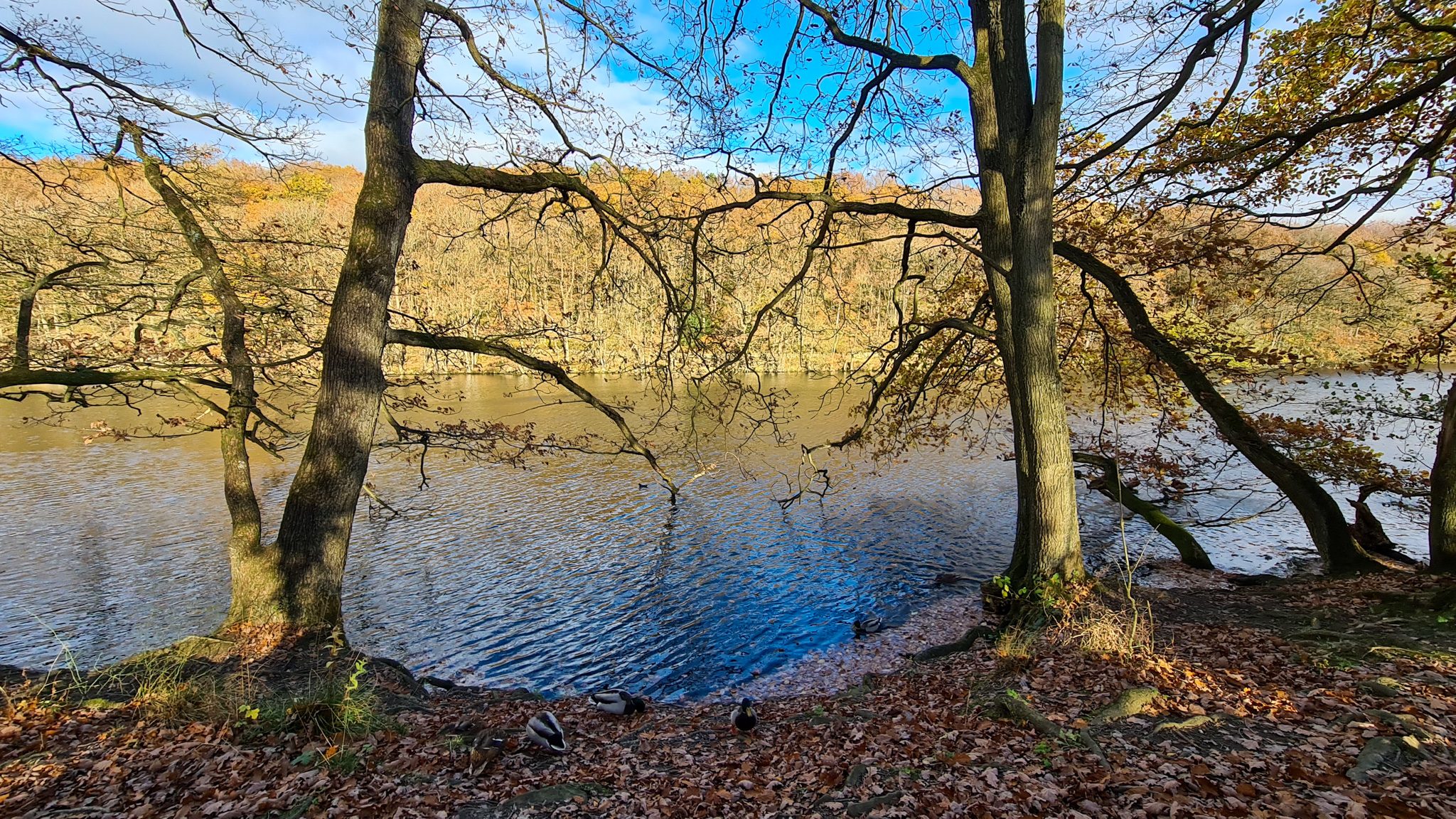
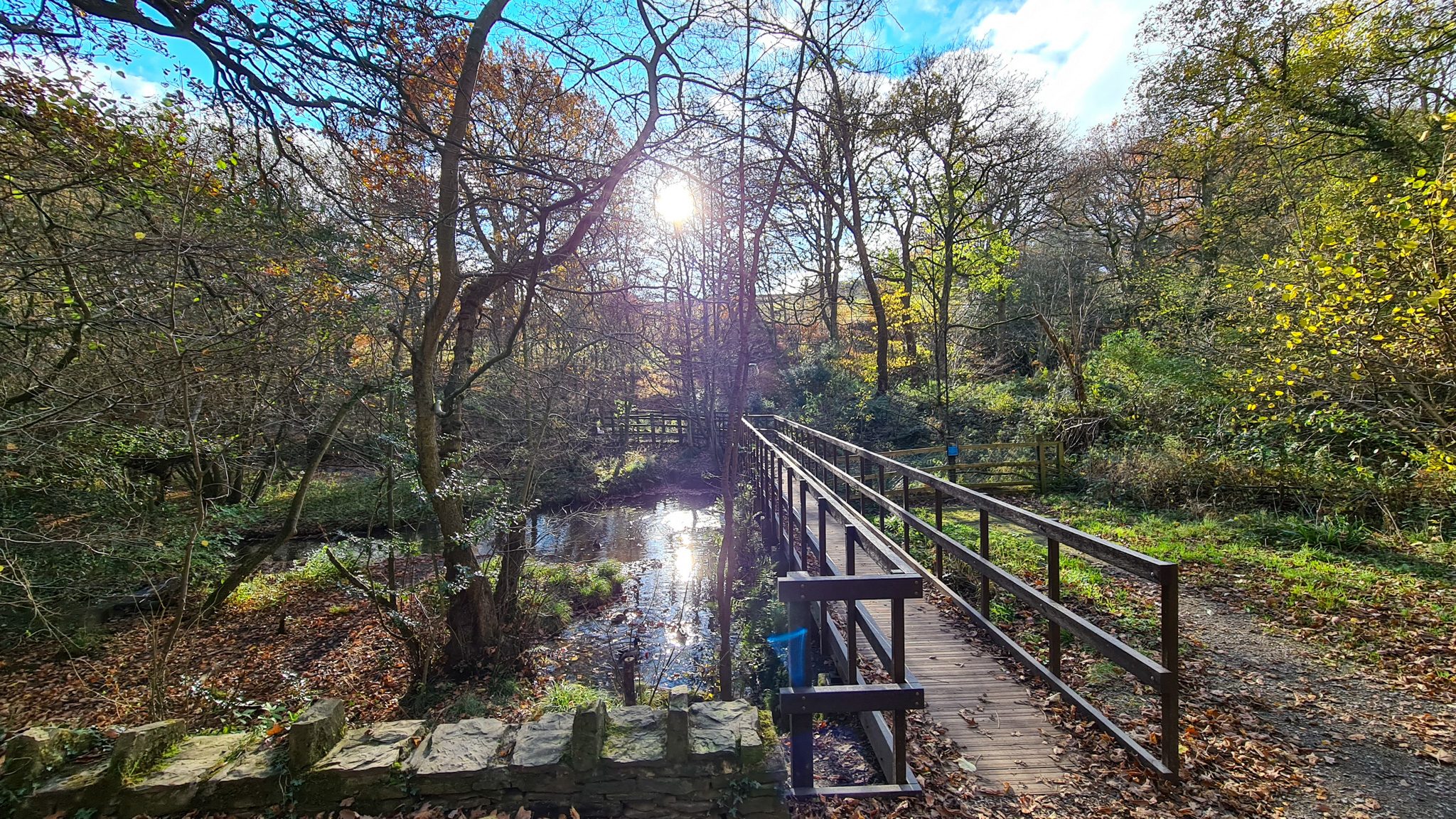
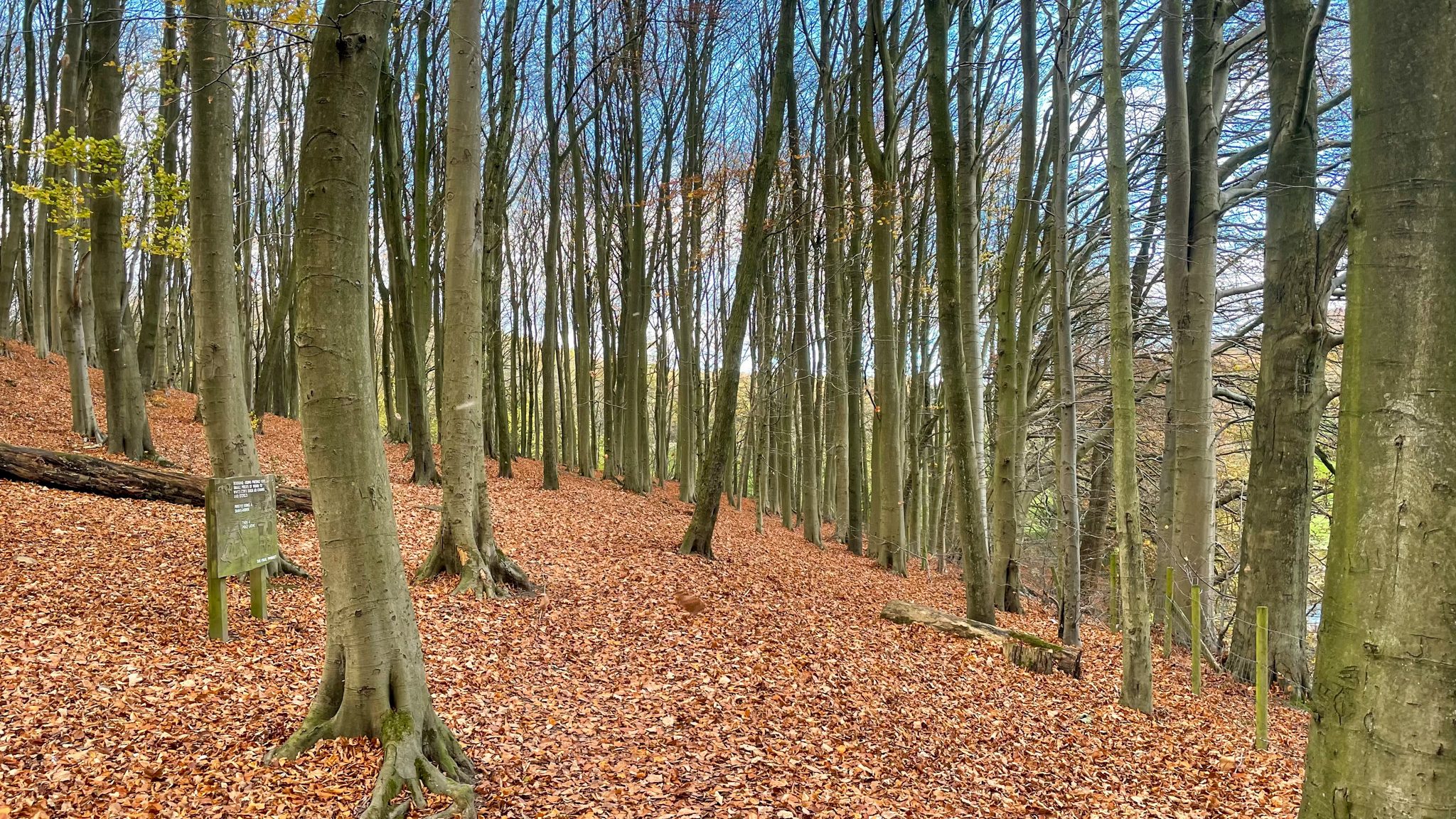
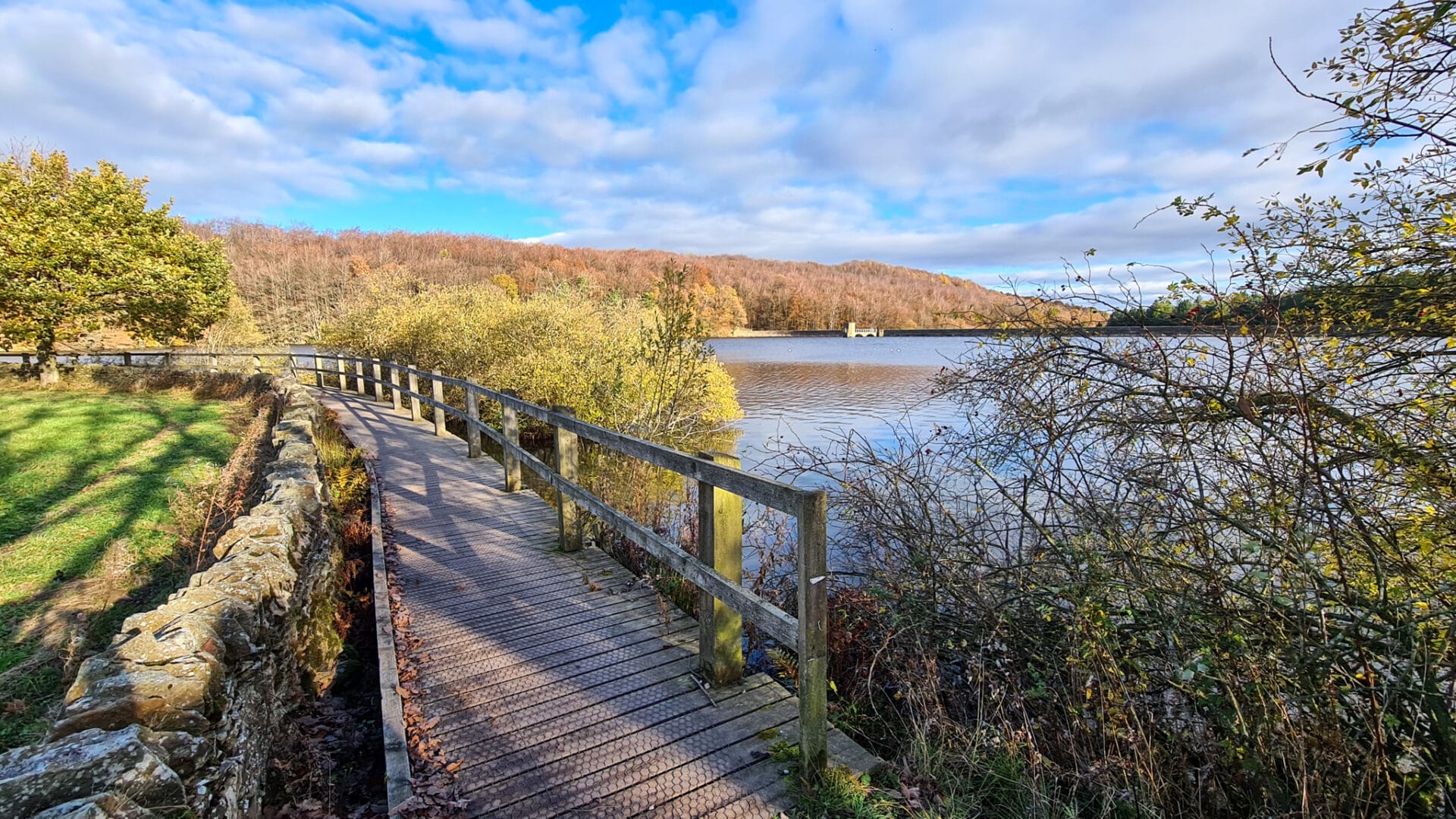
The air always seems a touch cooler by the water. In summer the woodland is thick and green. In autumn, the paths are layered with dry leaves. The reservoir itself is calm, edged by tall pines and mixed woodland, with soft bird calls carrying across the water.
In the morning it can feel almost still enough to pause you. Later in the day, families, dog walkers and the occasional runner appear, but it never tips into busy.
What to Do at Upper Linacre
There aren’t visitor centres or cafés here, and that’s part of the appeal. It’s simple. You come for the walking and the quiet.
Walk the reservoirs
There are three in total: Upper, Middle and Lower Linacre. The paths link them all, and a full circuit comes in at just over five miles.
Birdwatching
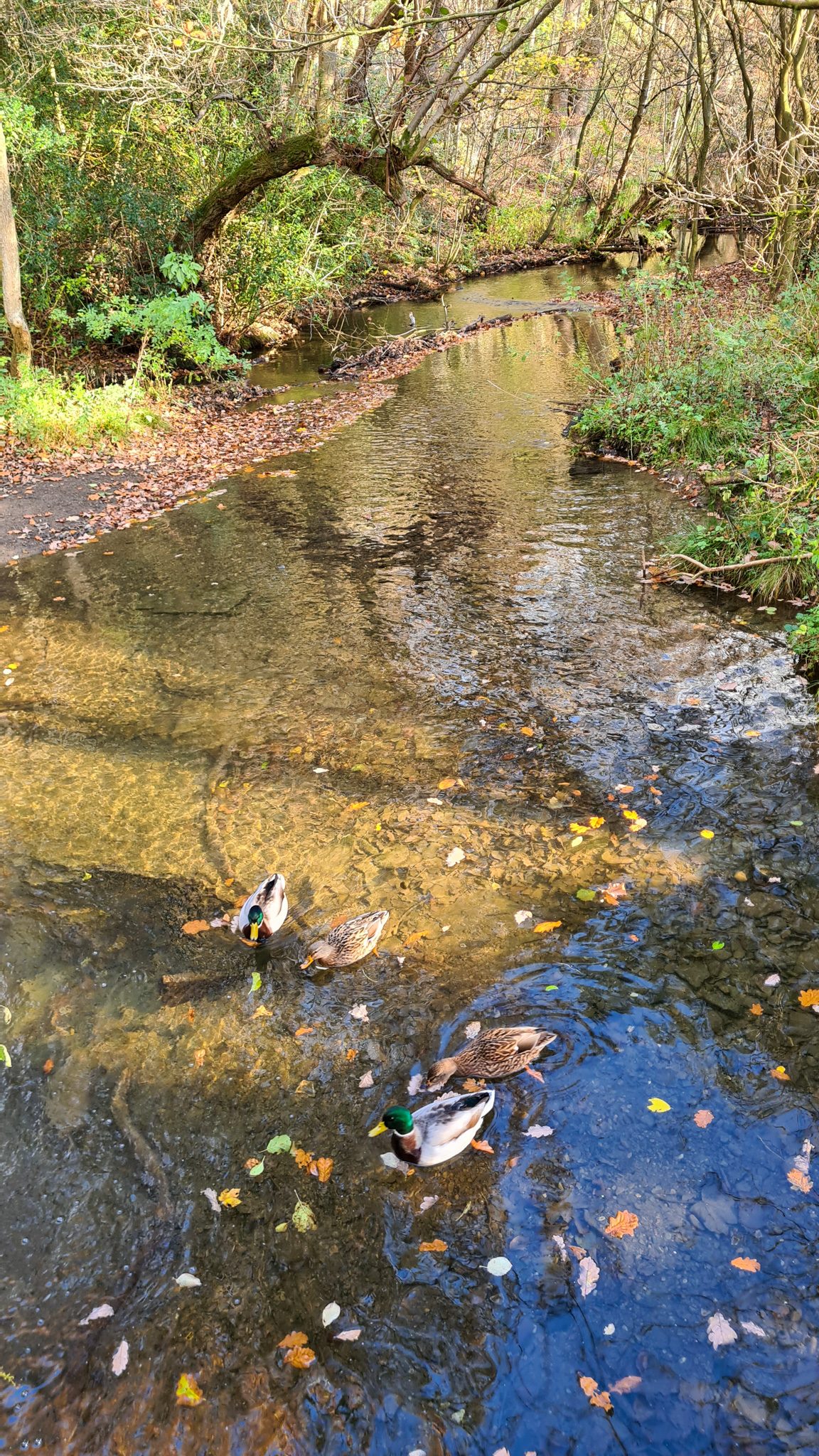
The woodland supports nuthatches, woodpeckers and, if you’re fortunate, tawny owls. Ducks and geese move across the water, and there’s often something shifting in the trees.
Photography
On a still morning or late afternoon, the reflections across the reservoir can be striking. It’s an easy place to slow down and notice the light.
Picnic by the water
There are a few benches dotted around, though we tend to bring a blanket and sit closer to the edge. There aren’t facilities or cafés, so bring what you need. A flask of tea goes a long way here.
Walks and Woodland
The walking is what gives Linacre its shape as a day out. You can keep it short or make a proper loop of it.
The Upper Reservoir loop is about 1.5 miles and mostly gentle. It’s ideal if you’ve been driving for hours and just need to move.
The full three reservoir circuit stretches to around five miles. It takes you through mixed woodland, across small inclines, and along stretches that can turn muddy after rain. It’s not difficult, but decent footwear helps, especially in winter when sections can be slippery.
There are also connecting footpaths towards Cutthorpe and further towards the edge of the Peak District, so stronger walkers can extend the route if they want more distance.
Wildlife adds interest as you go. We spotted grey squirrels weaving through the trees and a heron standing still at the water’s edge. In spring, bluebells spread across parts of the woodland floor, changing the feel of the place without altering its quietness.
A Bit of History
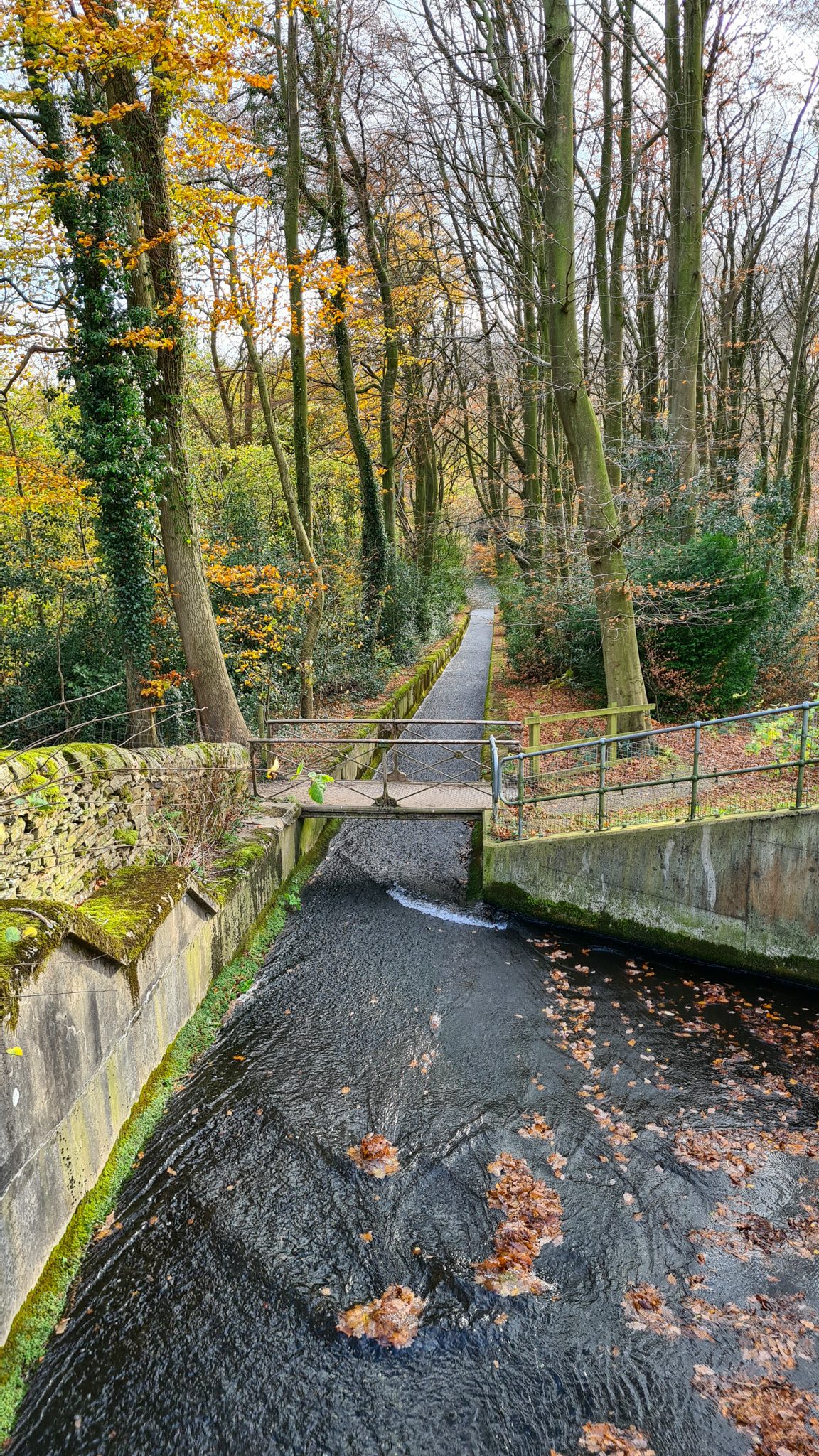
The reservoirs were built between 1855 and 1904 to supply drinking water to Chesterfield. They’re a practical piece of Victorian infrastructure that has settled into the landscape over time.
If you walk down towards the lower reservoir, you can still see sections of the original stone dams. The engineering is solid and understated.
The name Linacre is thought to come from Old English meaning flax field, which points to the area’s agricultural past. Today the site is managed by Severn Trent Water, with the surrounding woodland looked after for both wildlife and visitors.
Knowing this shifts your perspective slightly. You’re not just walking around a body of water, but around something that has supported the town for well over a century.
Final Thoughts
Upper Linacre Reservoir fits neatly into a slower style of travel. It’s easy to reach, uncomplicated to explore, and offers space to breathe without feeling remote.
I wouldn’t plan a full week around it. But as a day stop or a place to break up a longer journey, it works well. Families can manage the paths, solo travellers can find quiet corners, and vanlifers get a solid daytime base before moving on.
We’d go back, particularly in spring or autumn when the woodland shifts colour.
If you’re travelling through Derbyshire, it’s worth building into your route. It may not be one of the Peak District’s headline spots, but that’s part of the reason it holds onto its calm.