
Leaving the bustle of the city behind, we headed for North Wales with tents, outdoor kit and a loose plan to spend a few days around lakes, beaches, waterfalls and small towns. It was the sort of trip that suits anyone who wants fresh air without needing a heavily planned itinerary, whether you are travelling by car, van, campervan or simply looking for a practical camping break.
Our first base was Fronalchen Caravan Park, a quiet site near Bala. It gave us a straightforward place to settle in before exploring the area around Llyn Tegid, and it worked well as a starting point for a trip that would gradually move west across North Wales.
Bala and Llyn Tegid
Our first proper outing was onto Llyn Tegid. As the largest natural body of water in Wales, it has the space and setting for a memorable paddleboarding session, especially when the light starts to drop behind the surrounding hills.
For us, this was a gentle way into the trip rather than a big activity day. The lake felt calm and open, and it gave us time to properly adjust from city pace to countryside pace. If you are travelling with a van or campervan, this is the sort of stop where planning your approach and parking matters more than the activity itself, particularly if you are carrying boards or other outdoor kit.
Bala Lake Railway
On the second day, we swapped paddleboards for the Bala Lake Railway. The narrow gauge railway runs for nine miles through the landscape around the lake, and it made a slower, more relaxed contrast to being on the water.
There is something simple and enjoyable about travelling by steam train through this part of Wales. The rhythm of the engine, the open views and the slower pace all suited the mood of the trip. It was also a useful reminder that a road trip does not have to mean driving every day. Sometimes it is better to park up, leave the vehicle alone for a while, and see a place differently.
A Stream, Some Confusion and a Lesson in Rural Wales
One of the more unexpected moments came while we were paddling in a nearby stream. A pair of local bobbies mistook us for salmon poachers, which was slightly surreal and quite funny once everyone realised what was going on.
We explained that we were just city-dwellers on a countryside break, with no experience of rural crimes or salmon poaching. It became one of those small stories that stays with a trip, mostly because it reminded us that we were very much visitors in a working rural landscape, not just passing through scenery.
Welshpool for Camping Supplies
Reality caught up with us soon enough, and we found ourselves needing extra camping supplies. Welshpool became the practical stop that saved the day.
This is not the most romantic part of a camping trip, but it is one of the most useful. If you are moving around North Wales by car, van or campervan, it helps to know where your practical towns are. A scenic route is much easier to enjoy when you have enough food, gas, spare layers or whatever else you forgot to pack properly.
Swallow Falls and Trawsfynydd Lake
Swallow Falls was our next stop. The waterfalls gave the day a clear focus, with the sound and movement of the water making it feel very different from the stillness of Bala.
After that, we travelled on to Trawsfynydd Lake. It was a quieter, more reflective stop, with calm water and a slower feel. The contrast between the two places worked well: one dramatic and noisy, the other still and spacious.
For road-trippers, this part of the journey is where the shape of North Wales starts to matter. Distances can feel different here because the roads, stops and scenery naturally slow you down. That is not a bad thing, but it is worth building space into the day rather than trying to cram in too much.
The Llŷn Peninsula and Mynydd Anelog
From there, we continued towards the Llŷn Peninsula. The landscape changed again, feeling more coastal and open as we moved further west.
One of the strongest memories from this part of the trip was watching the sunset from Mynydd Anelog. It was a simple moment: the sun dropping, the sky changing colour, and the wind moving around us. No big activity, no packed schedule, just time to stand still for a while.
Stops like this suit walkers, couples, families and anyone who enjoys a quieter viewpoint. If you are travelling in a larger vehicle, it is the sort of place where it is sensible to think about the approach in advance and avoid assuming every lane or parking spot will be easy.
Porthor and the Whistling Sands
The following day took us to Porthor, a beach known for its whistling sands. The sound underfoot is the thing people come for, and it does make the beach feel a little different from others along the coast.
It is a good example of a stop that does not need overcomplicating. Walk, listen, take in the coast and give yourself enough time not to rush back to the vehicle. For families, walkers and dog walkers, beaches like this are often the easiest parts of a trip to enjoy, provided you plan around access and any local restrictions that may apply at the time of visiting.
Anglesey and Maes Tywyn Campsite
We then crossed over to Anglesey, where Maes Tywyn Campsite became our next base. After several days of moving between lakes, waterfalls and coastal viewpoints, it was a welcome place to slow down again.
The campsite’s green and quiet setting gave us a softer landing after the more active parts of the route. For anyone travelling in a van or campervan, having a proper campsite stop built into a multi-day route can make the whole trip feel easier, especially when you need to reset, sort kit and avoid turning every evening into a search for somewhere to sleep.
Llanddwyn Beach
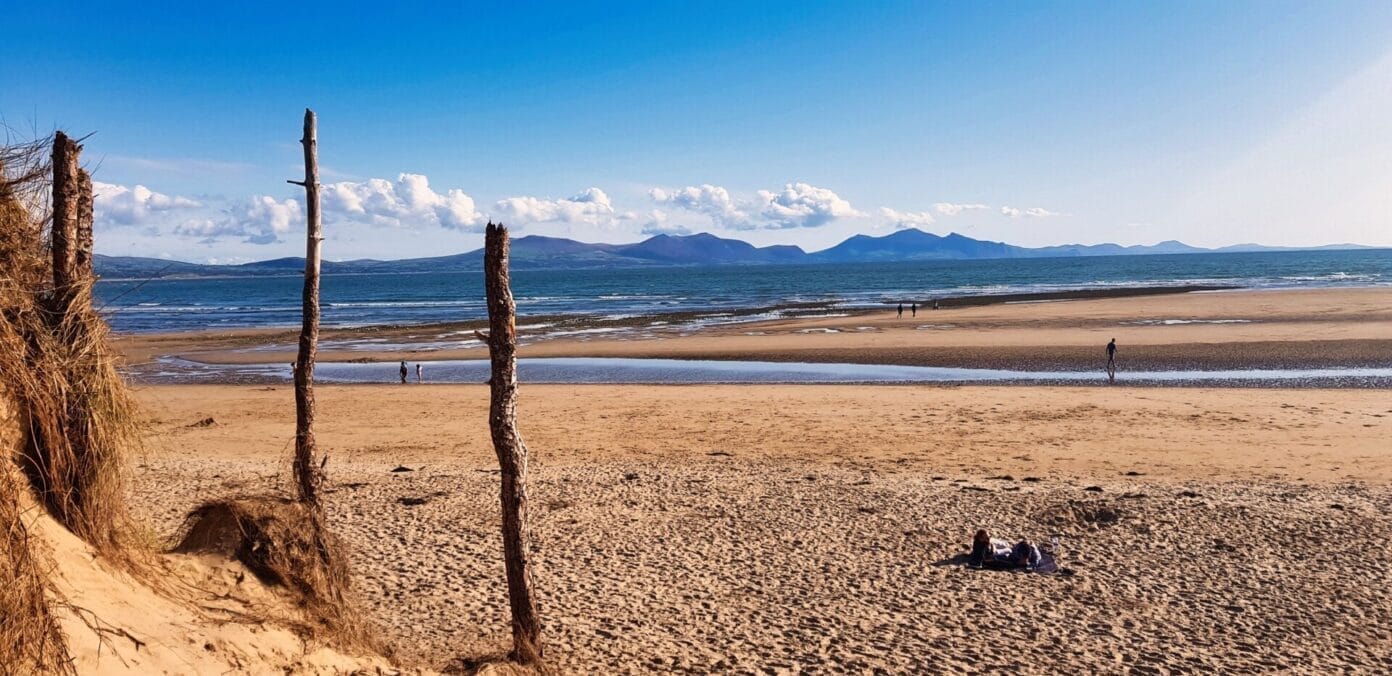
Llanddwyn Beach was one of the highlights of the Anglesey section. Clear water, pale sand and a calm setting made it feel like a proper reward at the end of the trip.
It is the kind of beach that works for different types of visitor. You could treat it as a gentle family stop, a longer walk, a quiet couple’s afternoon or simply a place to sit and take in the coast. It also fits naturally into a road trip because it gives you a clear destination without needing to over-plan the day.
Anglesey Sea Zoo
We finished the trip with a visit to Anglesey Sea Zoo. After several days outdoors, it offered a different pace and a useful change of focus, with native marine life and a more educational feel.
It was a good final stop before heading home, especially because it rounded off the trip with something structured rather than another walk or viewpoint. For families in particular, stops like this can help balance a route that might otherwise lean heavily on scenery and weather-dependent activities.
Final Thoughts on Our North Wales Camping Trip
Our five-day trip through North Wales gave us a good mix of lake time, campsites, beaches, waterfalls, small practical stops and slower moments. It was not a polished itinerary, and that was part of why it worked. We had a rough direction, a few key places in mind and enough flexibility to deal with forgotten supplies, weather, detours and the odd misunderstanding in a stream.
For general visitors, this route shows how much variety North Wales can offer in a short break. For car travellers, road-trippers and van or campervan travellers, it is also a reminder to think practically about how each day links together. Campsites, supply stops, parking, access and driving time all shape the experience as much as the headline places.
If you are planning something similar, keep the route loose enough to enjoy properly. North Wales is best approached with time to pause, adjust and take the quieter moments seriously.