Conisbrough Castle sits in the village of Conisbrough in South Yorkshire, a short distance from Doncaster. It is one of those places where the scale of the building is clear as soon as you arrive, with the circular keep and stone curtain wall still giving the site a strong presence above the surrounding streets.
The castle dates back to the years after the Norman conquest of England in 1066. It was constructed by William de Warenne, the Earl of Surrey, and later became the centre of a large Norman lordship granted by William the Conqueror. The keep was likely built during the 1170s or 1180s.
By the 16th century, Conisbrough Castle had fallen into disrepair and gradually became the ruin visitors see today. By the late 19th century, interest in the castle had grown again, and it began to develop as a visitor attraction. In 2008, after restoration work to the floor and roof, English Heritage took on stewardship of the site.
Today, a visit combines a small but useful visitor centre, well-kept grounds, the remains of the curtain wall, and access inside the keep itself. It works well as a relaxed afternoon stop, especially if you enjoy historic sites that still leave enough space for you to imagine how they may once have been used.
Booking Your Visit
Booking a visit to Conisbrough Castle is straightforward. At the time of our visit, English Heritage was using an online booking system introduced during the coronavirus pandemic. This allowed visitors to choose a date and time slot before arrival, helping to manage numbers on site and keep the experience more comfortable.
Once booked, you receive a confirmation email with the details of your visit. It is a simple step, but worth doing before you travel so you know your entry time is secured.
Parking Arrangements
We visited on a Friday afternoon and found parking easier than expected. There was on-street parking available on the side roads around the castle, and we did not have to pay for it.
For anyone travelling by car or campervan, that kind of practical detail makes a difference. The surrounding streets were manageable during our visit, although as with any village location, it is worth allowing a little extra time in case the closest spaces are taken.
The Visitor Centre Experience
Entry begins at the visitor centre, where English Heritage staff welcomed us and explained the social distancing measures in place at the time. They also pointed us towards the best route around the site to help keep visitors moving comfortably.
The visitor centre gives a useful introduction to the history of Conisbrough Castle before you head outside. There are displays, archaeological finds, and artefacts discovered at the site over the years. The information is presented clearly and gives enough context to make the ruins more meaningful once you start exploring them.
There is also a gift shop inside the visitor centre, with souvenirs available if you want something to take away from the visit.
Exploring the Grounds
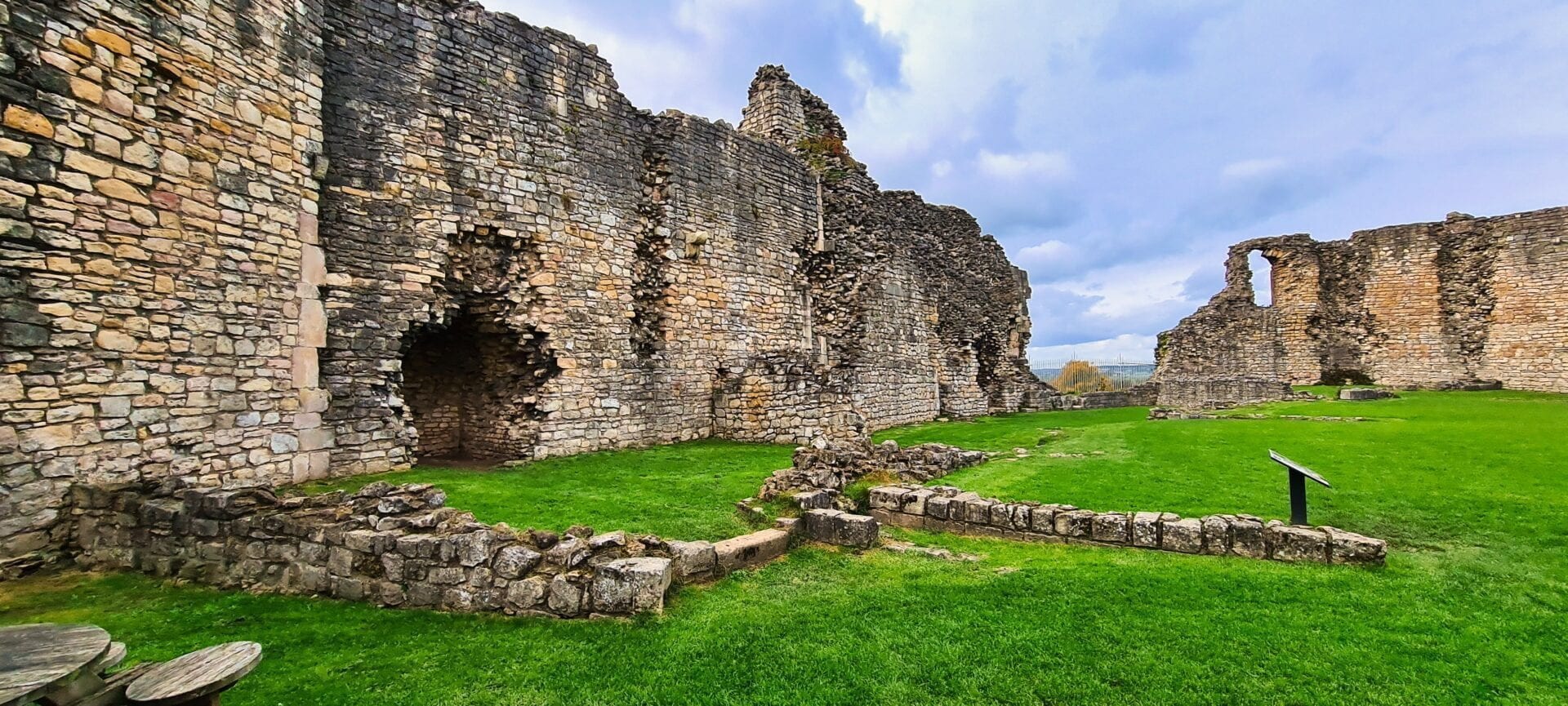
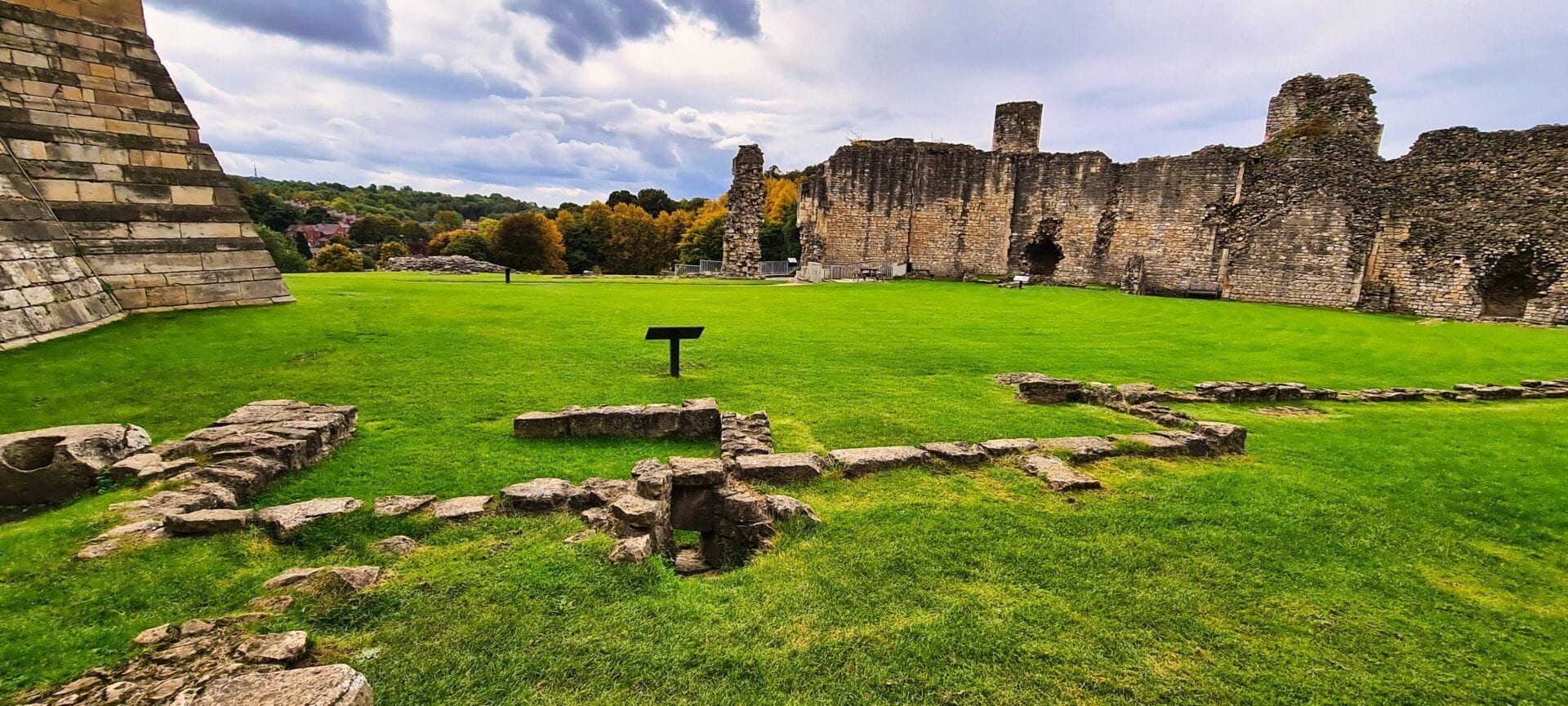
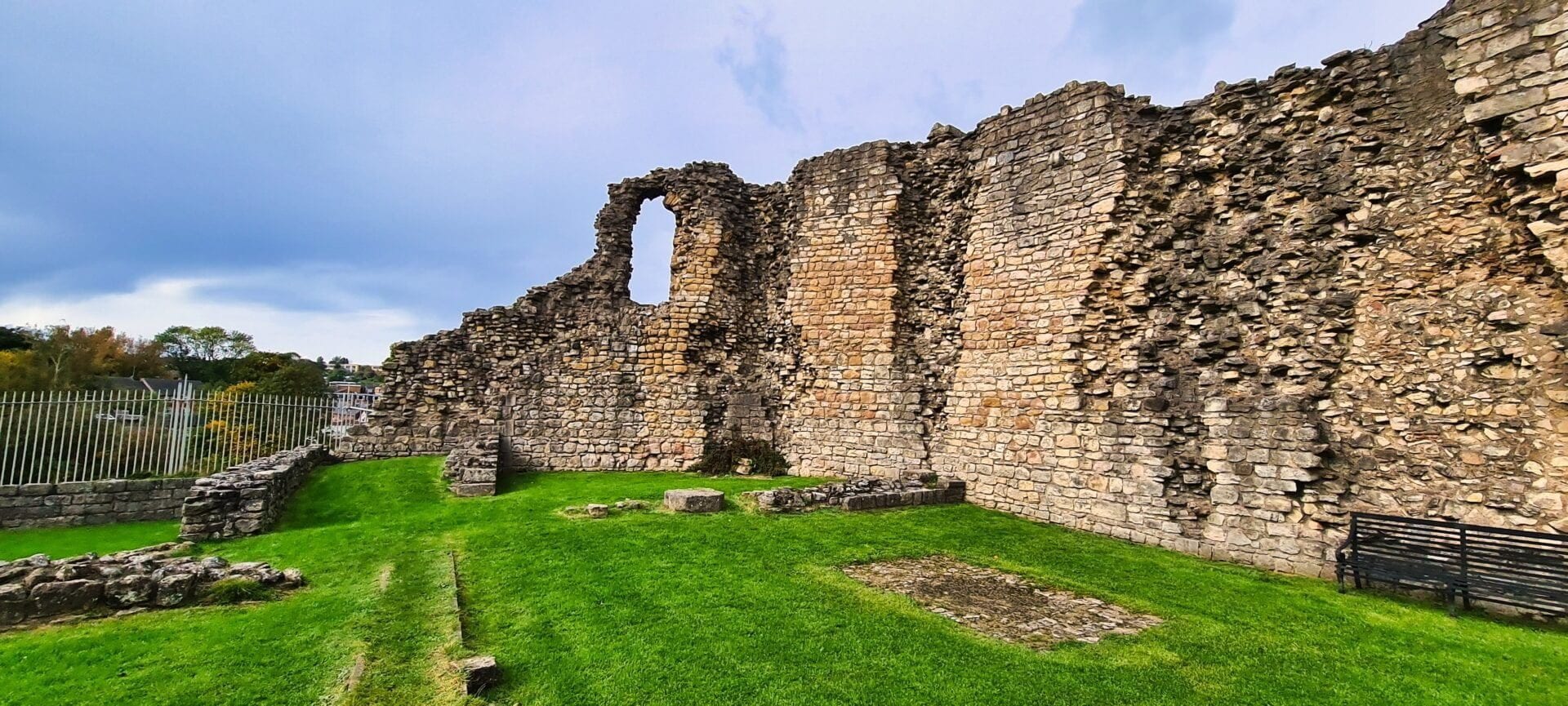
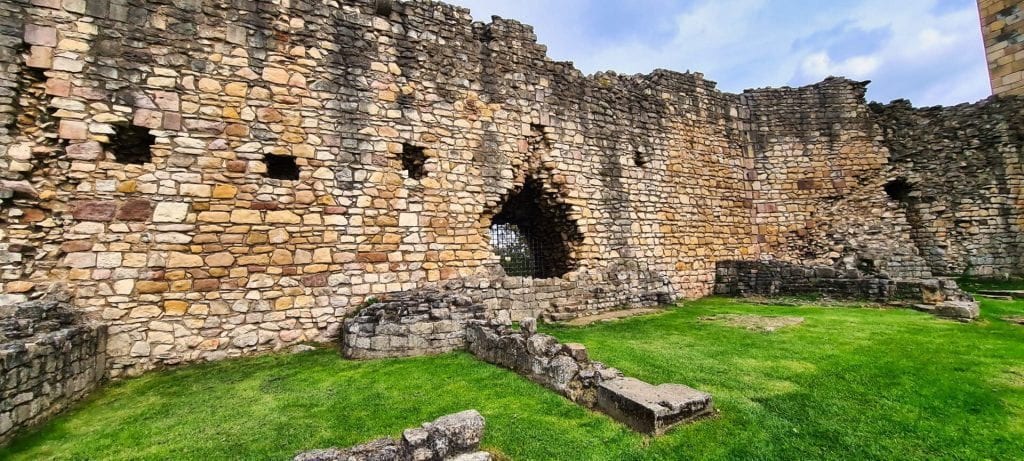
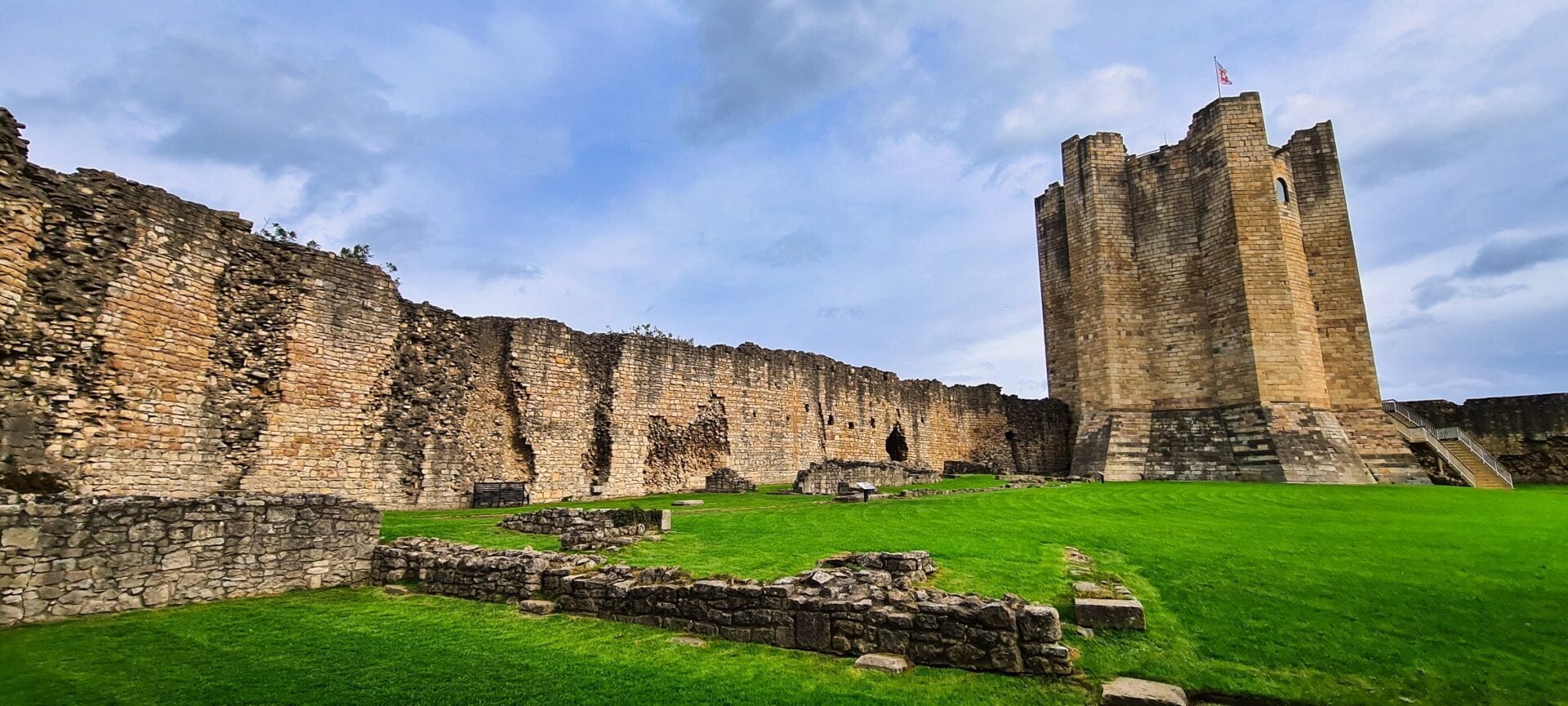
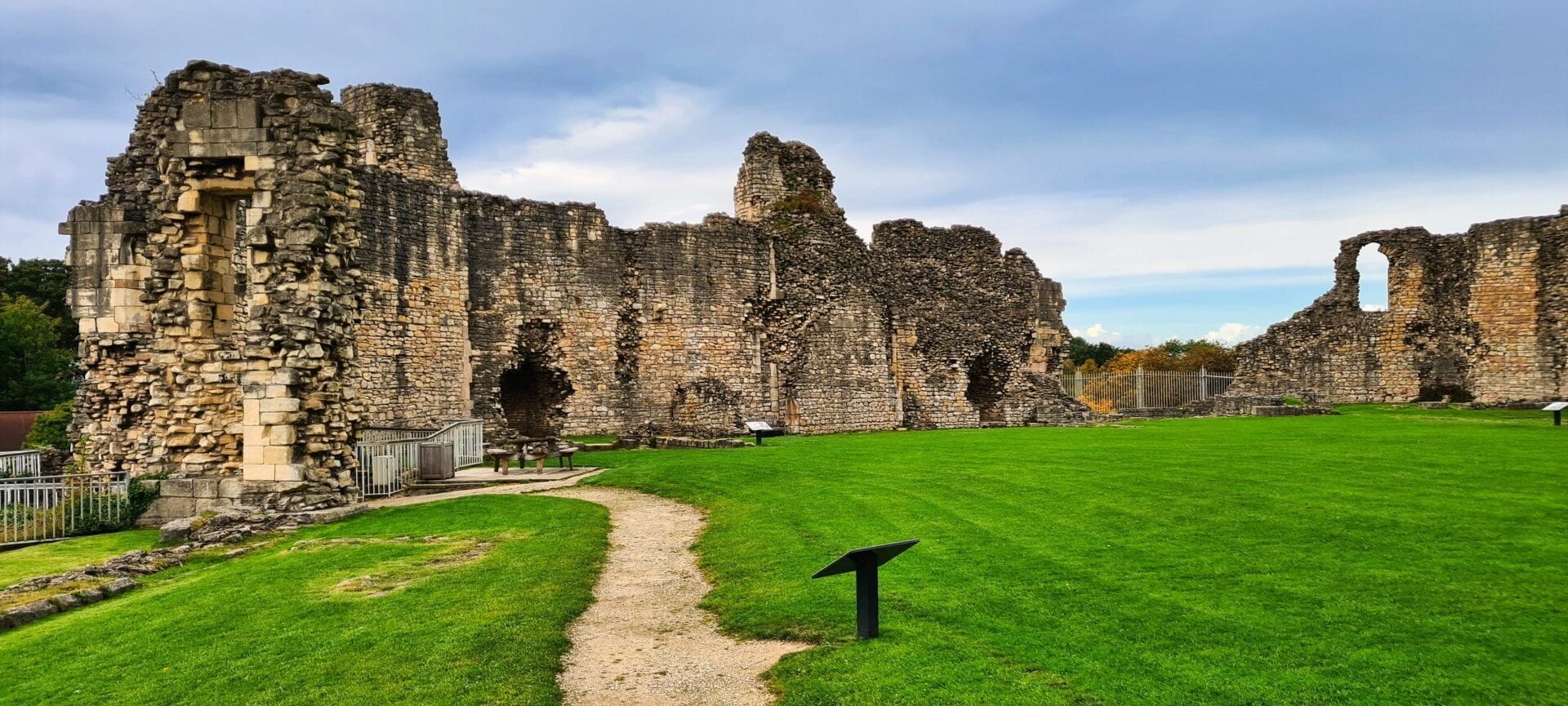
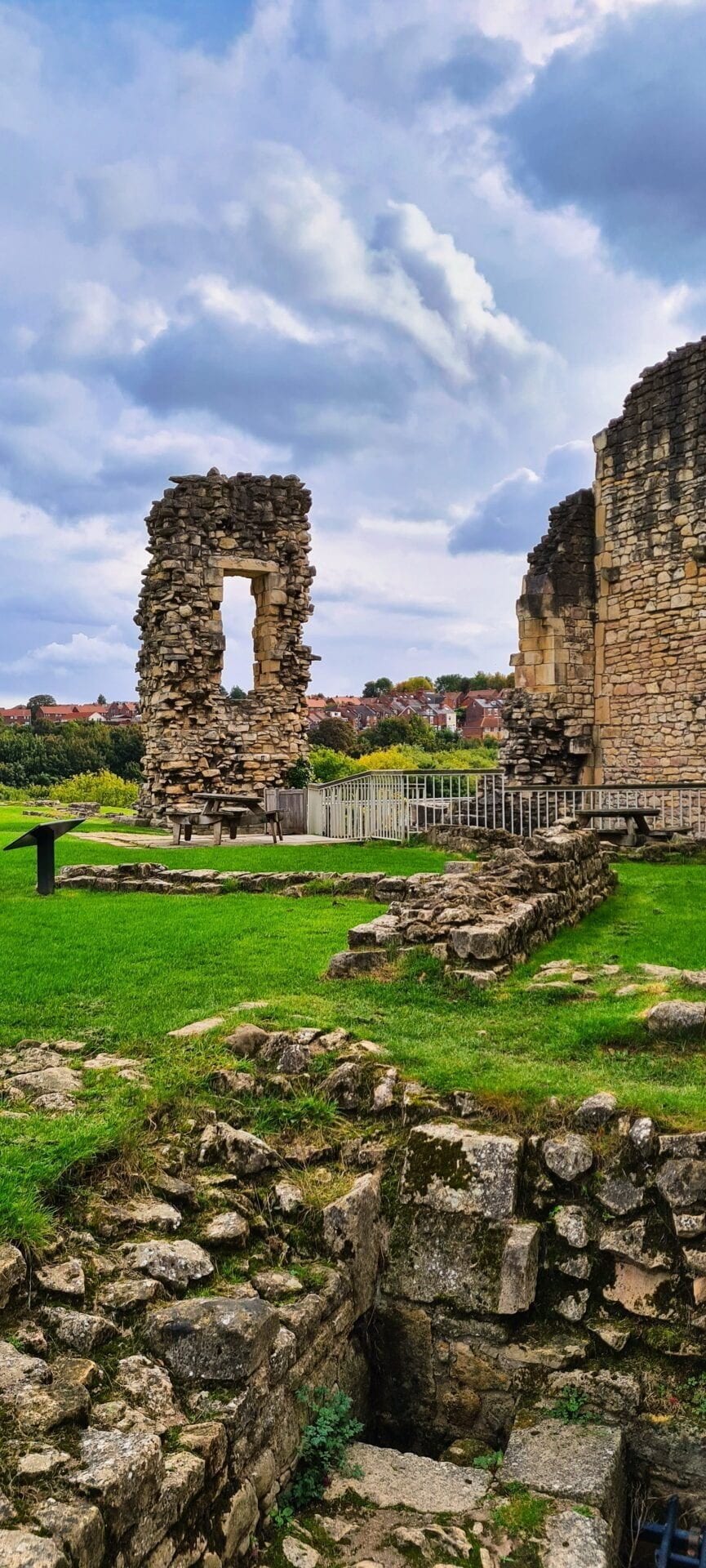
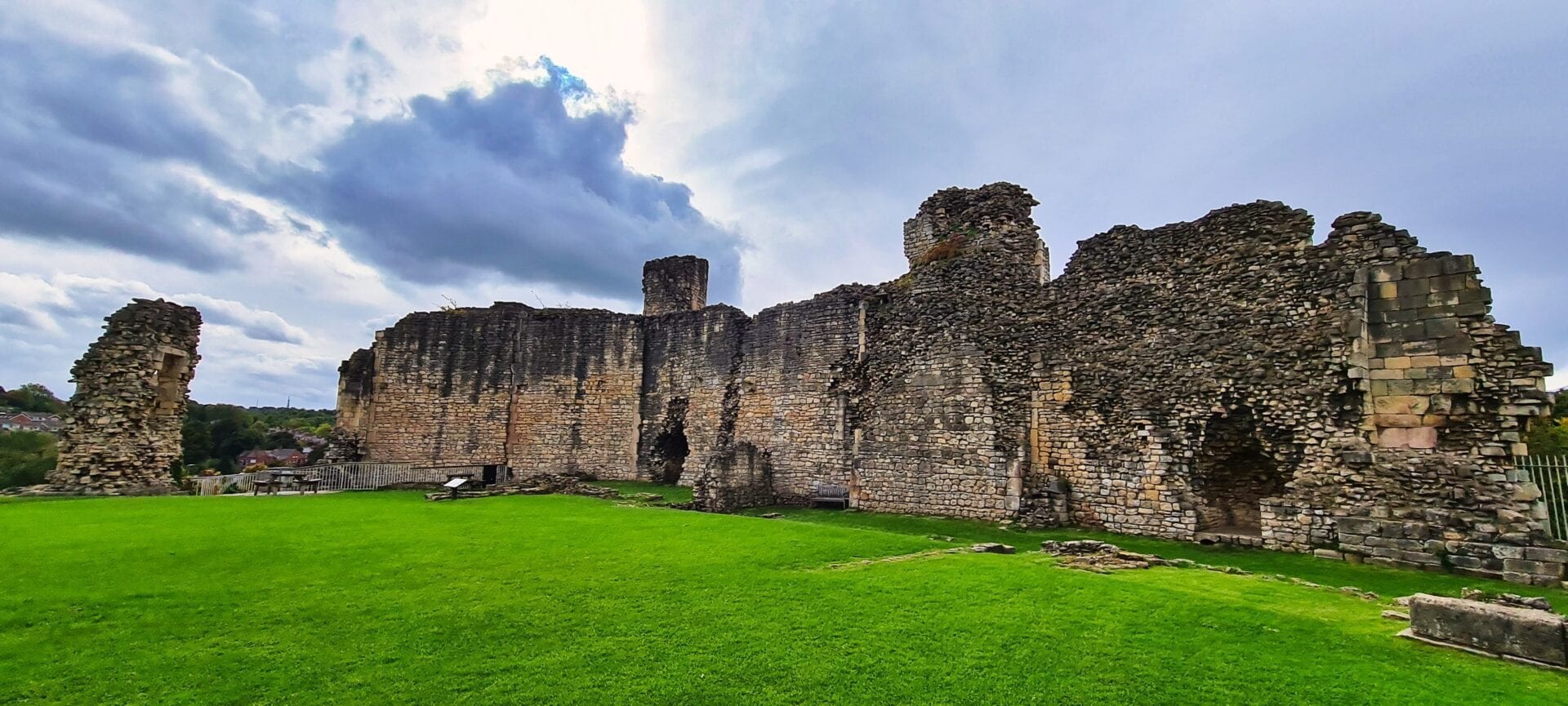
From the visitor centre, a gentle incline leads into the castle grounds. The site is well maintained, and you can wander among the ruins at your own pace. Information boards are placed around the grounds, helping to explain what you are looking at without making the visit feel overly structured.
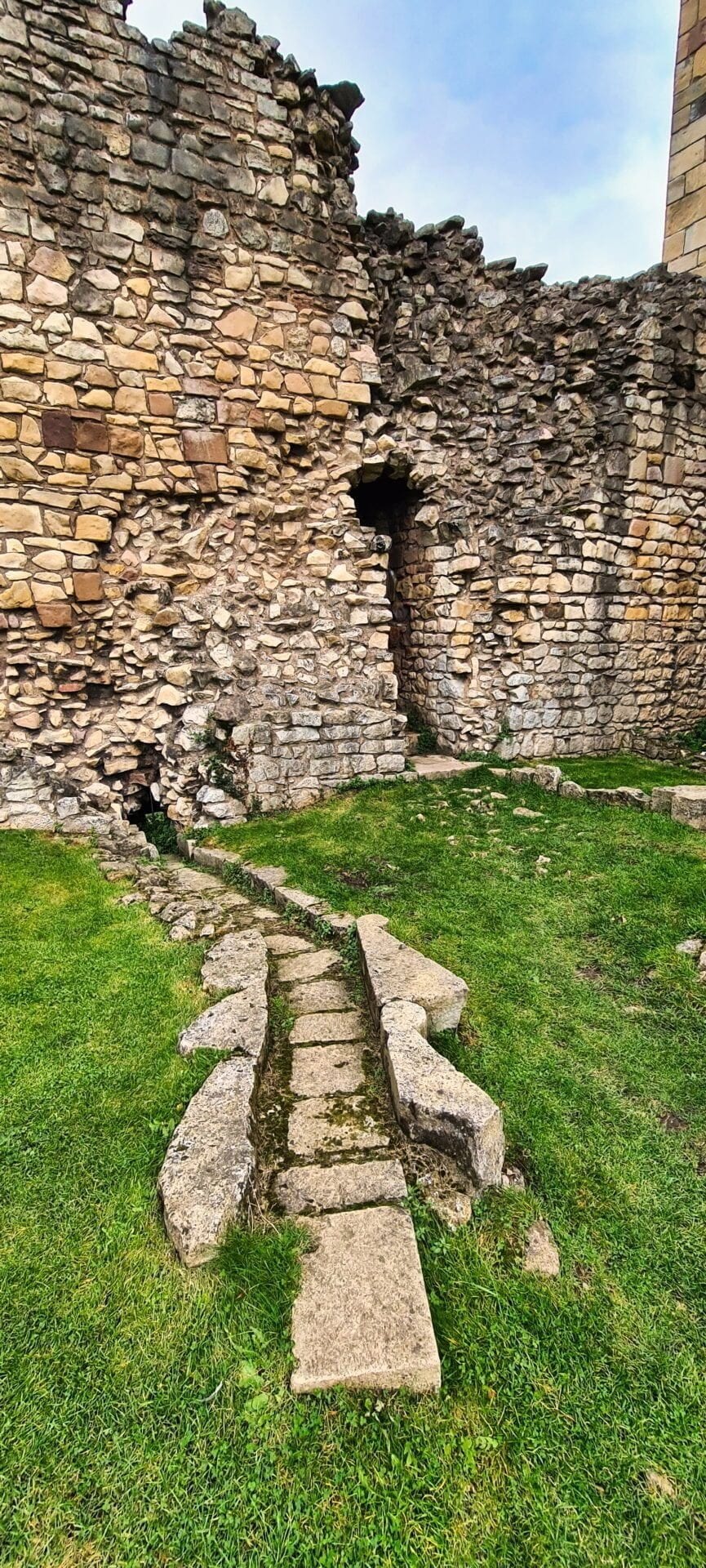
This was the part of the visit where the castle started to feel more real to me. The remains of alcoves, windows, walls, and passageways make you stop and think about how the building would once have worked in everyday use. It is not just a ruin to look at from a distance. You can move through parts of it and get a better sense of the layout.
The Majestic Keep
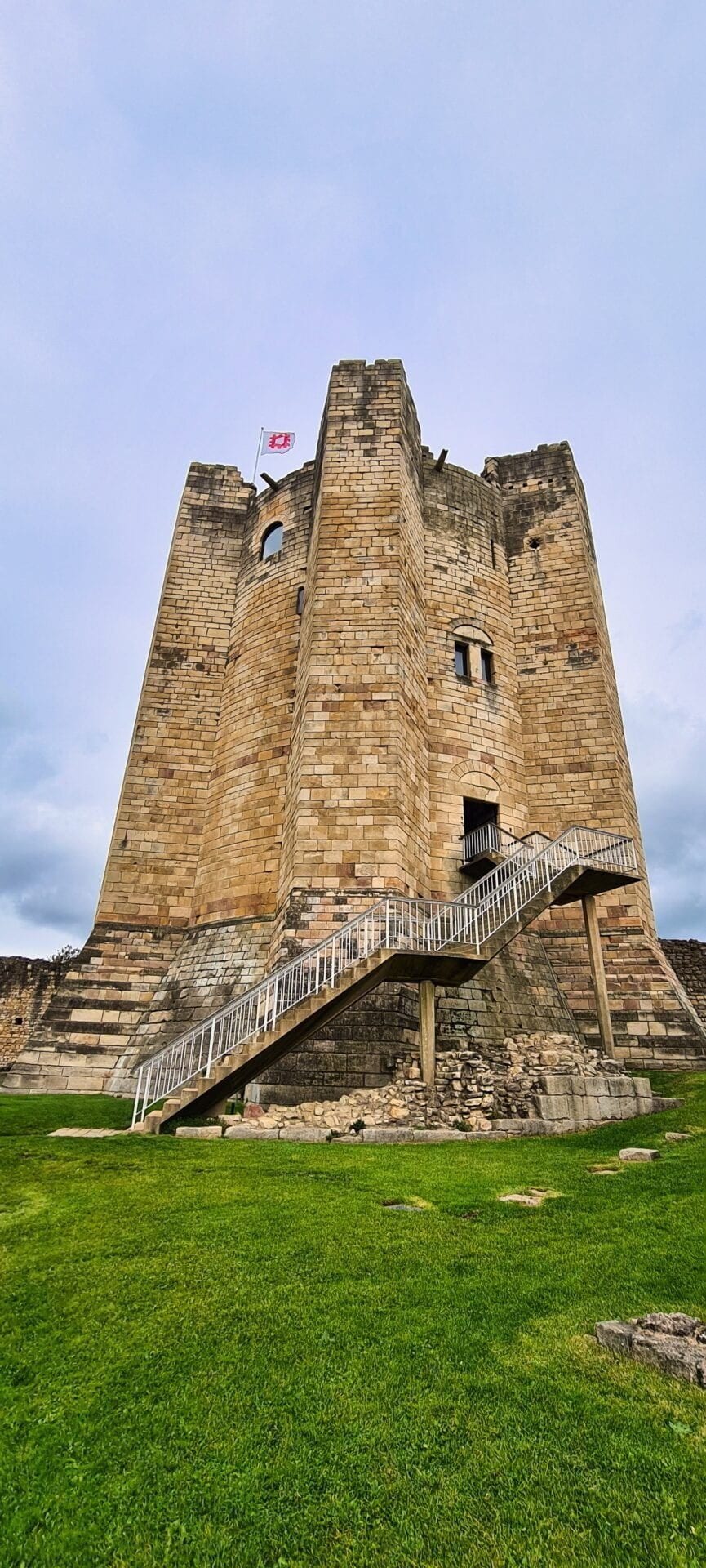
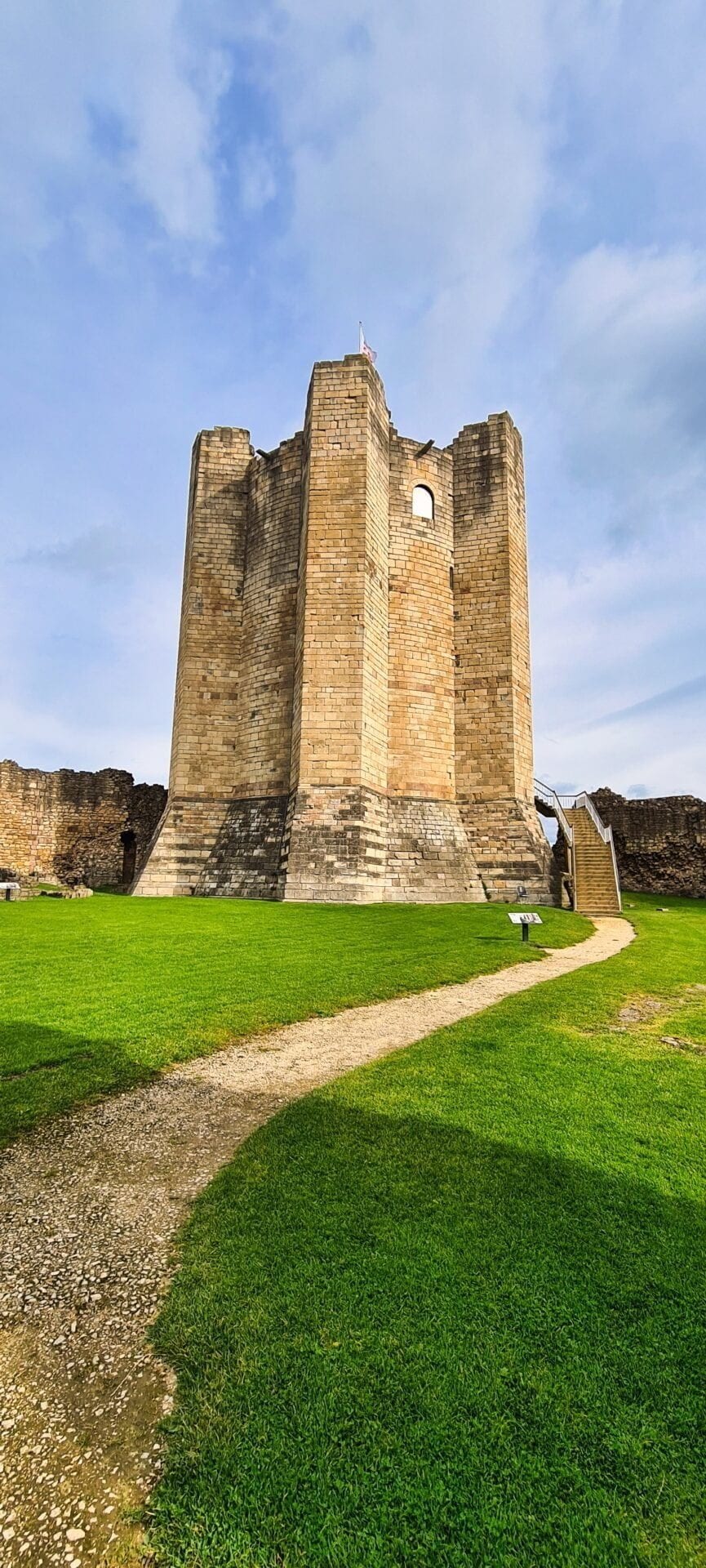
The keep is the main feature of Conisbrough Castle and the part that leaves the strongest impression. Its circular shape makes it stand apart from many other castle ruins, and it still feels substantial when viewed from inside the grounds.
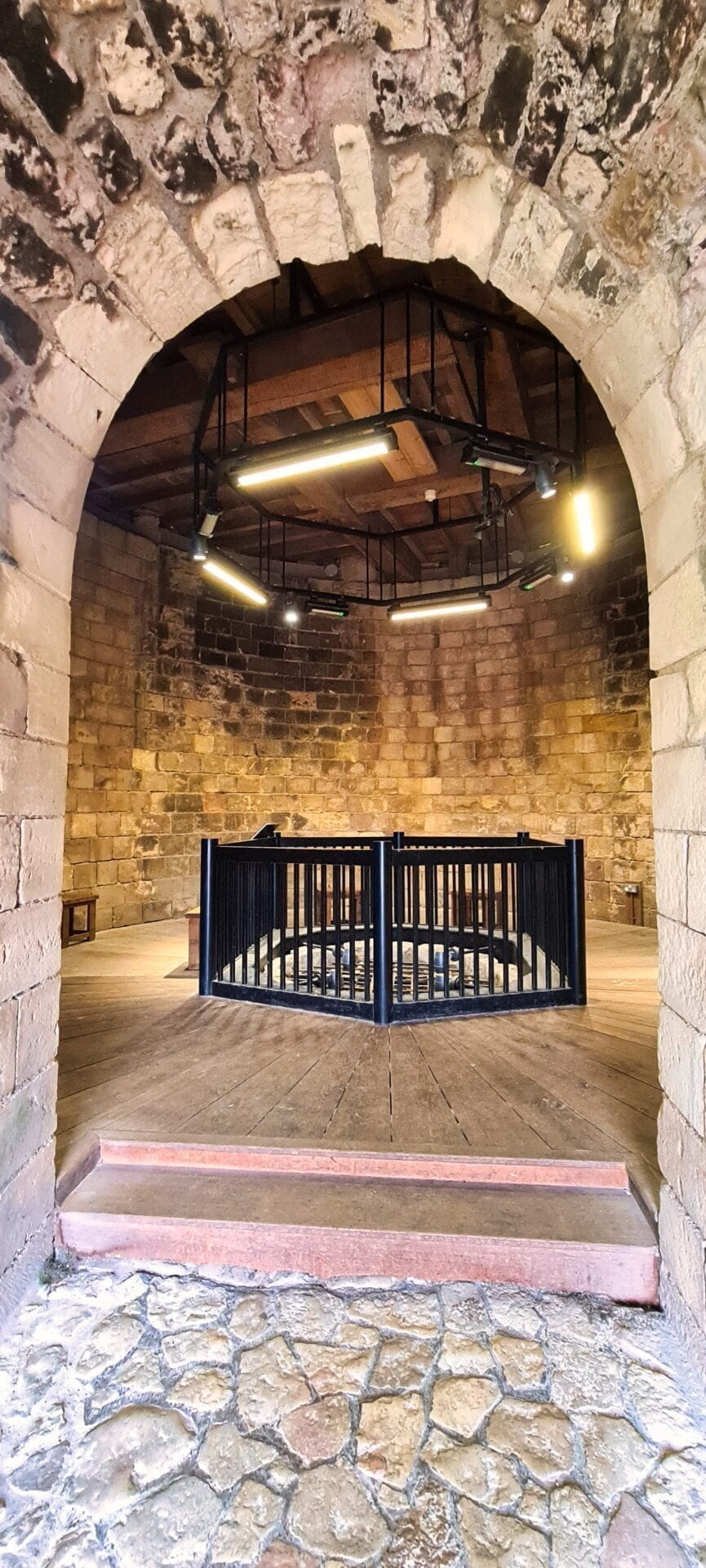
To enter the keep, you climb a series of stairs. These stand in contrast to the rest of the structure and are likely positioned where a drawbridge once gave access. Inside, the first space is a large open-plan room with a wide opening in the floor. Visitors now use this as a wishing well, although it also gives a reminder that the building once had a much more practical purpose.
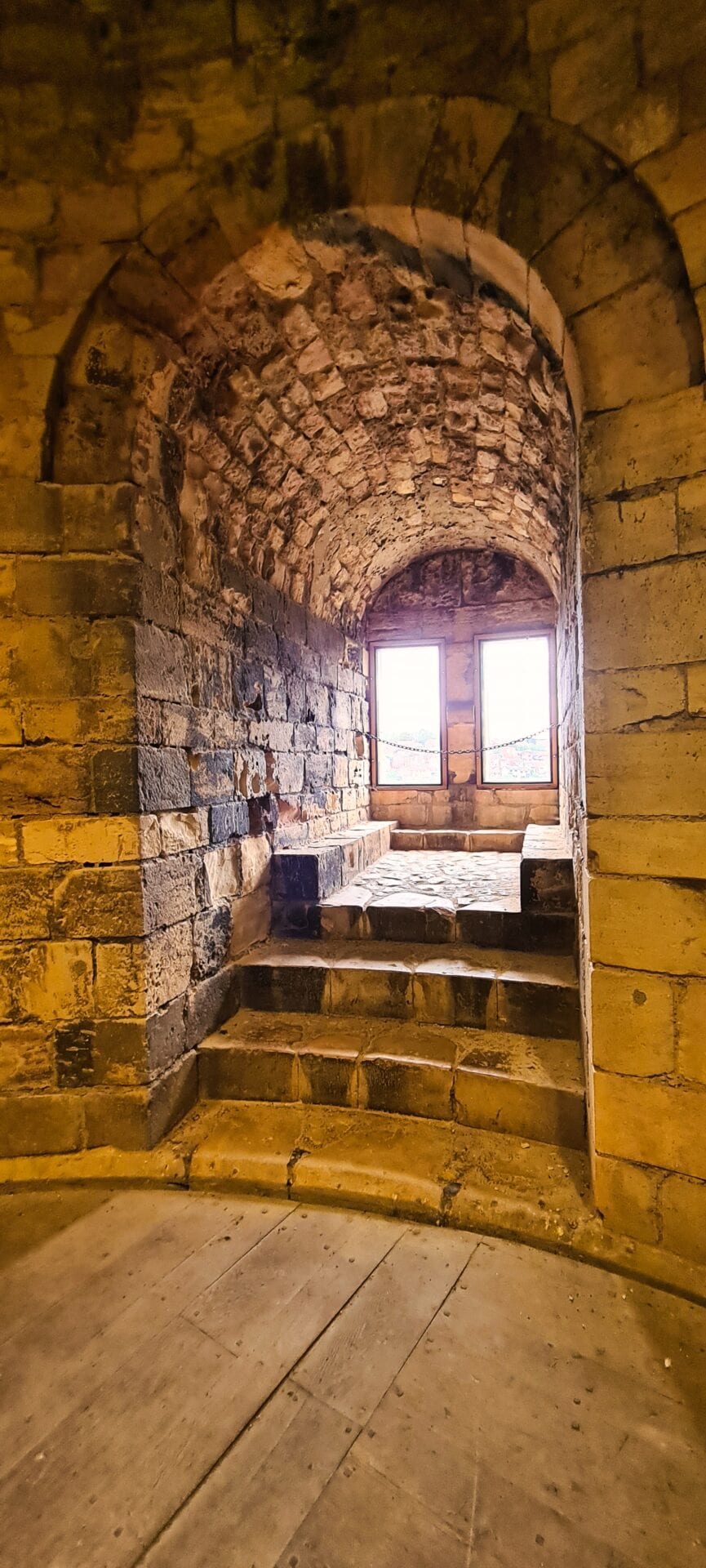
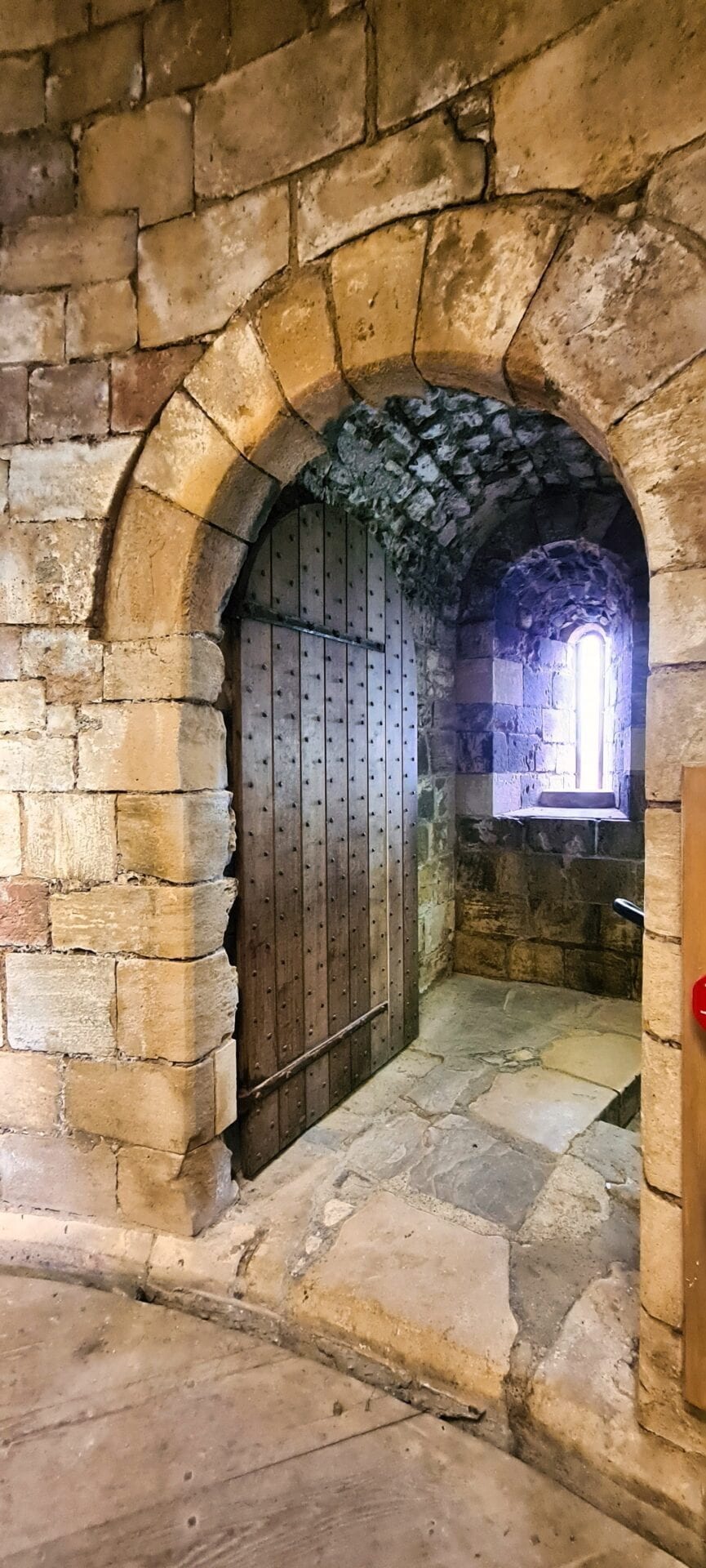
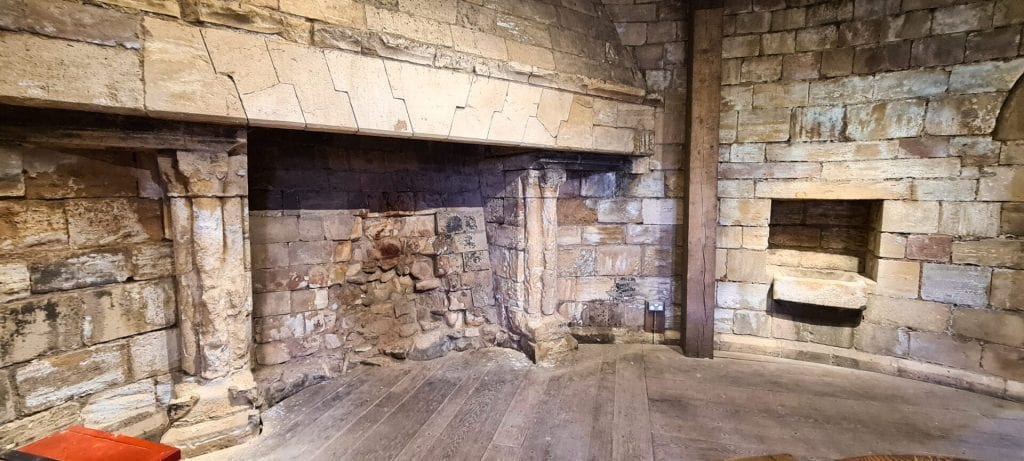
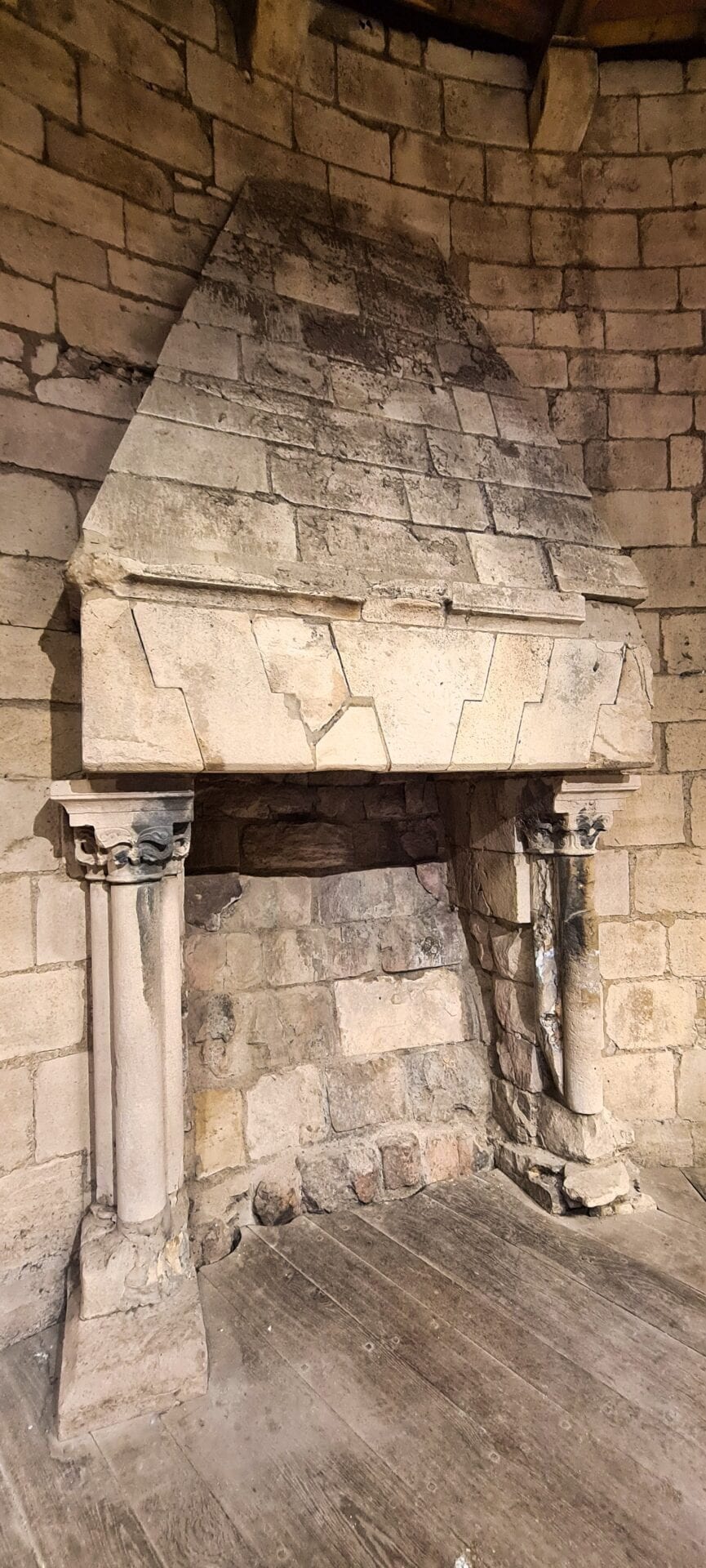
As you continue upwards, there are several rooms to explore. Some have large fireplaces, while smaller chambers sit around the main spaces. One of the most interesting rooms is the chapel, where the stonework is especially detailed and gives a clearer sense of the care that went into parts of the keep.
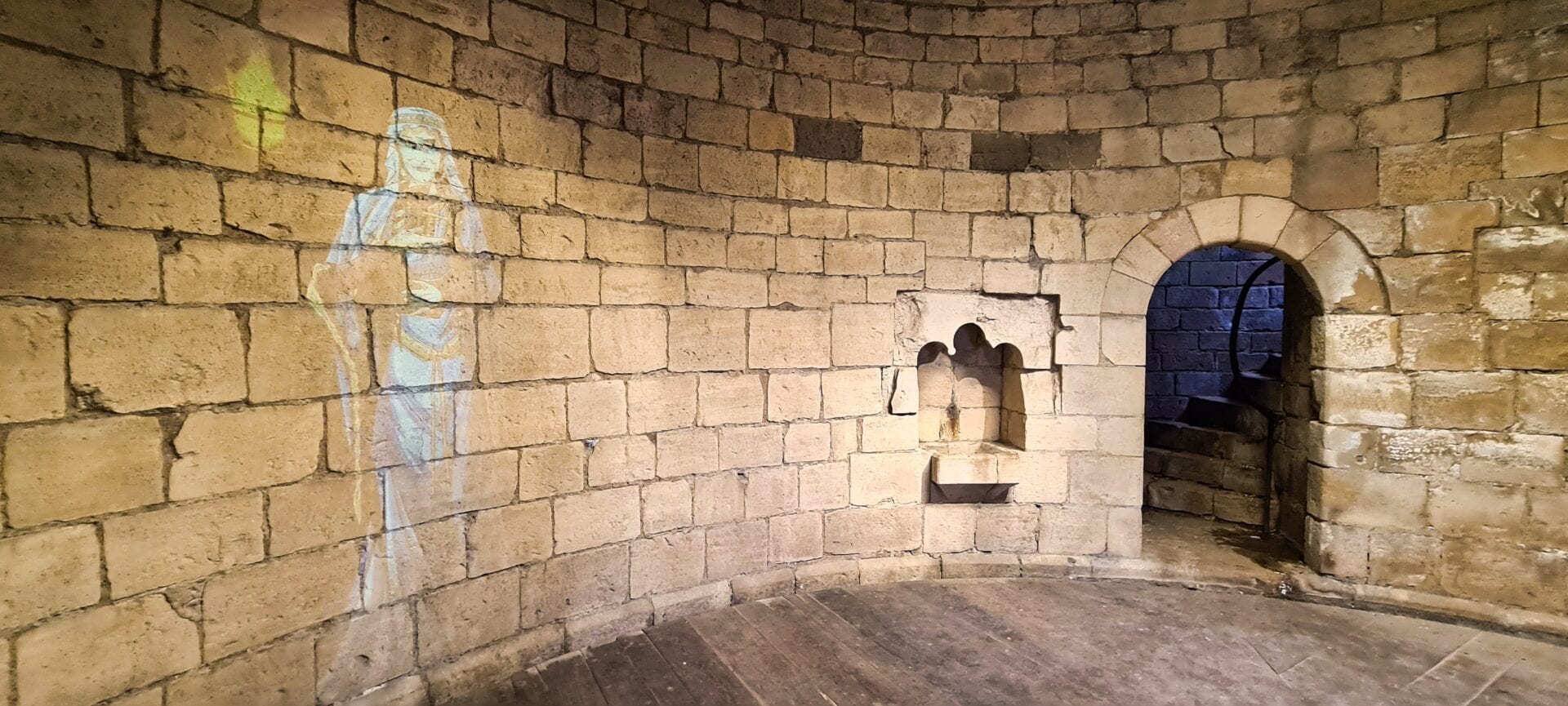
There are also educational videos projected onto the stone walls. These share stories about the castle’s history and the people who lived there, adding useful context without taking away from the atmosphere of the building itself.
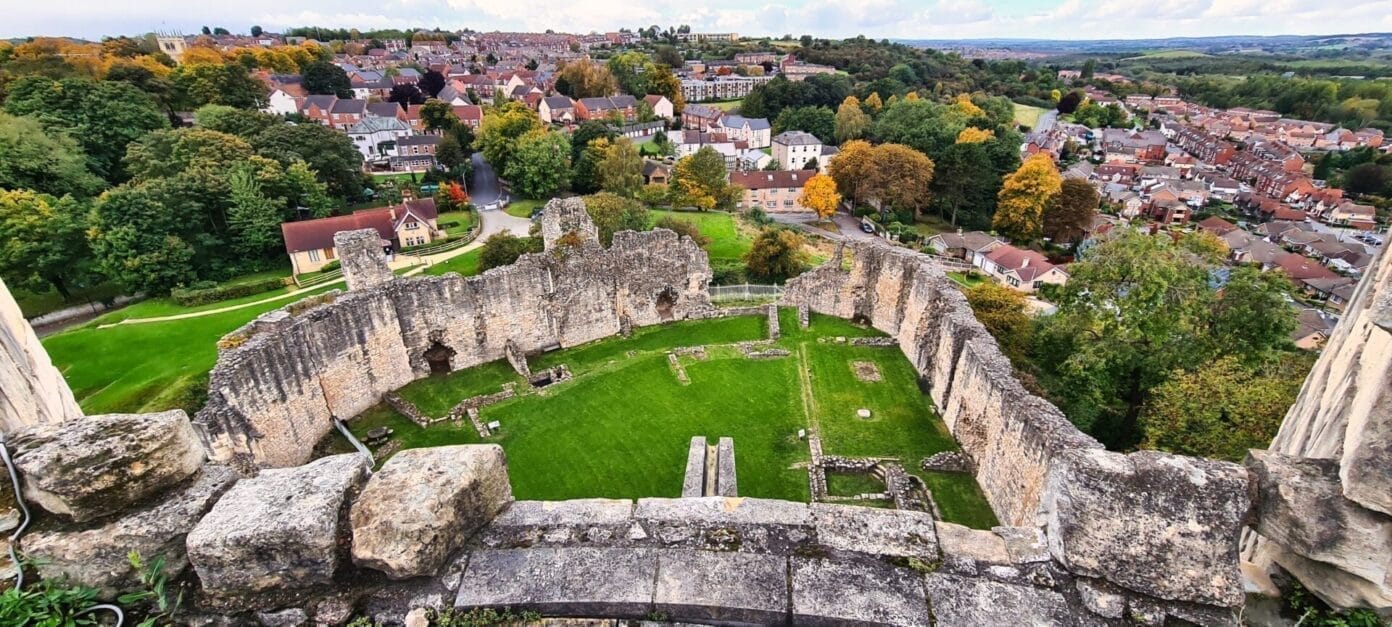
The climb finishes with views out over Conisbrough and the surrounding area. It is a good end point to the visit, giving you a wider sense of why this location mattered and how the castle sat above the town.
Final Thoughts on Visiting Conisbrough Castle
Conisbrough Castle is a worthwhile stop if you are interested in history, architecture, or simple days out that do not need to be overplanned. It has enough structure to keep the visit informative, but enough open space to let you explore at your own pace.
For families, it offers an educational visit without feeling too heavy. For history lovers, the keep and the surviving stonework are the main draw. For anyone passing through South Yorkshire in a car, van, or campervan, it is the kind of place that can fit neatly into an afternoon.
Conisbrough Castle can be found at Castle Hill, Conisbrough, Doncaster, South Yorkshire, DN12 3BU.
If you would like to visit, you can book tickets through English Heritage before you travel. It is worth checking the latest opening times, ticket availability, and booking requirements before setting off.