
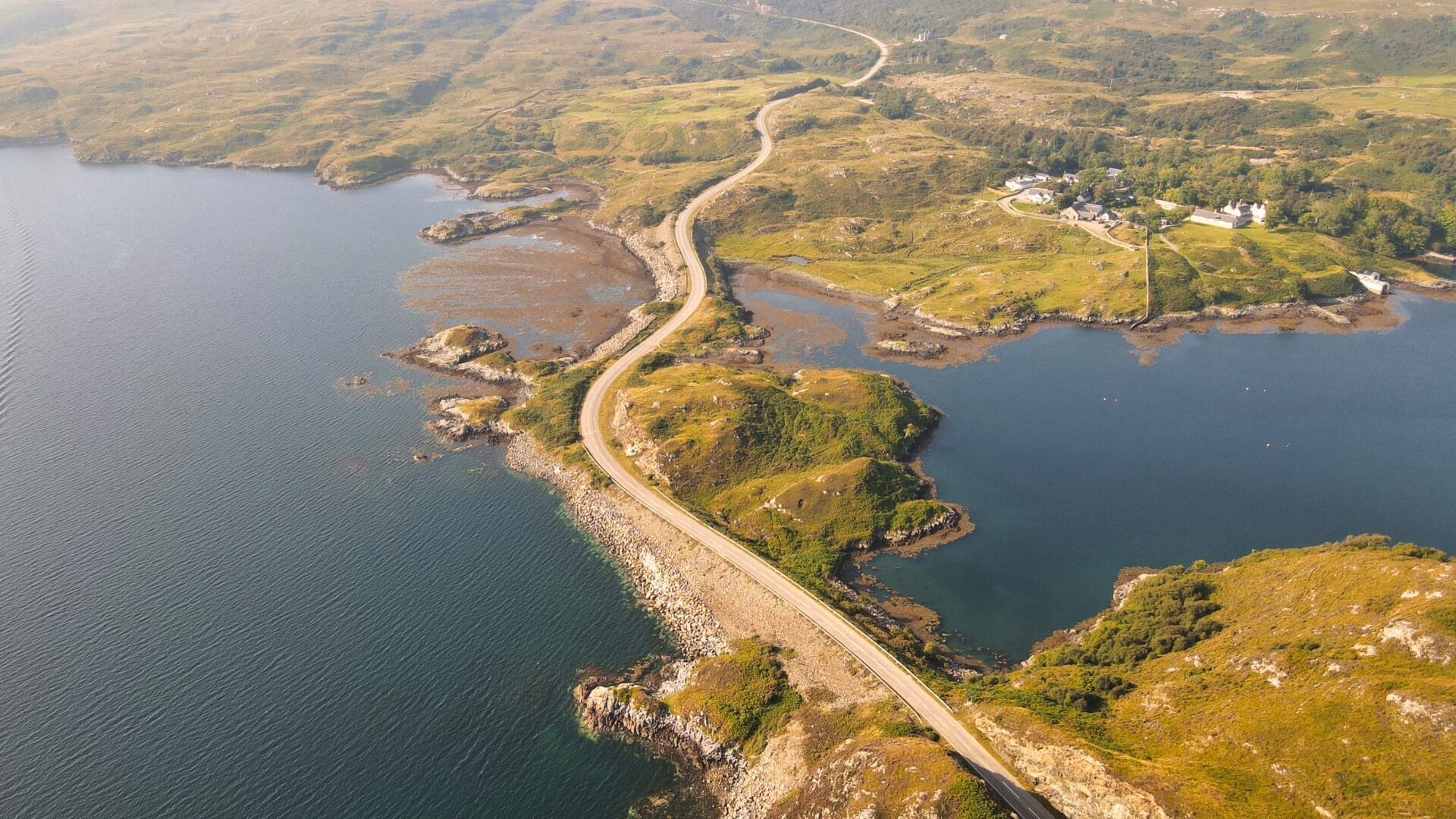
As the world cautiously began to open up again after the first phase of the 2020 pandemic, Scotland’s North Coast 500 felt like the right place to return to travel. I set off over the August Bank Holiday, not long after restrictions had eased, for a journey that felt part road trip, part reset.
This was not a normal trip. Campsites, restaurants, attractions and local communities were all adjusting to a different way of doing things. That changed the pace of the journey. It made us think more carefully about where we stopped, how we moved through places and how much space we gave to others.
For anyone planning a North Coast 500 trip, whether by car, van or campervan, that slower approach still has value. The route is not just about covering miles. It works best when you leave time for quiet beaches, short walks, coastal viewpoints and the smaller places that can easily be rushed.
Traversing the Highlands with Care
The trip carried the shared awareness of a world adapting to new habits. Social distancing shaped many of our decisions, from choosing quieter campsites and booking on the day, to keeping our interactions with locals and other travellers brief, respectful and considered.
That added an unexpected calm to the journey. Scotland’s landscapes felt more open and more personal, not because they were ours, but because there was space to notice them properly. The quieter roads and stops gave the trip a reflective feel that suited the Highlands well.
Travelling this way also reminded me how important it is to be flexible on the North Coast 500. Plans can change quickly, especially when you are moving from place to place each day. For van and campervan travellers, that flexibility is useful, but it also comes with responsibility. It helps to think ahead about where you will stop, how busy an area might be and whether your vehicle is suited to the places you want to visit.
Embracing Scotland’s Natural and Historical Tapestry
Our route was dotted with places that seemed to be waiting quietly to be rediscovered. The Falls of Foyers had a more subdued atmosphere than I expected. The sound and movement of the water stood out more in the stillness, and it made the stop feel less like a quick tick on a route and more like a proper pause.
Fairy Glen offered a similar sense of escape. Its natural formations and peaceful setting made it a good place to slow down and walk without feeling rushed. For walkers, couples and families, places like this are useful reminders that the North Coast 500 is not only about long drives and viewpoints. Some of the best moments come from getting out of the vehicle and taking time on foot.
Rosemarkie brought a gentler change of pace, with a quiet beach experience that suited an unhurried stop. Brora Beach offered broader sands, gentle waves and enough space for a peaceful walk or time with a camera. These were the kind of places that worked well for different types of travellers: road-trippers wanting a break, families needing room to move, couples looking for a quieter stop and dog walkers wanting open coastal space.
The historical side of the route came through strongly at Castle Sinclair Girnigoe. The ruins felt more atmospheric in the quiet, standing as a reminder of how much history sits along this coastline. It was a good contrast to the beaches and waterfalls, and it helped give the trip more depth than scenery alone.
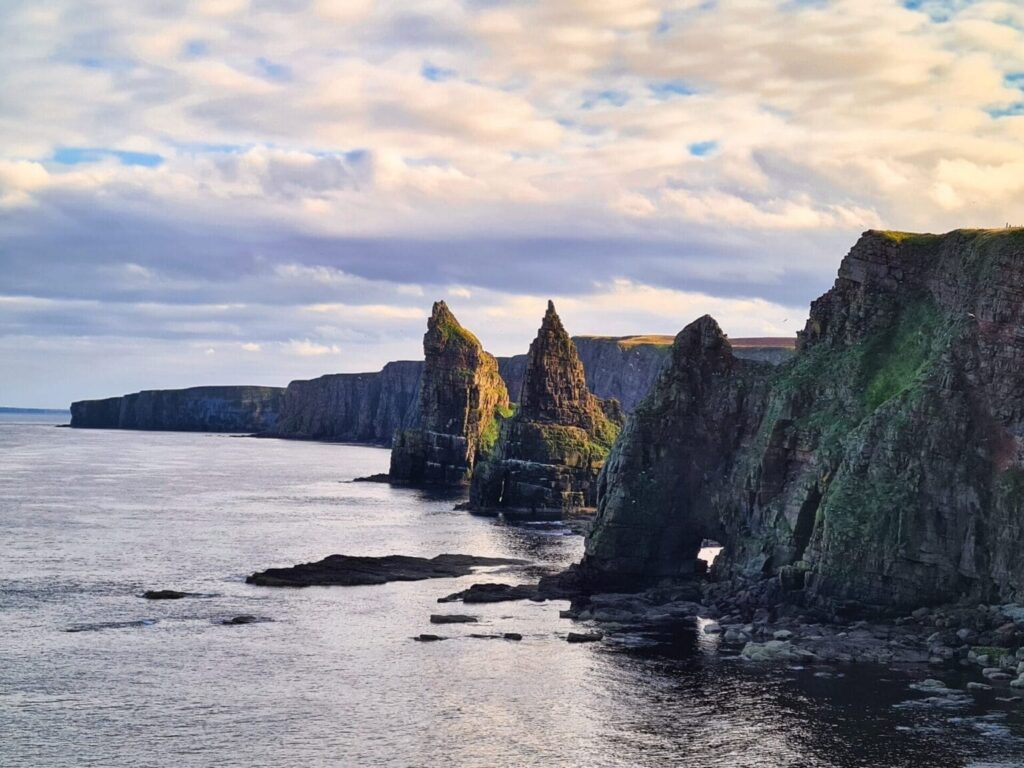
At Duncansby Head, the sea stacks and cliffside views gave the journey a real sense of scale. It is the kind of stop where the landscape does most of the talking. For photographers, walkers and general visitors, it offers a clear reason to get out, take your time and look properly at the coastline rather than treating it as another point on the map.
Wildlife Encounters and Local Delights
One of the most memorable parts of the trip was dolphin spotting at Chanonry Point. Seeing dolphins in their own environment was both humbling and exciting, especially at a time when distance and respect for space were already at the front of everyone’s mind.
It was a reminder that wildlife stops need patience. They are not guaranteed experiences, and that is part of what makes them worthwhile. The best approach is to allow time, keep a respectful distance and accept the place for what it offers on the day.
A meal in Thurso later in the trip brought a welcome sense of normality. Local eateries were adapting to new safety measures, and there was something reassuring about sitting down for Scottish food after days of moving through beaches, ruins, viewpoints and small settlements. It gave the journey a more human side and showed how local communities were finding ways to keep going.
Navigating the New Normal on the Road
Travelling during this period required more adaptability than usual. We had to stay aware of changing guidance, think carefully about where we stopped and be considerate in places that were still finding their balance after restrictions eased.
Visiting in late August would normally mean sharing the North Coast 500 with plenty of other tourists. On this trip, the atmosphere was much quieter. That gave us more space to experience the Highlands, but it also made the responsibility of travelling respectfully feel more obvious.
For anyone travelling the route by van or campervan, this is where the practical side matters. A larger vehicle can make the journey comfortable and flexible, but it also means thinking more carefully about access, stopping places and how your presence affects smaller communities. Even in a car, the same principle applies: slow down, plan sensibly and avoid treating the route as something to be rushed.
Reflecting on a Journey of Rediscovery
This journey, taken under the shadow of a global pause, was more than a simple road trip. It reminded me why Scotland stays with people. The North Coast 500 offered coastal views, historic places, wildlife encounters and quiet walking stops, but it also gave us a way to reconnect with travel at a time when that felt uncertain.
The trip reaffirmed my love for Scotland and deepened my appreciation for small moments of connection, whether with the landscape, local places or the people who live and work along the route.
For travellers planning the North Coast 500, the main lesson I took from this journey is simple: give it time. Leave room for pauses. Respect the places you pass through. Whether you are travelling by car, walking sections, taking the dog, visiting as a couple or exploring by van or campervan, the route is better when it is approached with care rather than urgency.