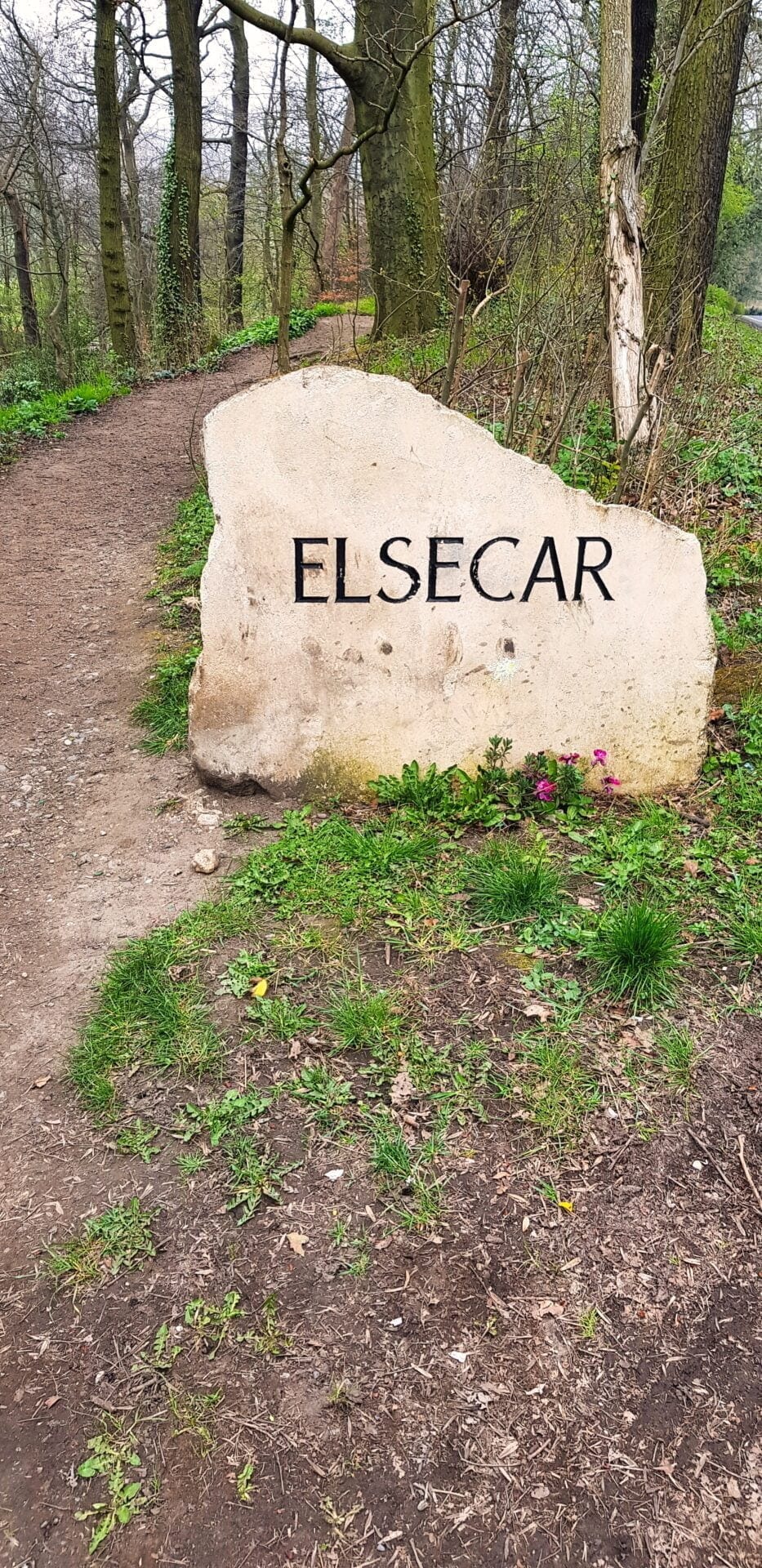
Elsecar is a small village in South Yorkshire, around eight miles south of Barnsley, and it makes an easy day out if you fancy a mixture of walking, local history and somewhere interesting to have a wander.
It is not somewhere that needs a packed itinerary. Most of what interested us was close enough together to explore at a relaxed pace, with the old industrial buildings, village streets, canal, countryside and Heritage Centre all giving us reasons to stop rather than rush through.
For anyone travelling through South Yorkshire by car, van or campervan, it also works well as a straightforward stop between bigger destinations. You do not need to be particularly interested in vanlife to enjoy it though. The real appeal is simply having several different things to see without having to cover a huge area.
Elsecar’s Industrial Heritage
Elsecar’s past is closely tied to coal mining and ironworking, and that history is still easy to spot as you walk around the village. It is not all contained inside one museum. Old buildings and surviving industrial structures sit alongside the places people use today, which gives Elsecar much of its character.
One of the important surviving sites is Hemingfield Colliery, also known as Elsecar Low Colliery. The colliery was developed in the 1840s and, although it is no longer operational, its surviving pithead buildings are a reminder of how important coal mining once was to this part of South Yorkshire.
That industrial background makes the walk around Elsecar more interesting. Even if you are not somebody who would normally seek out industrial history, knowing what the buildings were used for adds a bit more meaning to what you are looking at.
Walking Around Elsecar
Elsecar is also an easy place to combine with a walk. The Trans Pennine Trail passes through the village, so there is the option to extend your day without needing to plan an elaborate route.
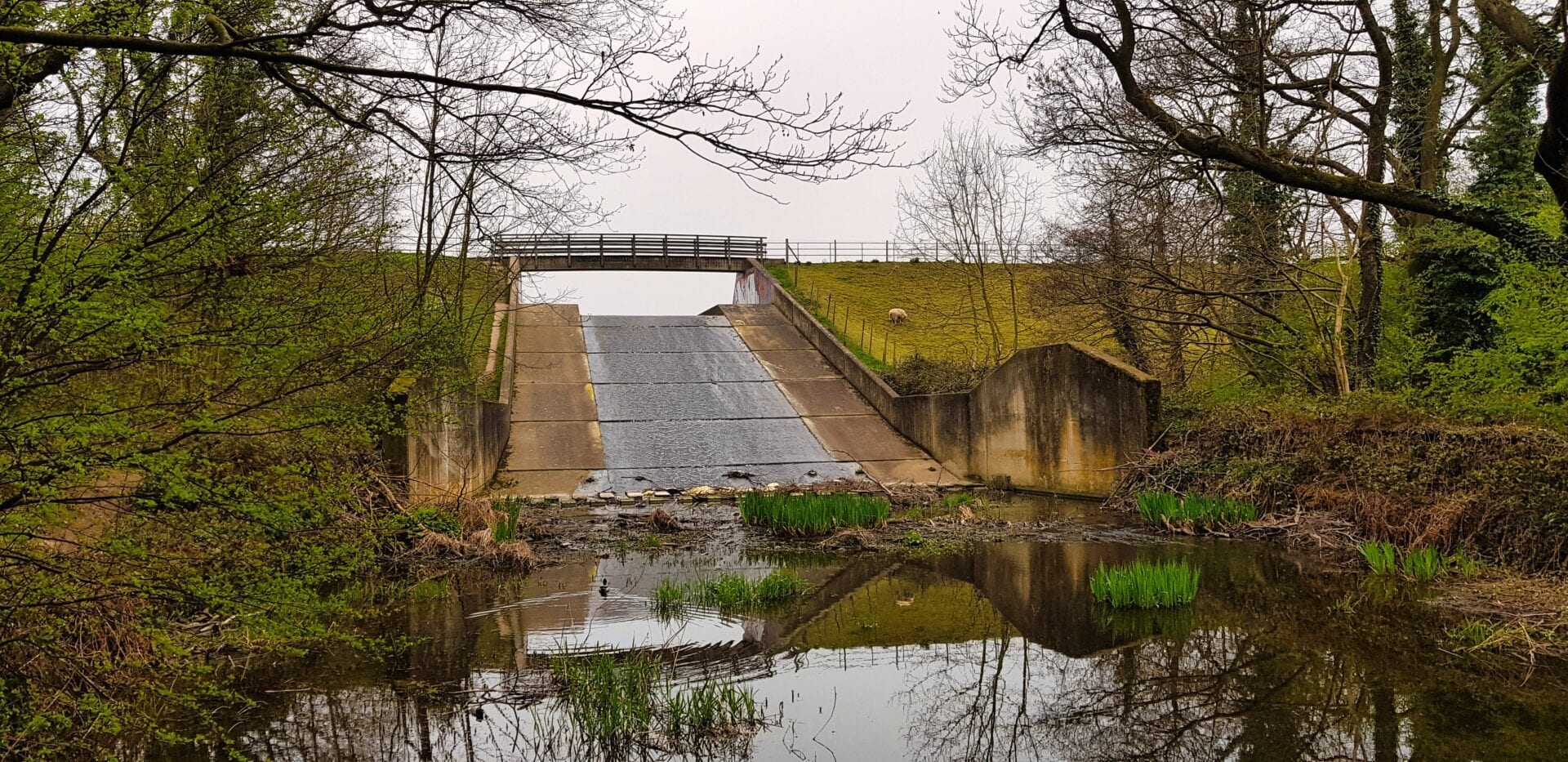
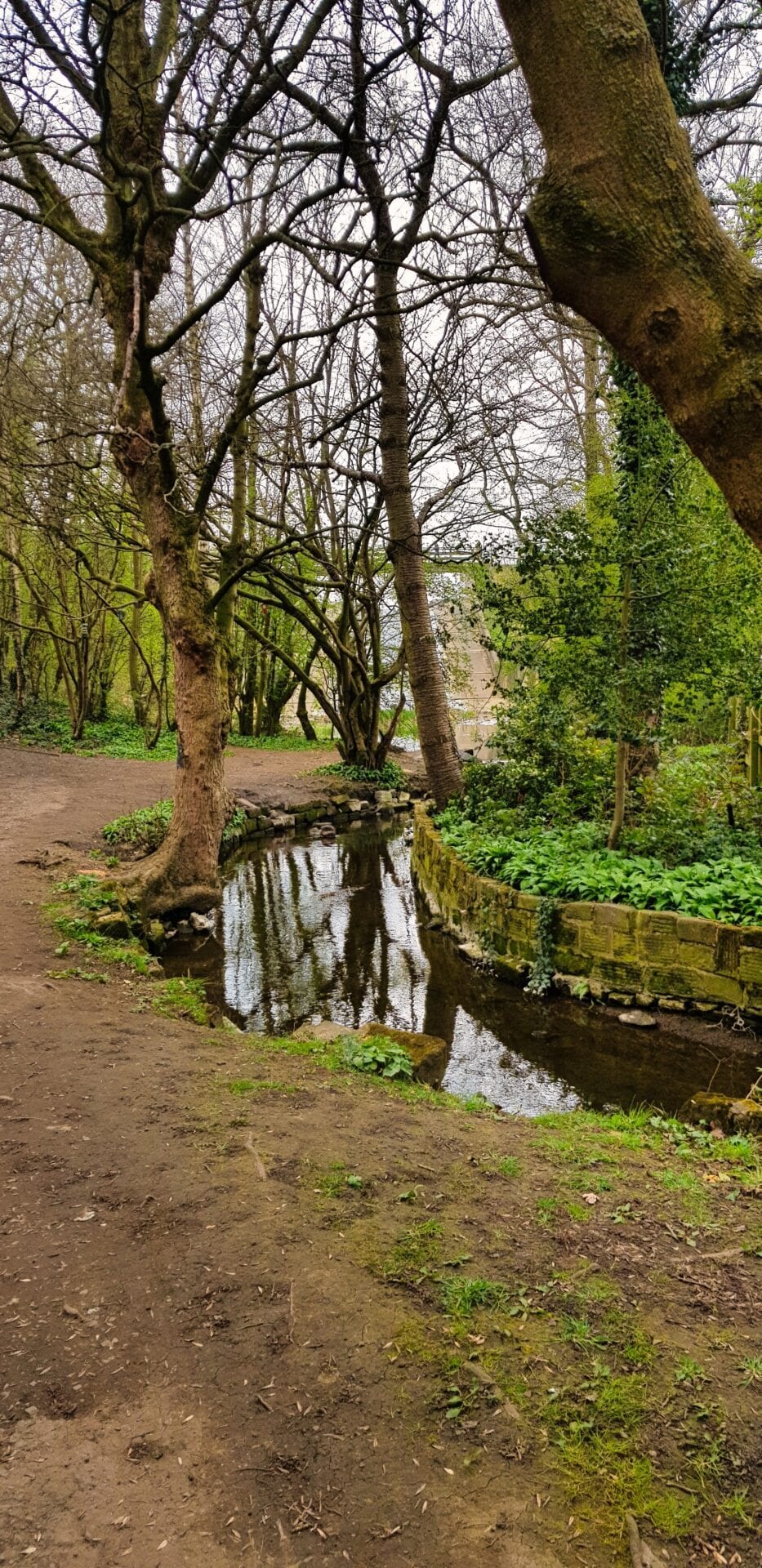
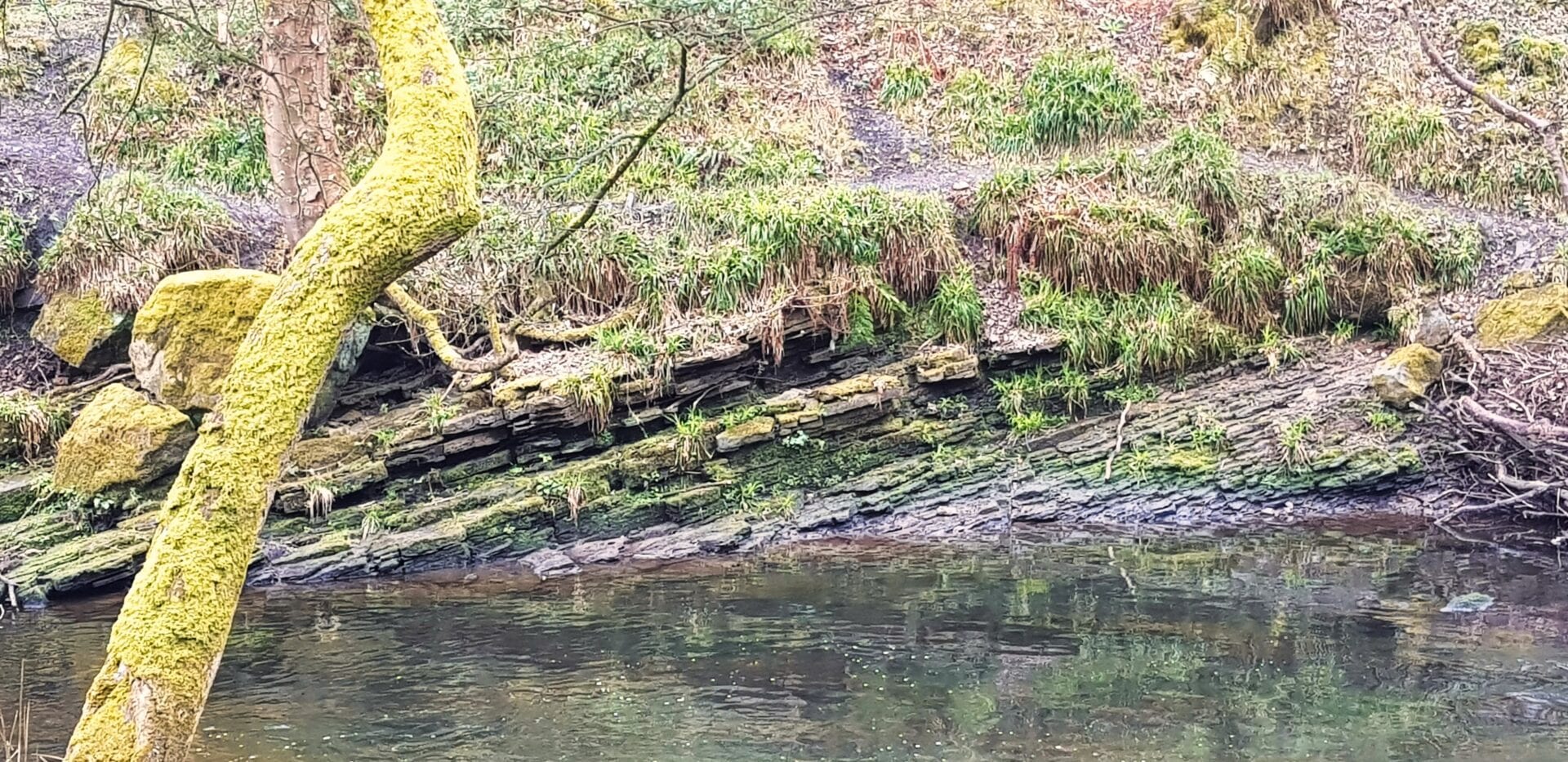
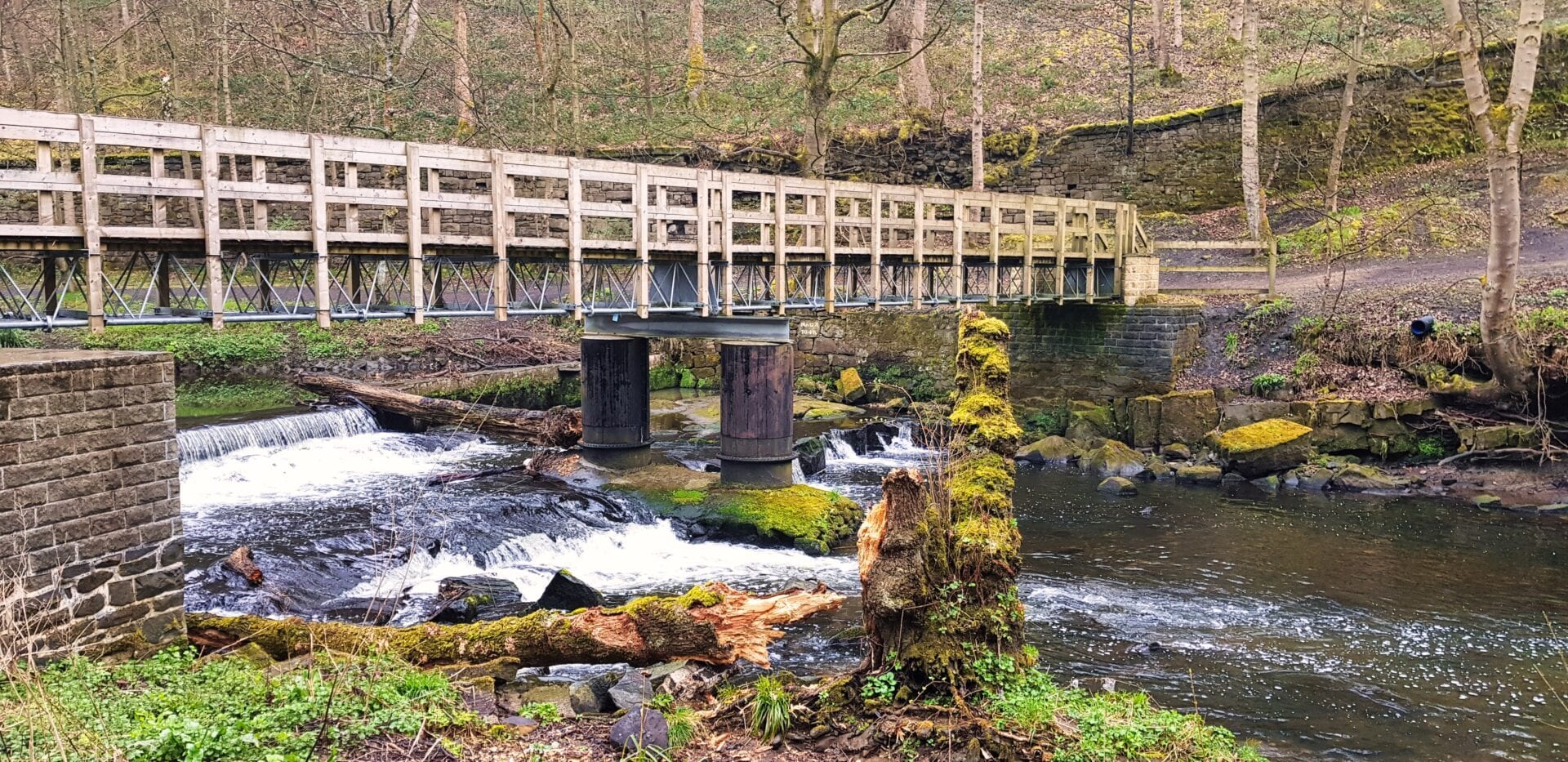
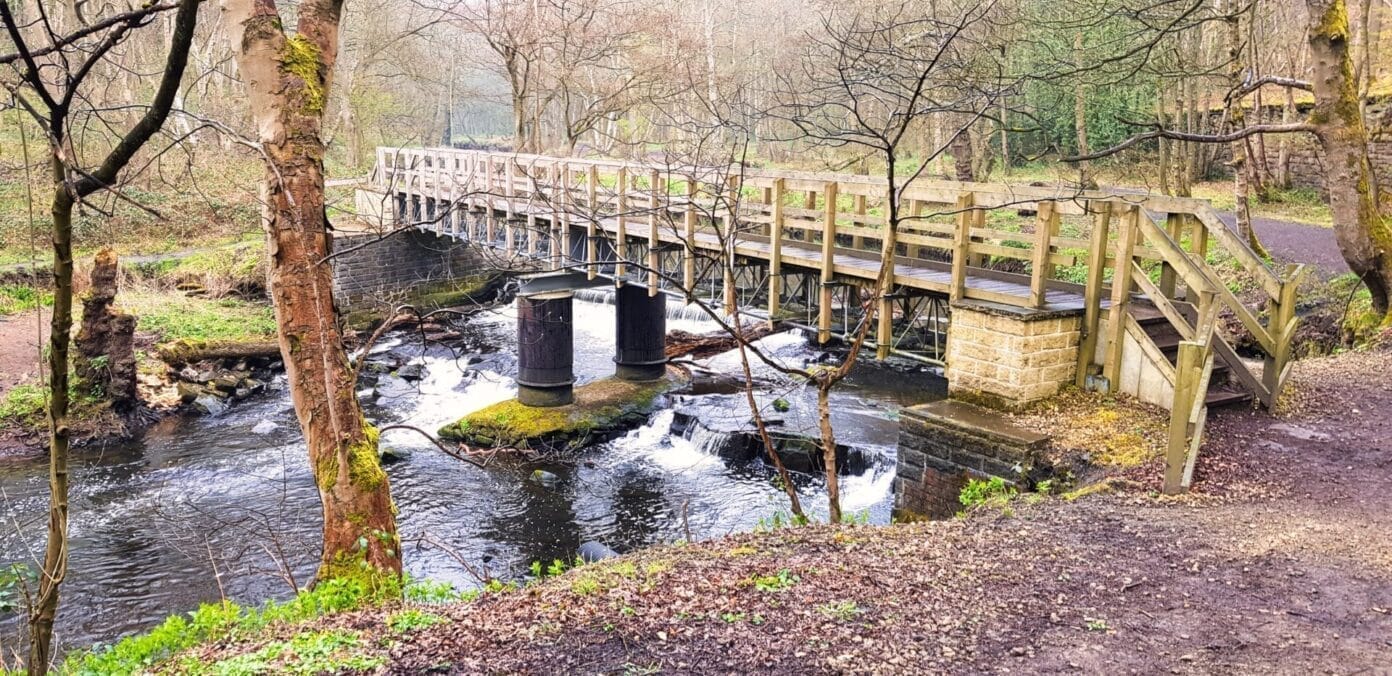
You can keep things gentle with a stroll beside the canal or head further out into the surrounding countryside if you want a longer walk. We kept things fairly relaxed and spent time wandering around the village, looking at the stone cottages and taking in the quieter pace.
It is the kind of place that suits slow wandering rather than rushing from one attraction to the next. That worked particularly well for us because the walking felt like part of the visit rather than simply a way of getting between places.
The Newcomen Beam Engine
One of Elsecar’s most unusual pieces of industrial history is its Newcomen beam engine. Built in 1795, it was used to pump water from the mines and is particularly significant because it is the only surviving Newcomen engine still in its original location.
The engine and its surroundings form a Scheduled Monument, and seeing it in the place where it actually worked makes it easier to understand its scale and purpose. Rather than being an isolated museum exhibit, it still feels connected to the mining landscape it was built to serve.
You do not need to know anything about steam engines to appreciate it. For us, it was another detail that stopped Elsecar feeling like a village where the industrial history had simply disappeared behind newer development.
Elsecar Heritage Centre
Our walk eventually brought us to Elsecar Heritage Centre, housed in the former ironworks and colliery workshops. This is the main visitor hub and an easy place to spend a good part of your visit.
There is a mixture of independent shops, craft studios and other small businesses to browse. The Antiques Centre is particularly substantial, with more than 100 traders spread across two floors, so there is far more to look through than a quick glance from the doorway might suggest.
A market was also taking place while we were there. We found stalls selling handmade jewellery, artwork, homemade preserves and other locally made products. The stallholders were friendly and happy to chat about what they had made, which gave the market a much more personal feel than simply walking along rows of stands.
The market was part of our particular visit rather than something we would assume is there every day, so it is worth checking what is on if that is something you especially want to see.
Admission to the Heritage Centre is free, although individual businesses have their own opening times. That makes it easy to treat the centre as part of a wider day exploring Elsecar rather than feeling that you need to spend a set amount of time there.
Elsecar Heritage Railway
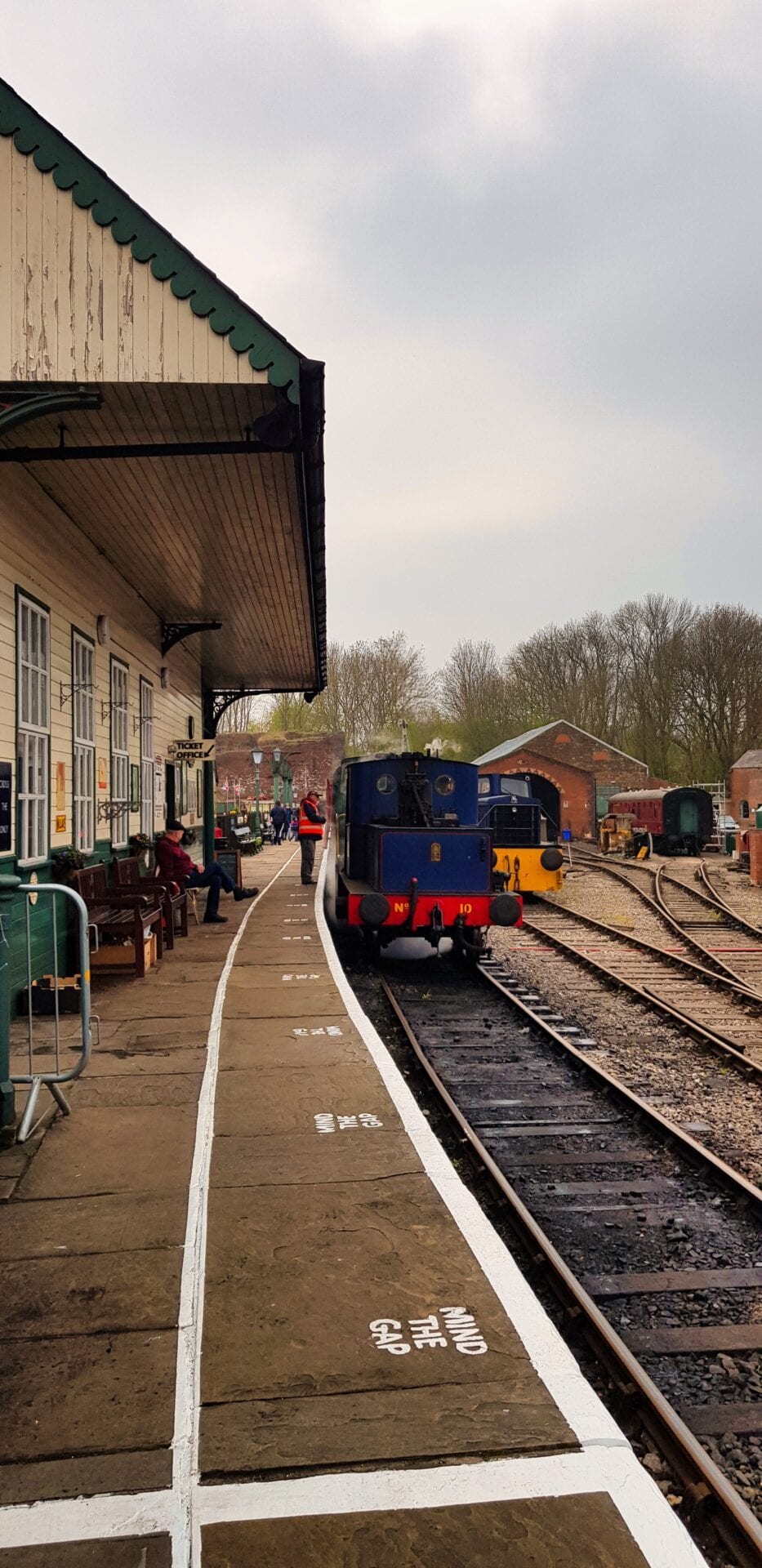
The highlight of our trip was the heritage steam railway. Run by volunteers, it gives you the chance to climb aboard an old carriage and travel behind a steam locomotive.
We enjoyed the atmosphere as much as the journey itself. Boarding the old carriages and hearing the train set off has a simple nostalgia to it, and it fits well with everything else you have been seeing around Elsecar.
That said, the track is quite short. The train travelled backwards and forwards a few times, and we did find the actual journey slightly underwhelming compared with some longer heritage railway trips.
That did not make it a bad experience. We still enjoyed it, but it is better thought of as one part of a day at Elsecar rather than a long steam railway journey in its own right. If you are visiting with children, railway enthusiasts or simply somebody who enjoys old trains, there is still plenty of charm in it.
Is Elsecar Worth Visiting?
For us, yes, particularly if you like places where you can mix a bit of history with an easy walk and some unhurried browsing.
Elsecar is not a big, polished destination, and that is part of its appeal. We could wander through the village, follow some of its industrial history, spend time at the Heritage Centre and then add the steam railway without the day ever feeling over-planned.
The Trans Pennine Trail and canal also mean walkers can make more of the visit, while families, couples and anyone simply looking for a few relaxed hours in South Yorkshire have enough variety without needing to move constantly from one attraction to another.
For us travelling by van, Elsecar fitted comfortably into a wider road trip through the area. It gave us something genuinely different from a simple rest stop, but equally it did not demand that we build the whole day around it. A few hours of history, walking, browsing and a short steam train ride was about the right balance.
Visitor information
- Location: Elsecar Heritage Centre, Wath Road, Elsecar, Barnsley, South Yorkshire, S74 8HJ
- Getting there: From Barnsley, follow routes south towards Hoyland and Elsecar. The Heritage Centre is on Wath Road.
- Google Maps: Open the verified visitor access point in Google Maps
- what3words: ///scoop.buffoon.bleak
- Website: Official visitor information
- VanVentures Verdict: A relaxed South Yorkshire day stop combining industrial heritage, easy walking and local browsing, with the steam railway best treated as a short addition rather than the main reason to visit.
- VanVentures Rating: ★★★★☆ (4/5)