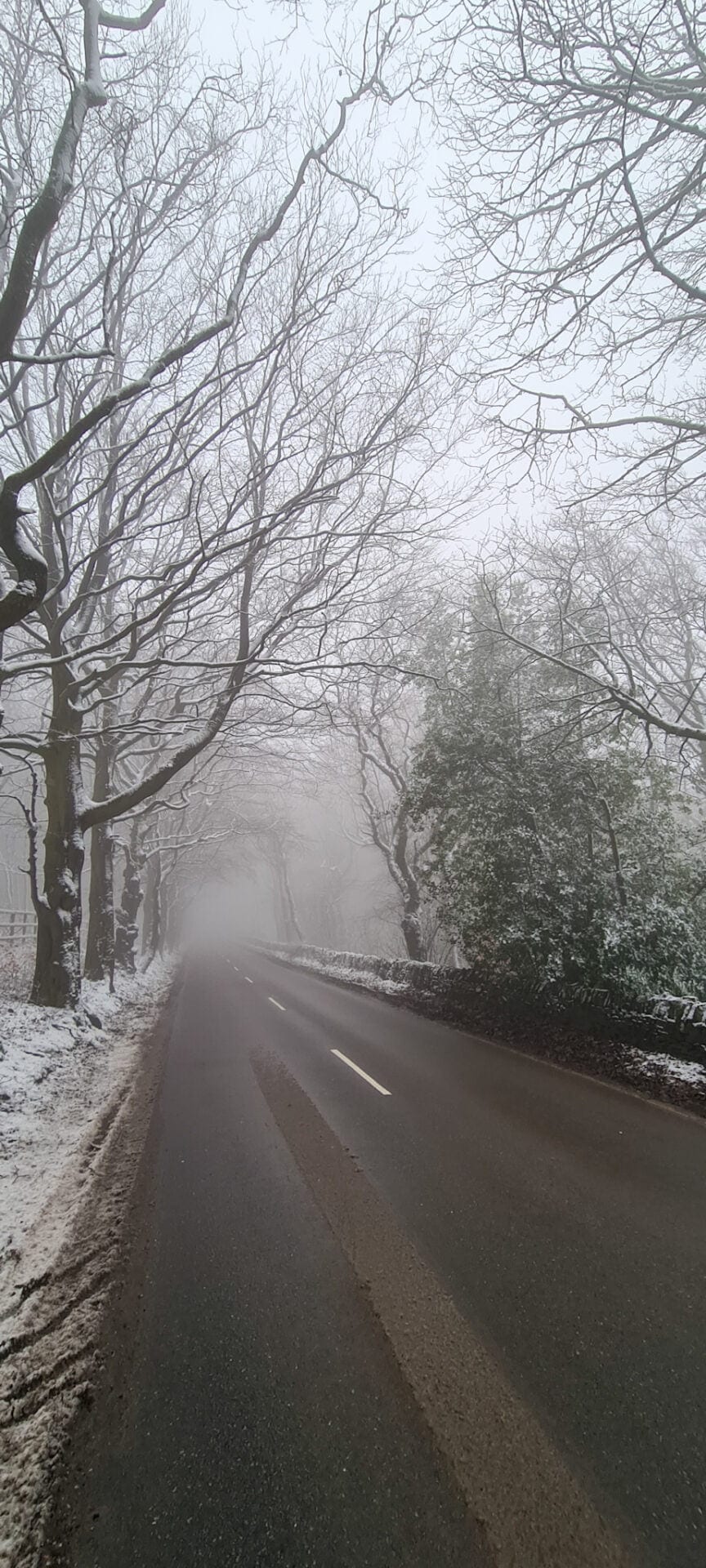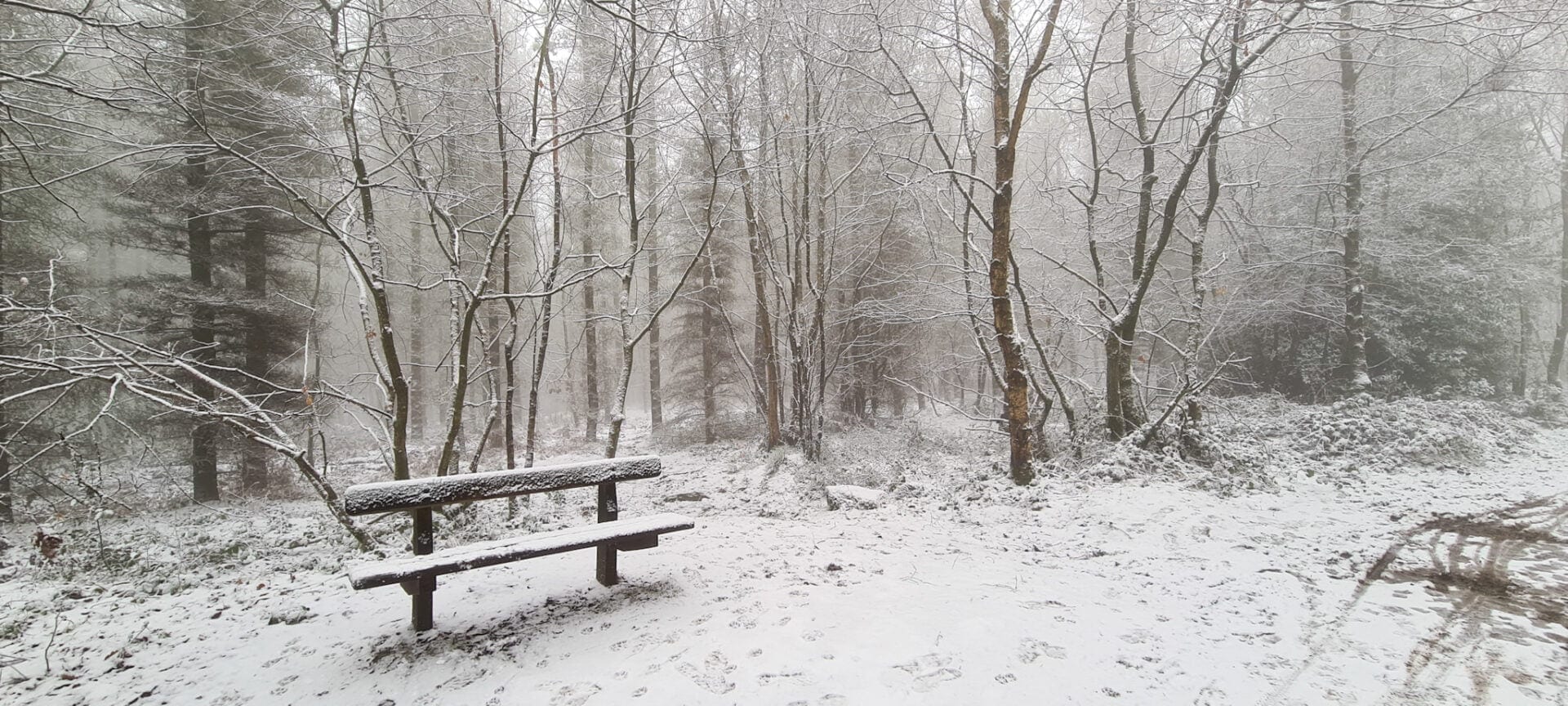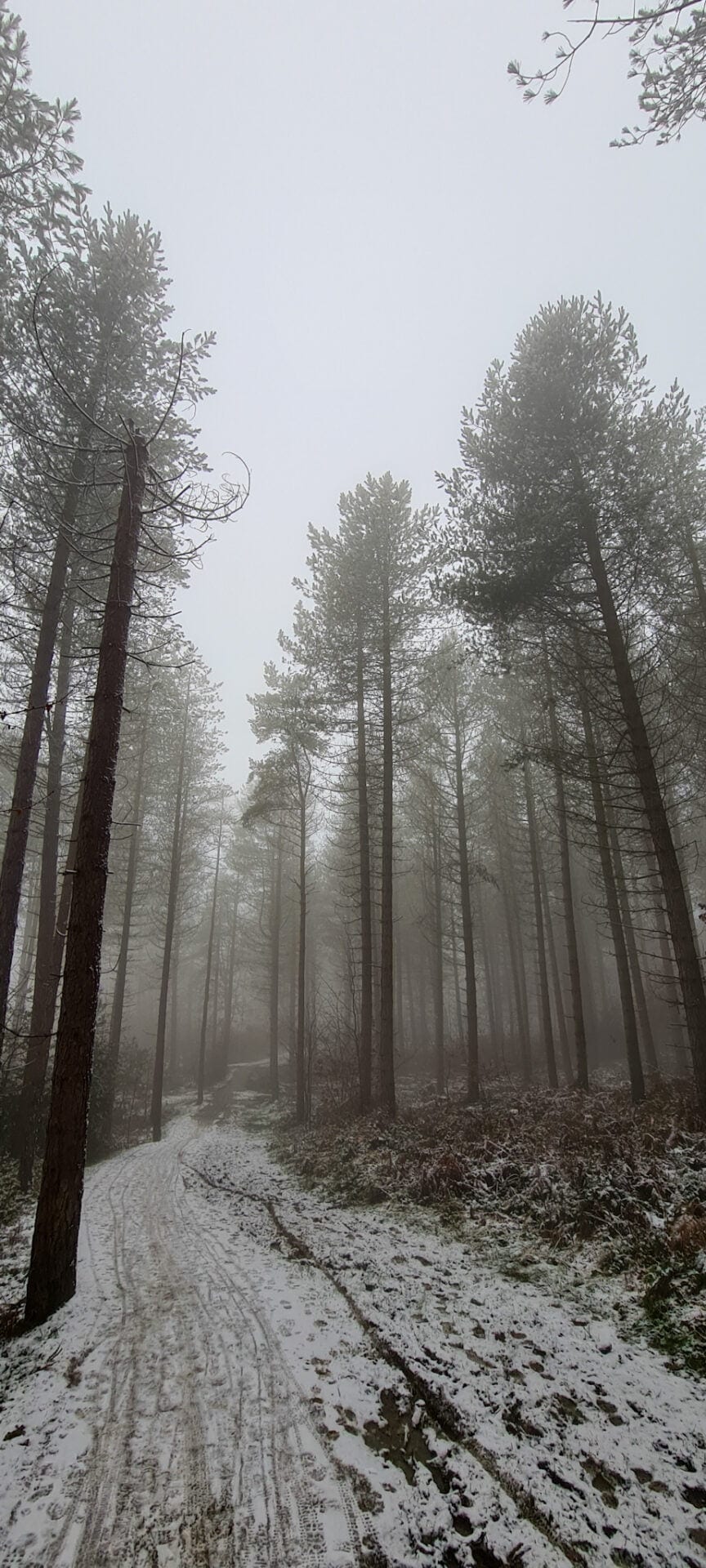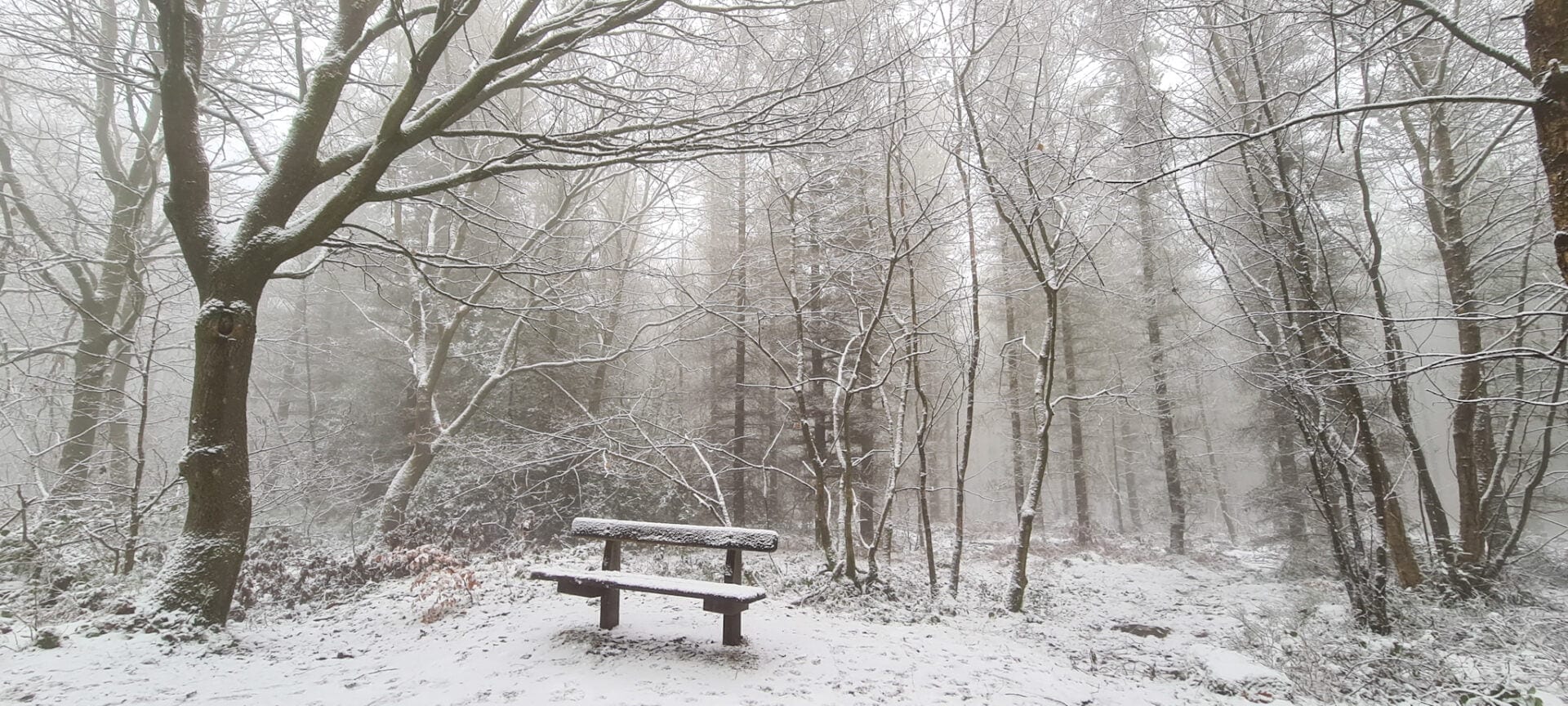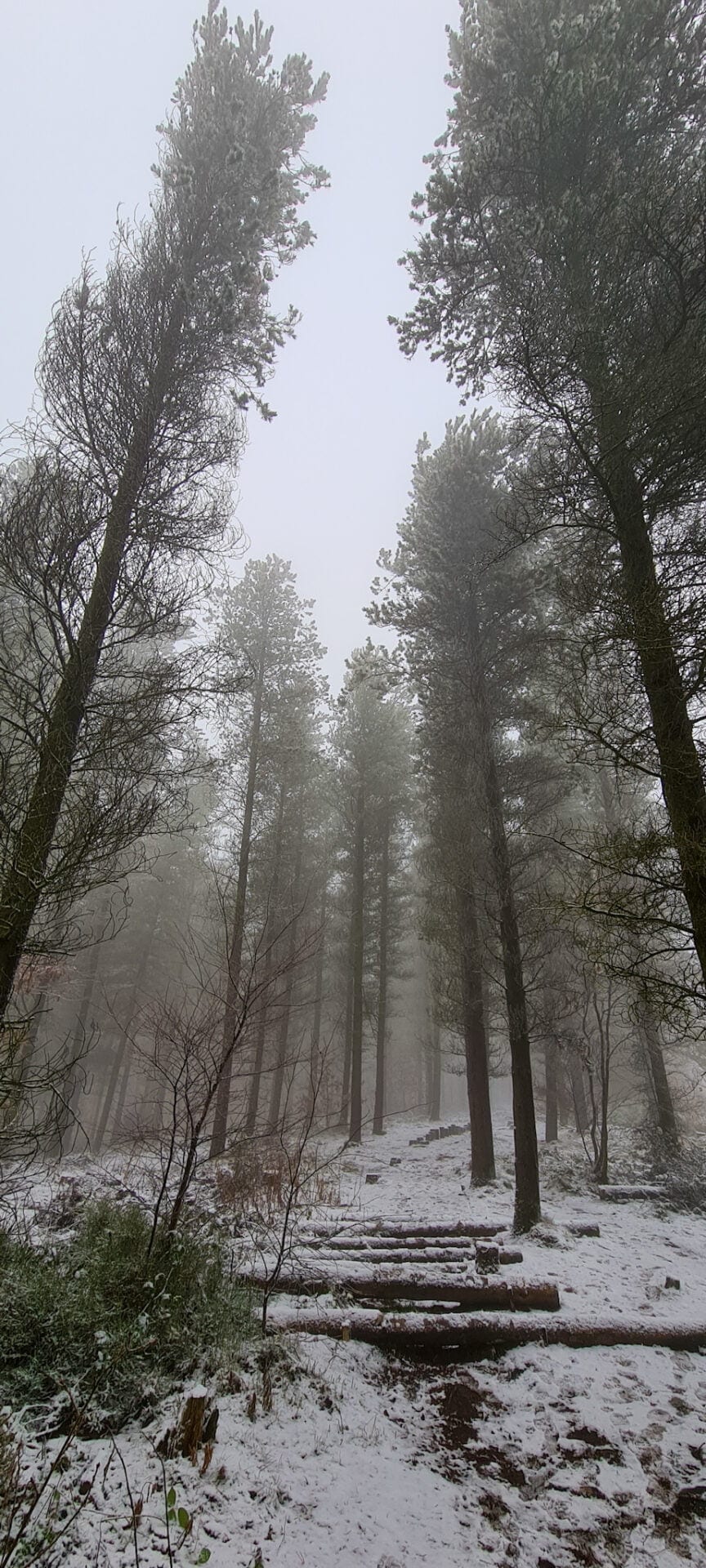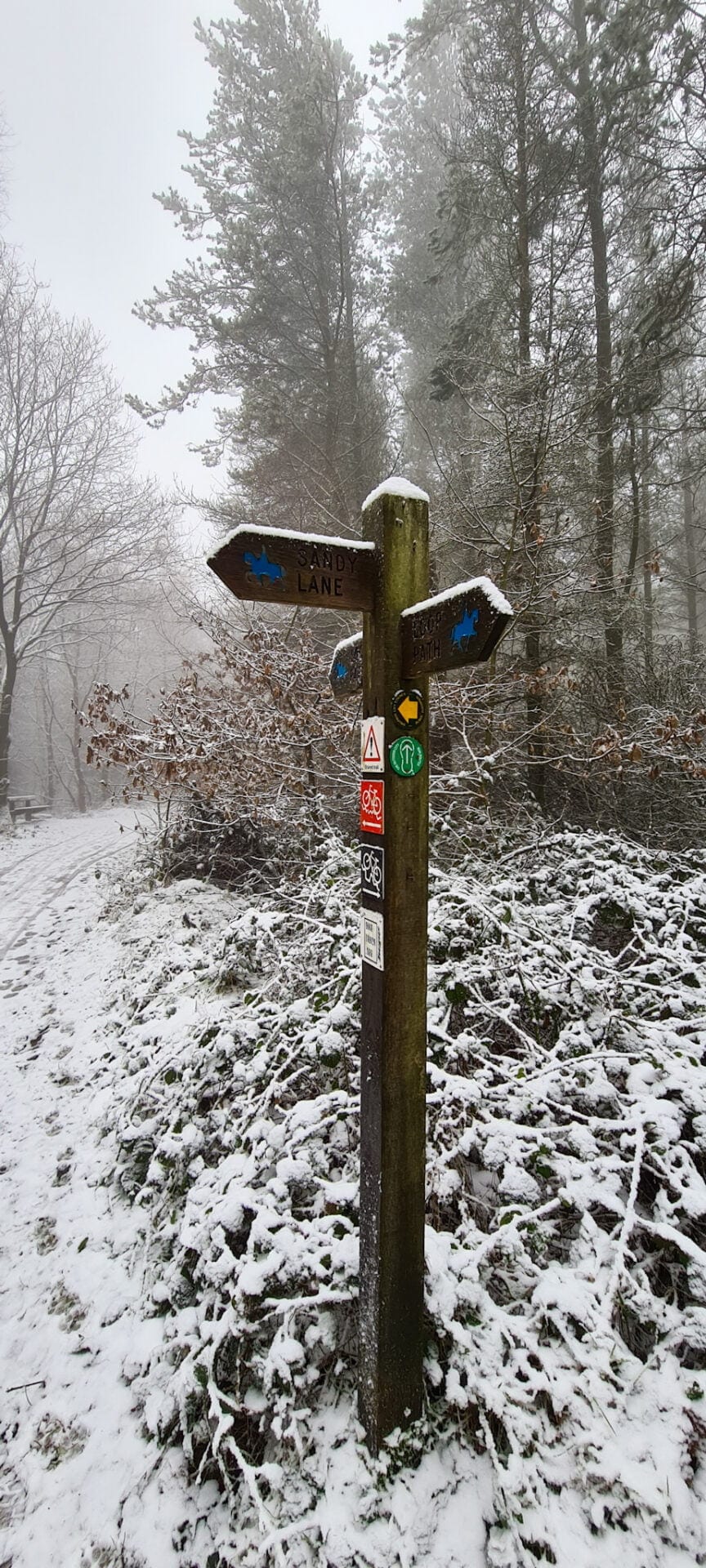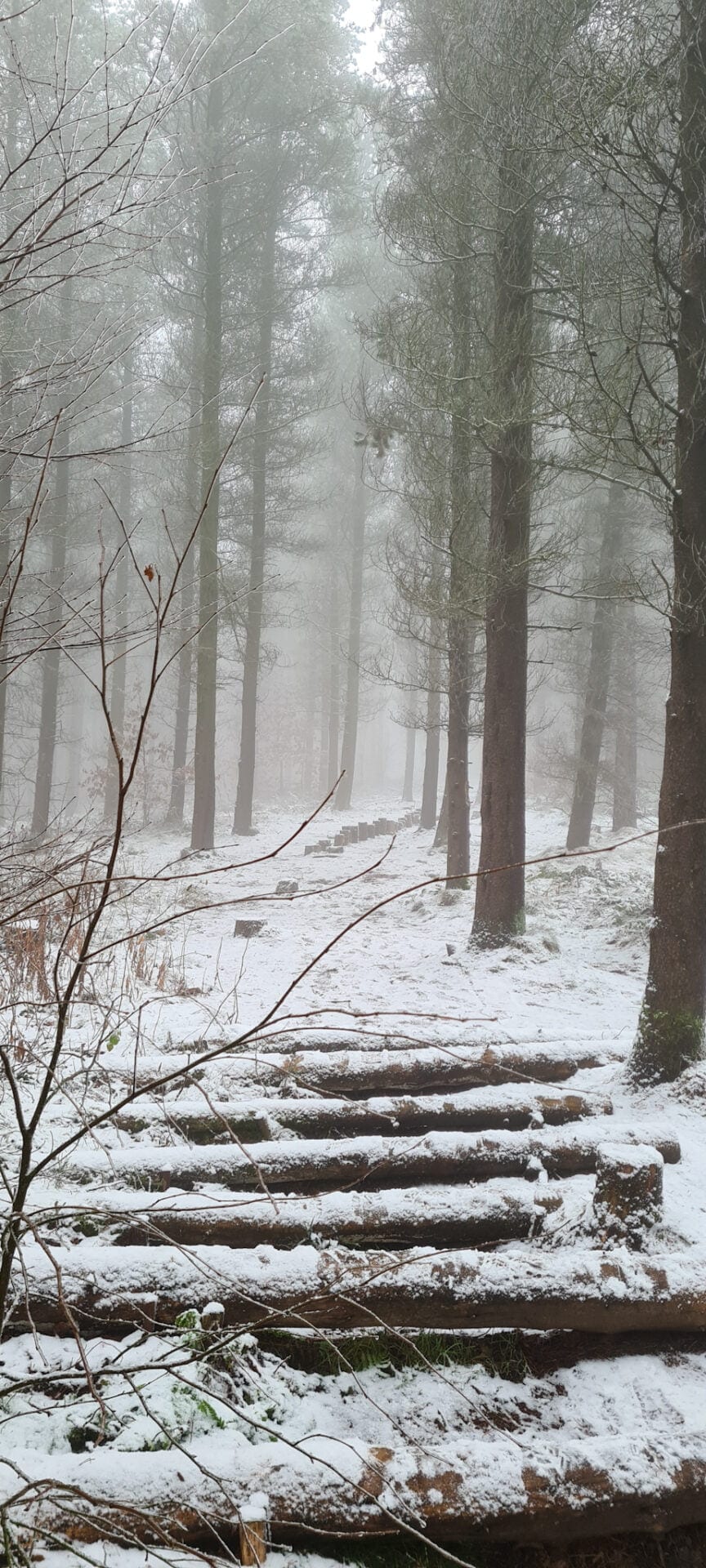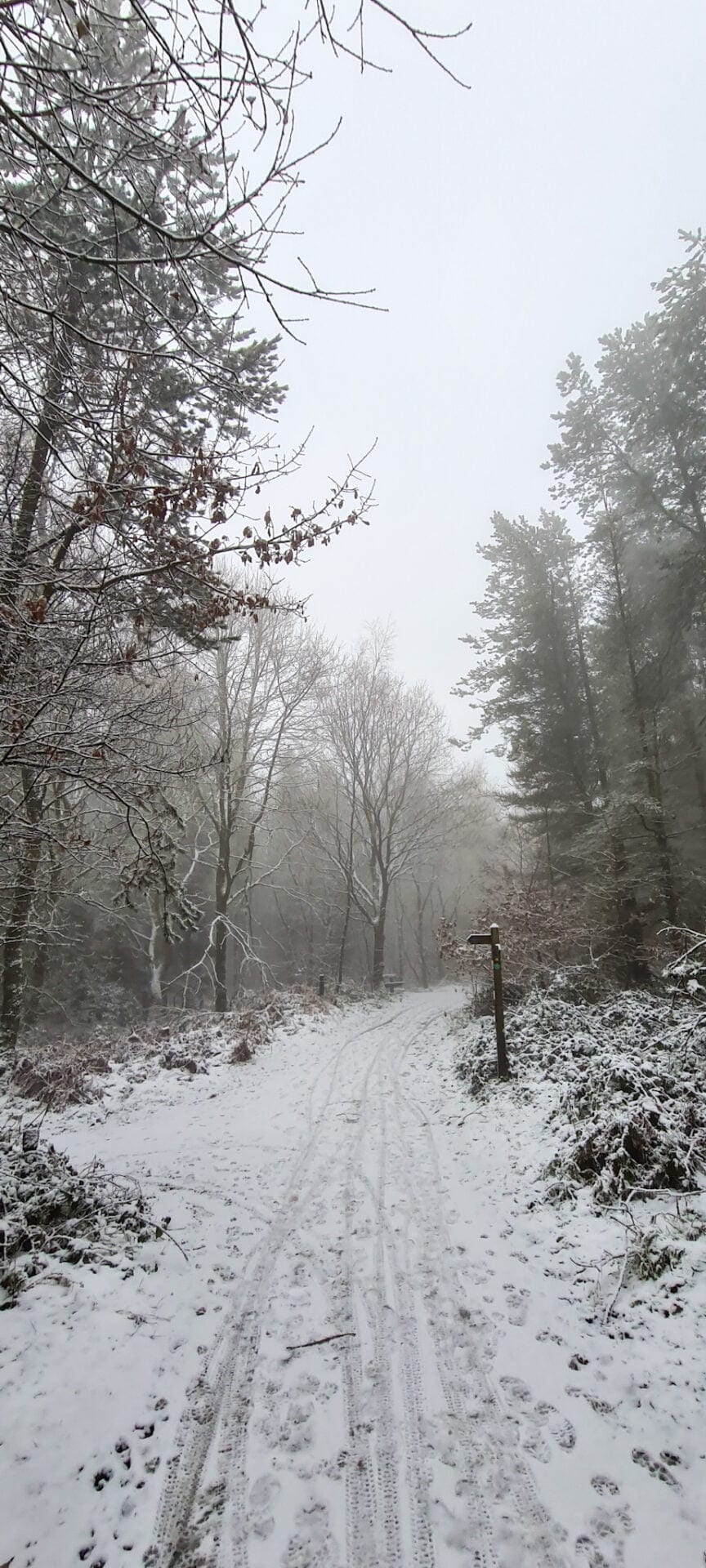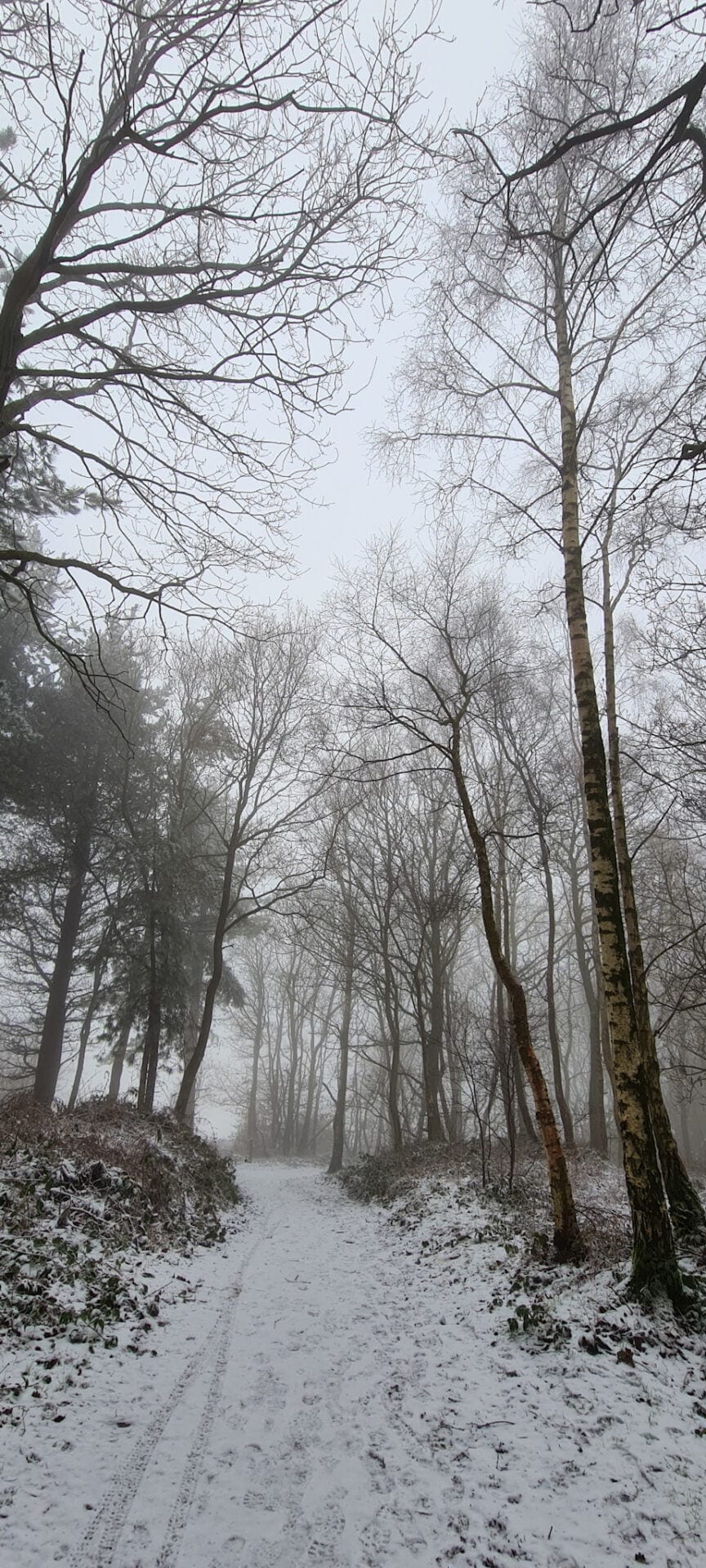
Greno Wood sits just north of Sheffield, close to Grenoside, and gives you a quick change of pace from the city into proper woodland. For van and campervan travellers passing through South Yorkshire, it works best as a daytime stop for a walk, a slower break, or a few hours away from the road.
The main approach from Sheffield is straightforward. Head north out of the city towards Grenoside, with the woods lying immediately north of the village. Most of the woodland sits between Woodhead Road and the A61, so it still feels connected to Sheffield while giving you a more open, wooded edge-of-city landscape.
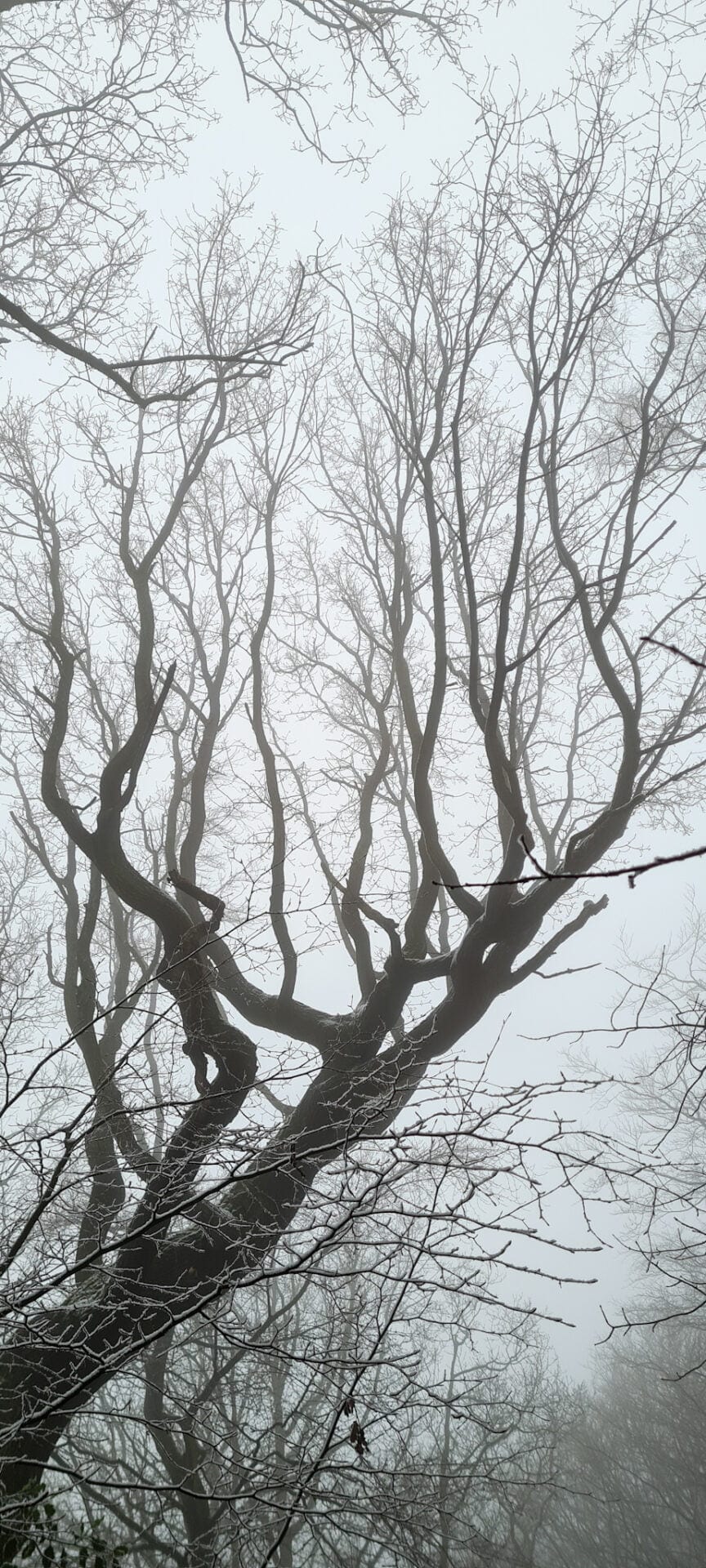
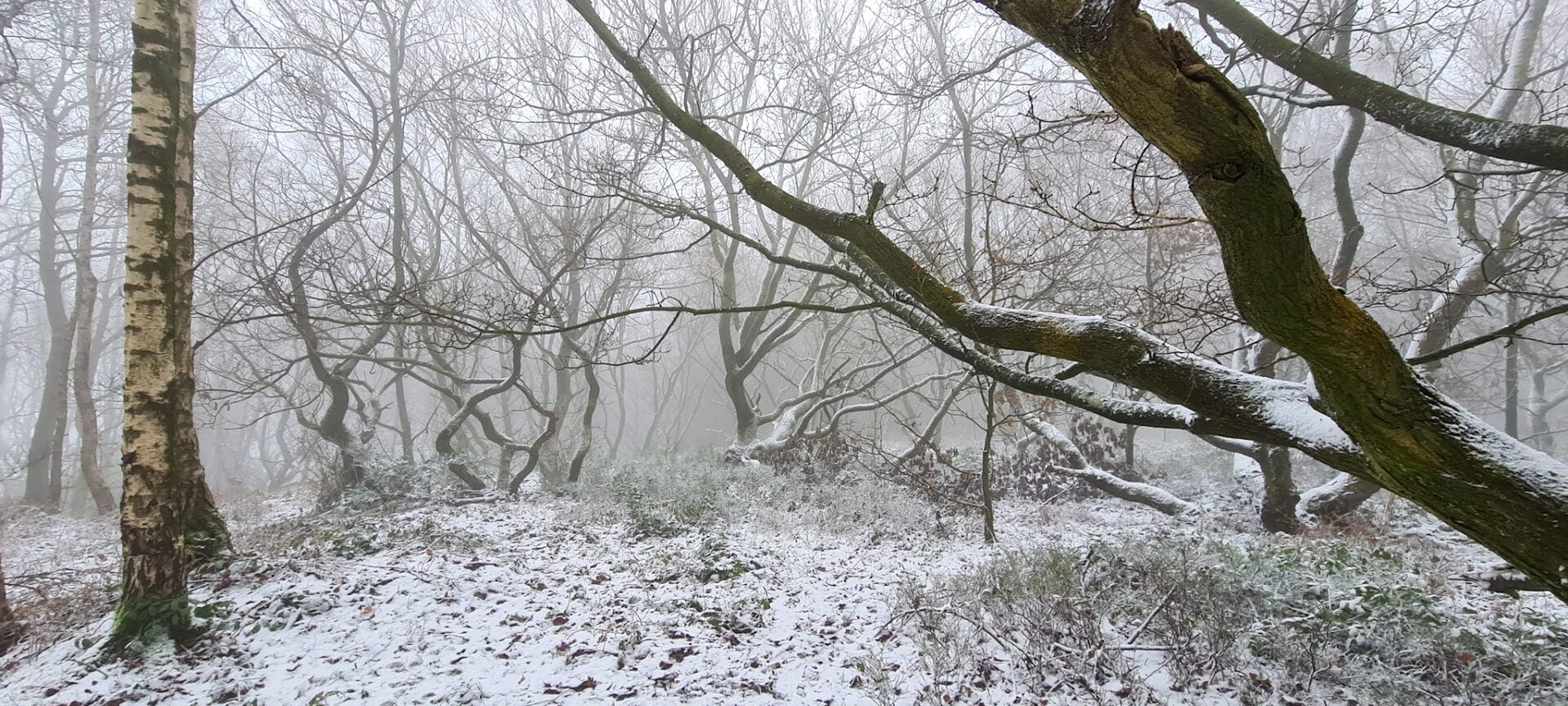
Once inside the wood, the landscape feels varied without being difficult to understand. There are older trees mixed with newer woodland growth, along with areas of mature oak woodland and heathland. Some stretches feel enclosed and quiet, while others open out enough to give a better sense of the countryside around Grenoside, Wharncliffe and the north of Sheffield.
Walking in Greno Wood
Greno Wood is mainly a place for walking at an easy, unhurried pace. A network of footpaths and bridleways runs through the reserve, giving visitors a choice depending on how much time and energy they have. It suits a short wander as much as a longer leg stretch, which makes it useful if you are travelling by van and want somewhere to break up the day.
The Greno Loop is one of the more accessible options. It offers a gentle walk through different parts of the wood and gives a good introduction to the area without feeling too demanding. For many visitors, this is the most natural first route to follow, especially if they just want to get their bearings.
For a more challenging walk, the Wharncliffe Edge Walk takes you onto rougher and more rewarding ground. The effort is higher, but the views over the surrounding countryside make it a worthwhile option for those who want more than a simple woodland stroll. It is better suited to walkers who are happy with a more sustained route rather than a quick circuit.
Away from the main routes, smaller paths criss-cross the wood. These lesser-used tracks give Greno Wood some of its quieter moments. They are useful if you like to wander without a strict plan, although it is still worth keeping an eye on your route so you do not drift farther than intended.
The Trans Pennine Trail also passes through Greno Woods, which helps connect the woodland with the wider local walking and cycling network. In practical terms, that means Greno can be part of a longer day out rather than only a self-contained woodland visit.
Parking and Access
The main parking option given for Greno Woods is the Woodhead Road Forestry Commission car park, postcode S35 7DS. Another option is to park in Grenoside village for access via Greno Gate. For Low Hall Wood, access is available from the B6546 Hallwood Road.
Public transport is also possible. Buses from Sheffield city centre serve Grenoside village, with other services running along the A61 near the reserve. Timetables can change, so it is sensible to check current services before relying on them for the return journey.
Accessibility at Greno Wood
Access varies across Greno Wood. The Trans Pennine Trail section from Greno Gate to Sandy Lane is described as wheelchair accessible, which gives a clearer option for visitors who need a more predictable surface and route.
Other parts of the reserve are more limited for wheelchair users and people with restricted mobility because of the site’s topography and the way parking and paths are arranged. If accessibility is important for your visit, it is worth planning around the Trans Pennine Trail section rather than assuming the whole wood will be suitable.
Facilities and Practical Notes
There are no public toilets or refreshments in the woodlands themselves. That matters if you are visiting with children, staying for a longer walk, or arriving in a van after some time on the road. Grenoside village is the more practical place to think about food, drink and comfort stops before or after your walk.
Dogs are allowed, but they should be kept under close control and in sight. Greno Wood is a busy shared space with wildlife, walkers, cyclists, horse riders and families using the same wider area, so keeping to the Countryside Code makes a real difference here.
Greno Woods are open to the public throughout the year. The feel of the place changes with the seasons, but so will the ground underfoot. As with most woodland walks, shoes with decent grip are a better choice after wet weather than casual trainers.
History of Greno Wood
Greno Wood has a long history, and that adds depth to a walk here. The wood was once used as a royal hunting ground, linking it with a very different version of the English countryside, shaped by aristocratic sport and land ownership.
That older history sits alongside traces of more practical, working use. Small-scale coal mining once took place in the area, and although the remains are not always obvious at first glance, they form part of the wood’s character. It is a landscape shaped by both leisure and labour, which makes it more interesting than a simple patch of trees on the edge of the city.
There has been woodland at Greno since before 1600, and the present reserve is cared for by Sheffield & Rotherham Wildlife Trust. The Trust acquired Greno Woods in 2012, and the woodland has since been managed as a nature reserve with conservation, access and recreation all sitting alongside one another.
Wildlife and Woodland Character
Greno Wood is also known for its wildlife. Birdwatchers may find plenty to look for, with species such as woodpeckers, treecreepers, warblers, tawny owls and winter visitors all recorded in the wider woodland. Even for casual visitors, the birdlife gives the wood a steady sense of movement and sound.
The plant life is varied too. Ancient oaks stand alongside wildflowers, shrubs and younger woodland growth. In spring, woodland flowers such as bluebells and honeysuckle add colour along parts of the Trans Pennine Trail. Summer brings berries, while autumn is a good time to notice fungi and the changing texture of the woodland floor.
For anyone interested in photography, sketching or simply spending time outdoors, this variety is one of the better reasons to visit. Greno Wood is not about one grand viewpoint or single landmark. Its interest comes from the smaller changes in light, ground, trees and sound as you move through it.
A Quiet Escape Close to Sheffield
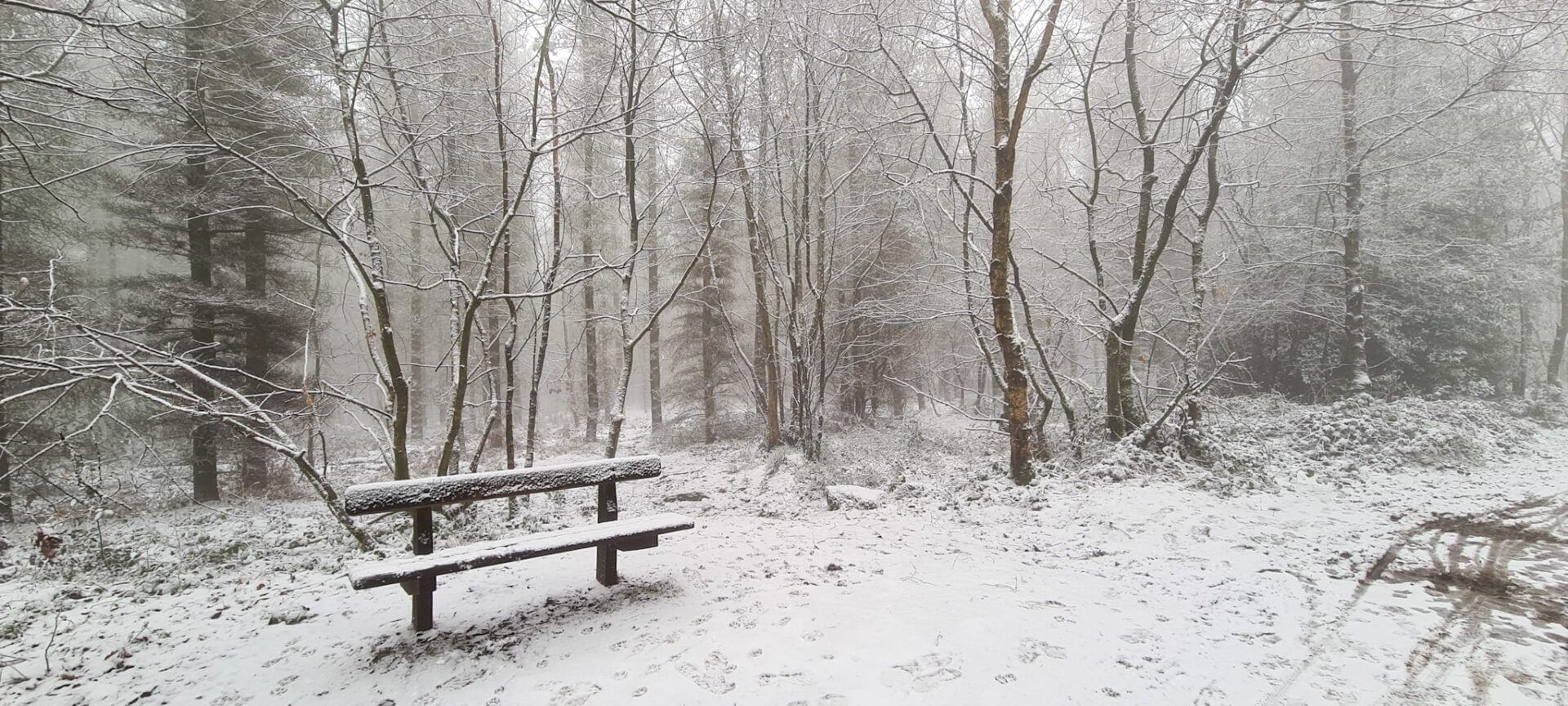
One of the strongest things about Greno Wood is how quickly it gives a sense of escape. It is close to a major city, but once you are under the trees, Sheffield feels much farther away than it really is. The soundscape changes to leaves, birds and the occasional movement of other walkers.
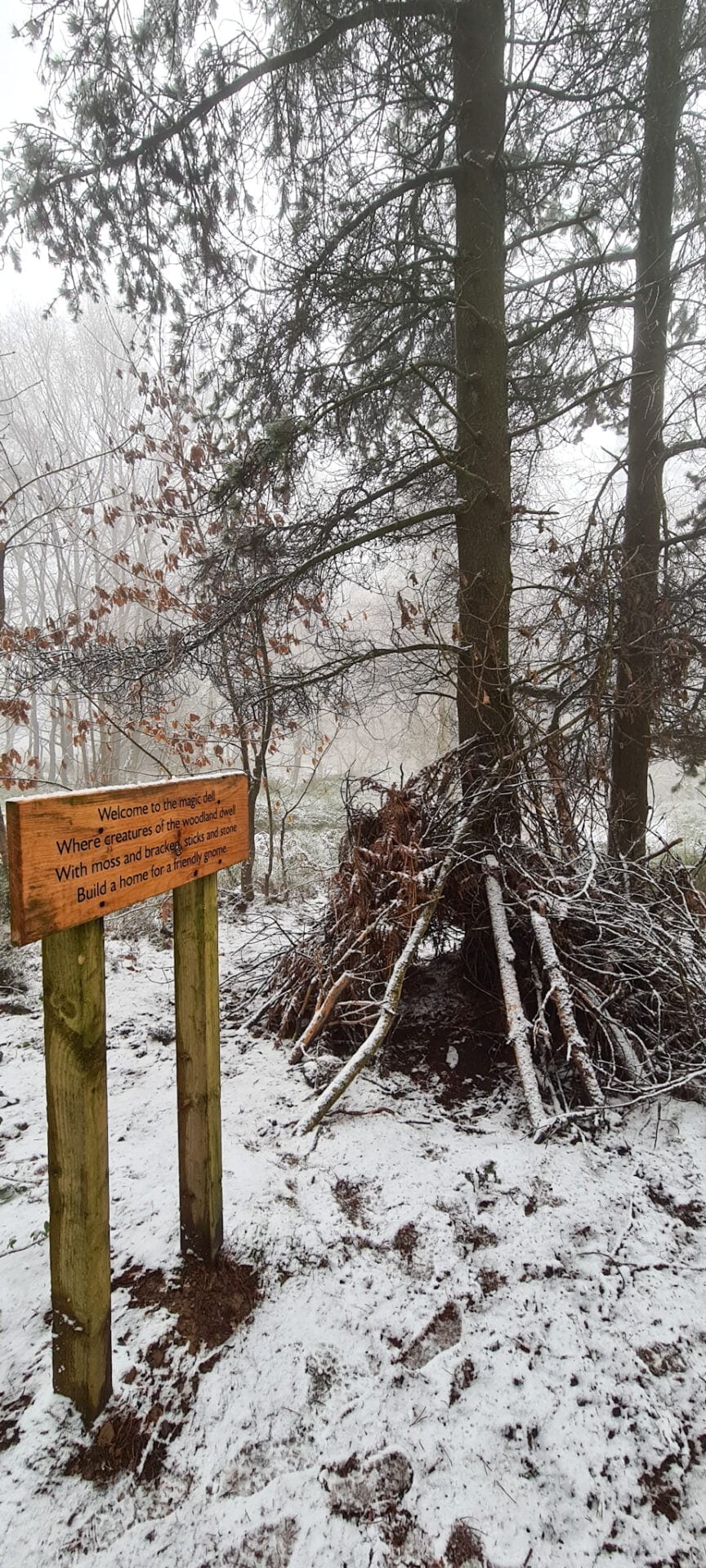
That makes it a good place for a slower kind of visit. You can walk, pause, sit for a while, or use it as a reset during a longer journey. Families also use the wood for relaxed days out, with children exploring the paths, following the Enchanted Forest Trail, looking for the geocache or trying the Greno Woods Explorer challenge.
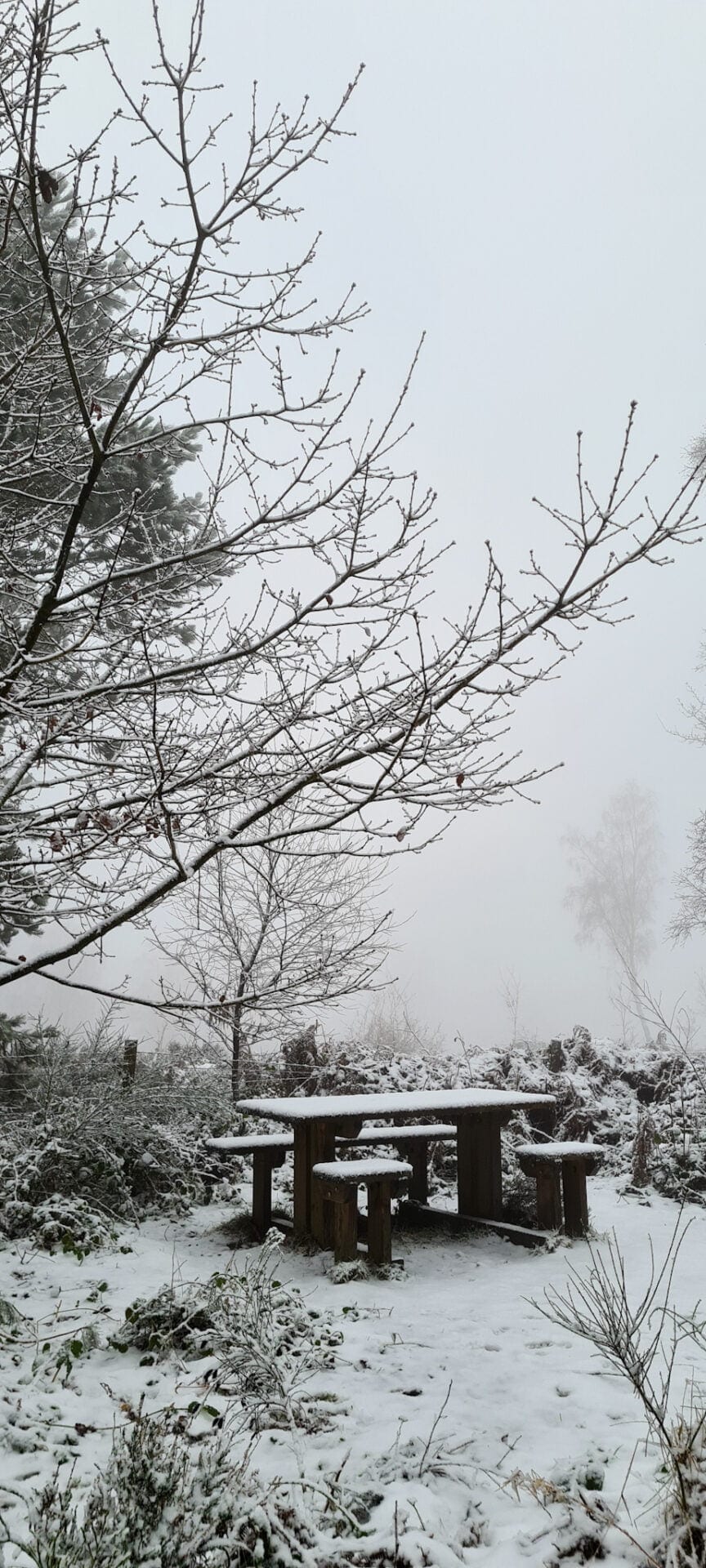
Picnic breaks are part of the appeal, but this is still a woodland reserve rather than a serviced visitor attraction. Bring what you need, keep the visit simple, and take everything away with you afterwards.
Other Activities in Greno Wood
Greno Wood is not only used by walkers. Mountain biking and horse riding also take place on designated routes, and the varied terrain gives the area a wider appeal. Cyclists can use bridleways or pass through on the Trans Pennine Trail, while more experienced riders use the three downhill mountain bike trails, including the Steel City run.
Horse riders have access to a bridleway loop of around 3km, which links with bridleways in neighbouring Wheata and Wharncliffe Woods. This makes Greno part of a larger riding landscape rather than a small isolated woodland.
If you are walking, it is worth being aware that you may be sharing parts of the area with other users. Keeping to suitable paths and watching for bikes or horses helps everyone use the wood more comfortably. The different activities are part of what makes Greno Wood feel like a well-used local landscape rather than a remote nature reserve.
Nearby Woods and Route Connections
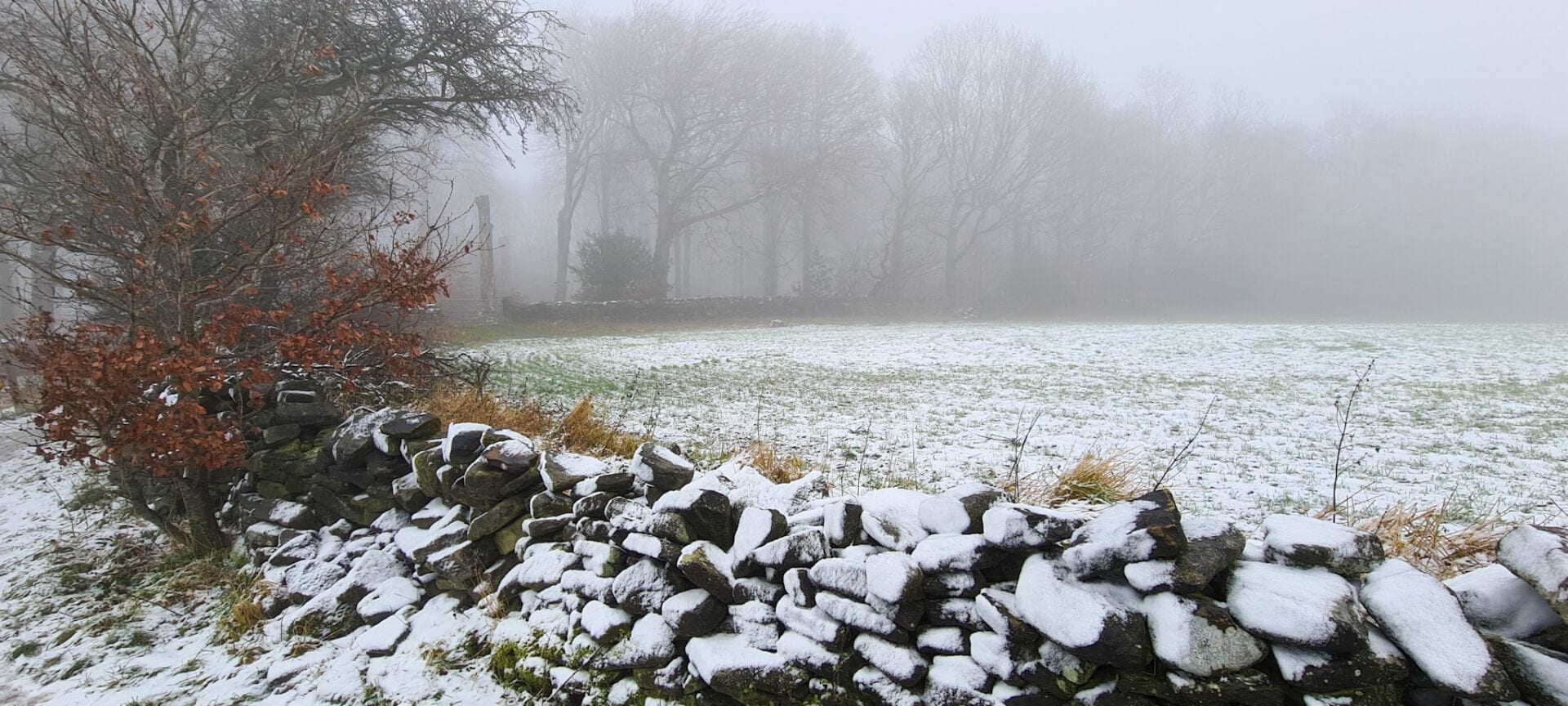
Greno Wood connects naturally with nearby Wharncliffe and Wheata Woods. Together, these woods form part of a much larger area of woodland, heathland and old field systems on the northern edge of Sheffield.
For travellers, that connection is useful. If Greno feels too short for the day you have in mind, you can look at nearby routes around Wharncliffe or Wheata rather than moving far away. It is a good part of Sheffield to treat as a wider green edge, with several walking and outdoor options close together.