
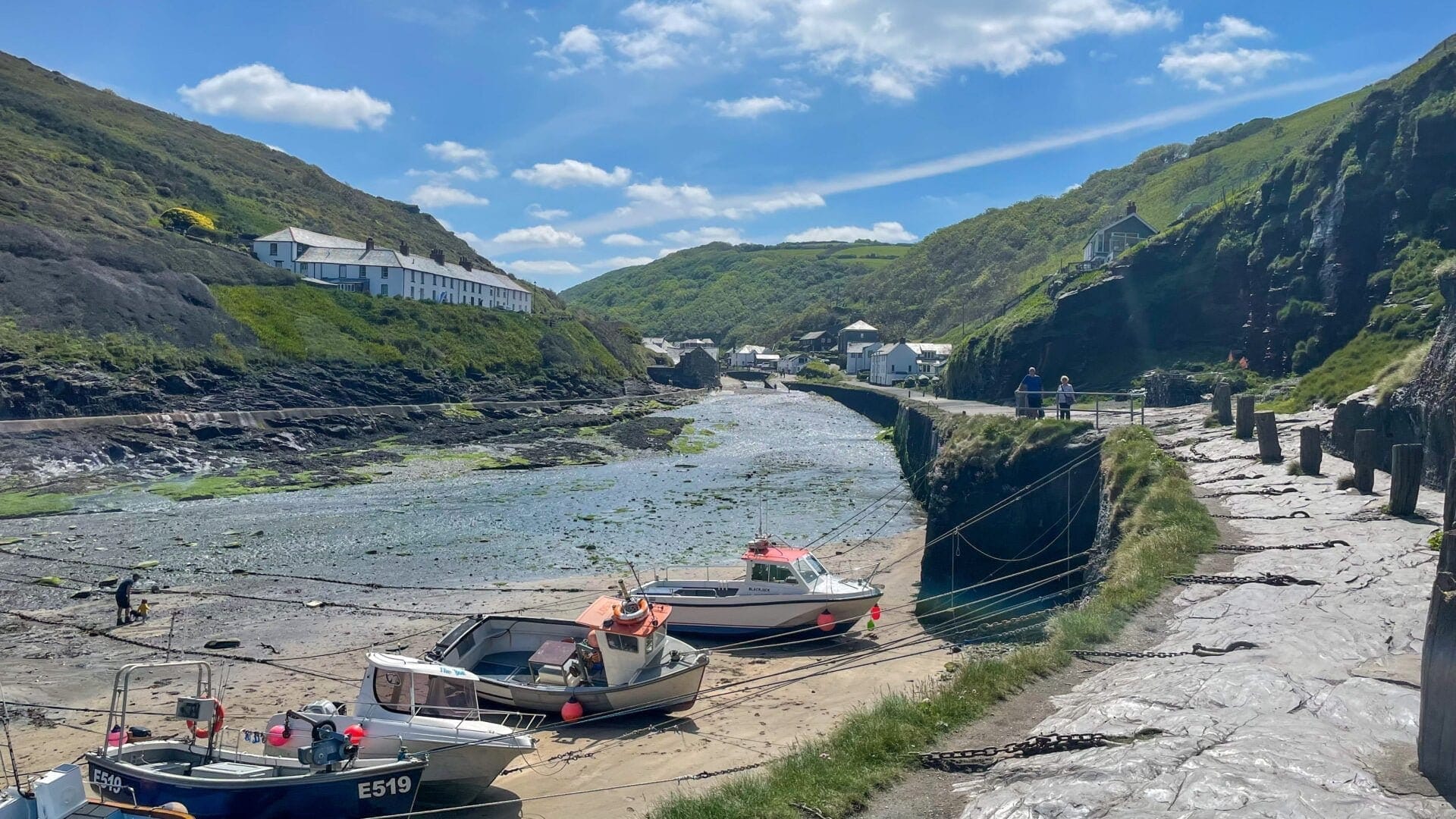
A two-week camping trip across Cornwall and North Devon is a good way to see how varied this part of the South West can be. The route moved from the surf beaches and coastal paths around Newquay to the southern edge of Cornwall, before heading north through Boscastle, Fowey and into North Devon.
It was not a fast trip, and that suited the places we visited. Some days were about walking along exposed cliffs. Others were slower, with time in villages, coves and coastal towns. For anyone travelling by car, van or campervan, it is the kind of journey where the driving, parking and daily route planning matter almost as much as the places themselves.
First Impressions of Newquay
Our trip began in Newquay, a town closely linked with surf culture, beaches and coastal views. It made a lively starting point, especially after the drive down and the usual settling-in that comes with the first stage of a camping trip.
Newquay gave the journey a clear coastal focus from the start. The beaches, surf and nearby walks made it feel like a natural base for beginning a longer route through Cornwall. It was also a useful reminder that this kind of trip works best when there is enough flexibility to follow the weather, the tide of the day and the energy you have after travelling.
Journey to the Southern Tip: Lizard Point and Kynance Cove
From Newquay, the journey continued towards Lizard Point and Kynance Cove. The walk between them was one of the strongest coastal sections of the trip, with rugged paths, open sea views and the Atlantic stretching out beside the route.
This part of Cornwall felt more exposed and dramatic than the earlier stop in Newquay. It is the sort of place where allowing enough time makes a difference. The views unfold gradually, and rushing the route would take away much of what makes it memorable.
The day ended at Wheal Coates, where the old tin mining remains sit above the sea. After the coastal walking earlier in the day, it added a different layer to the route, linking Cornwall’s landscape with its mining history.
Exploring Boscastle and the Magical Museum
Boscastle brought a slower and quieter change of pace. After the open coastal sections, the village felt more enclosed, with a character that was very different from the surf beaches and cliff paths earlier in the trip.
The main stop here was The Museum of Witchcraft and Magic. Its focus on folklore, magic and the occult gave the day a different tone and added some cultural depth to the journey. It was less about covering distance and more about spending time in a place with a strong identity.
For a longer camping or road trip, this kind of stop helps break up the route. Not every day needs to be built around a long walk or a major viewpoint. Boscastle worked well as a quieter pause between the bigger coastal sections.
Historical Wanderlust: St Catherine’s Castle to Fowey
The route then turned towards St Catherine’s Castle, Readymoney Cove and Fowey. This section combined history, coast and town in a way that felt more varied than some of the earlier walking days.
St Catherine’s Castle gave the route a clear historical focus, while the walk towards Readymoney Cove and onwards to Fowey kept the sea close by. It was a good reminder that Cornwall’s appeal is not only in its beaches and cliffs, but also in the way old sites, working towns and sheltered coves sit close together.
For travellers moving between campsites, car parks or overnight stops, this is the kind of day that benefits from a simple plan. Knowing the order of places you want to visit helps avoid doubling back and makes the day feel more relaxed.
Transition to North Devon
After Cornwall, the trip moved into North Devon. The change in landscape was noticeable. The sharp cliffs and coves of Cornwall gave way to a softer mix of hills, valleys and quieter coastal places.
It felt like a shift in pace as much as a change in scenery. Cornwall had been more dramatic and immediate. North Devon felt calmer and more understated, which suited the later part of a two-week trip when the aim was less about constant movement and more about taking in the last few stops properly.
Discovering North Devon’s Gems
North Devon offered a gentler kind of adventure. Hartland Quay and the waterfall were among the highlights, bringing back some of the raw coastal energy that had stood out earlier in Cornwall.
Other places, including Heddon Valley and Mouth, Ilfracombe, Sandy Cove and Lee Beach, had a quieter charm. They did not carry quite the same drama as the Cornish coastline, but they added variety to the trip and gave the second week a more relaxed rhythm.
This part of the journey felt especially suited to travellers who prefer slower days, shorter stops and a bit more space between the main sights. For van and campervan travellers, that slower pace can be useful too, as it gives more room for practical things such as planning the next drive, checking access and avoiding rushed arrivals.
Farewell Walk to Baggy Point
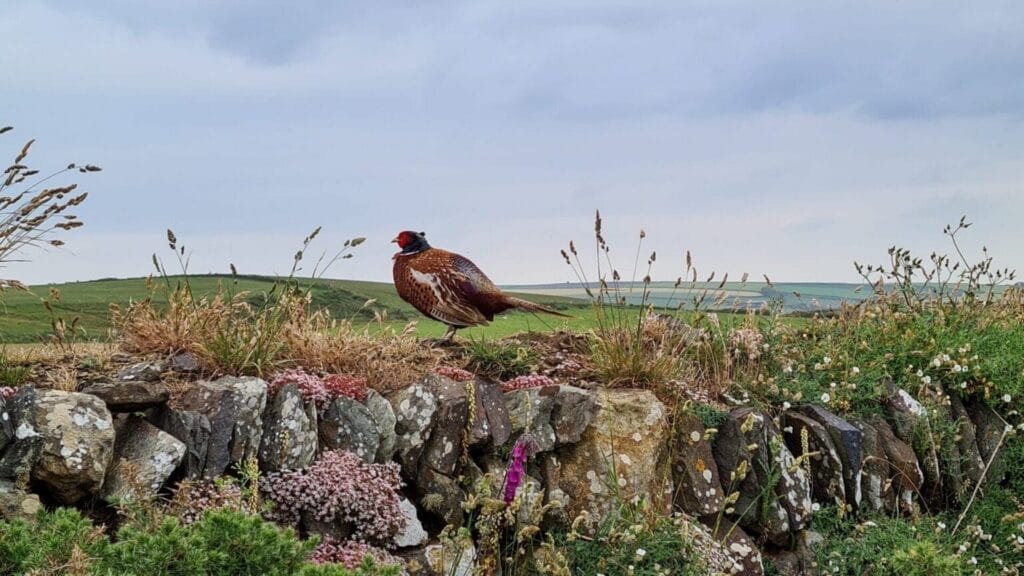
The trip ended with a walk to Baggy Point. After two weeks of beaches, cliffs, villages, coves and camping stops, it made a fitting final route.
The walk had a quieter, more reflective feel than some of the earlier days. With the sea stretching out ahead, it was a chance to look back over the journey rather than rush towards another stop.
For me, that was the value of this Cornwall and North Devon camping route. It was not just one place or one view that stood out, but the way the trip built gradually. Newquay set the coastal tone, Lizard Point and Kynance Cove brought the drama, Boscastle and Fowey added history and character, and North Devon gave the journey a calmer ending.
For anyone planning a similar trip, the route works best with enough time to slow down between stops. The distances, walks and coastal roads are all part of the experience, especially if you are travelling by van, campervan or car and need to think carefully about where each day begins and ends.