



The Costs You Don’t Notice Until You’re Already on the Road
One of the quieter shocks of travelling the UK by van isn’t the obvious stuff like fuel or campsite fees. It’s the steady drip of secondary charges that only become visible once you’re already moving.
They’re not hidden. Most are clearly set out somewhere. But they sit just outside what many of us instinctively count as “travel costs”. On their own, they’re manageable. Over a few weeks or a longer stretch away, they start to shape both the feel and the budget of a trip.
These are the charges that tend to catch people out, how they usually apply to vans, and where assumptions can unravel.
Clean Air Zones, ULEZ and Low Emission Charges
Emissions-based charging is one of the least intuitive costs for van travel.
Why vans are treated differently
A lot of campervans are registered as:
- Light commercial vehicles
- Panel vans
- Motor caravans with commercial emissions classifications
That classification can matter more than how you actually use the vehicle. Even if it’s privately owned and lightly driven, it may not be treated the same as a car.
What that means in practice
- Some zones charge vans a daily rate, regardless of mileage
- Compliance is based on emissions standard, not how little you drive
- Charges can apply 24 hours a day
The issue isn’t always the cost itself. It’s the assumption. It’s easy to think that if a car is exempt, a campervan will be too. That isn’t always how it works.
Congestion Charges and Time-Based Fees
Separate from emissions, some cities operate congestion or access charges that apply simply for being there during certain hours.
In most cases they:
- Use automatic number plate recognition
- Require proactive payment, even if you missed the sign
- Apply per day, so they stack if you stay a while
A short city stop can quietly become expensive once daily access charges sit alongside parking fees.
Toll Roads, Bridges and Tunnels
There aren’t many toll roads in the UK, but depending on your route, certain crossings are hard to avoid.
These often include:
- Estuary crossings
- Major river bridges
- Urban tunnels
What catches van travellers out is how vehicles are classified.
- Higher rates may apply above certain heights or axle weights
- Classification can vary between crossings
I’ve paid different prices for the same van on different bridges. The only difference was how each operator decided to categorise it.
Ferries: Size Counts More Than Distance
Ferries are where vehicle dimensions start to matter in a very direct way.
Pricing is usually based on:
- Vehicle length
- Vehicle height
- Sometimes weight
A small difference in declared size can move a van into a higher pricing band. Roof boxes, bike racks and pop-tops can all affect the cost.
It’s worth checking how an operator measures vehicles, rather than assuming there’s a standard “campervan” rate. Often there isn’t.
Council Car Parks and Overnight Fees
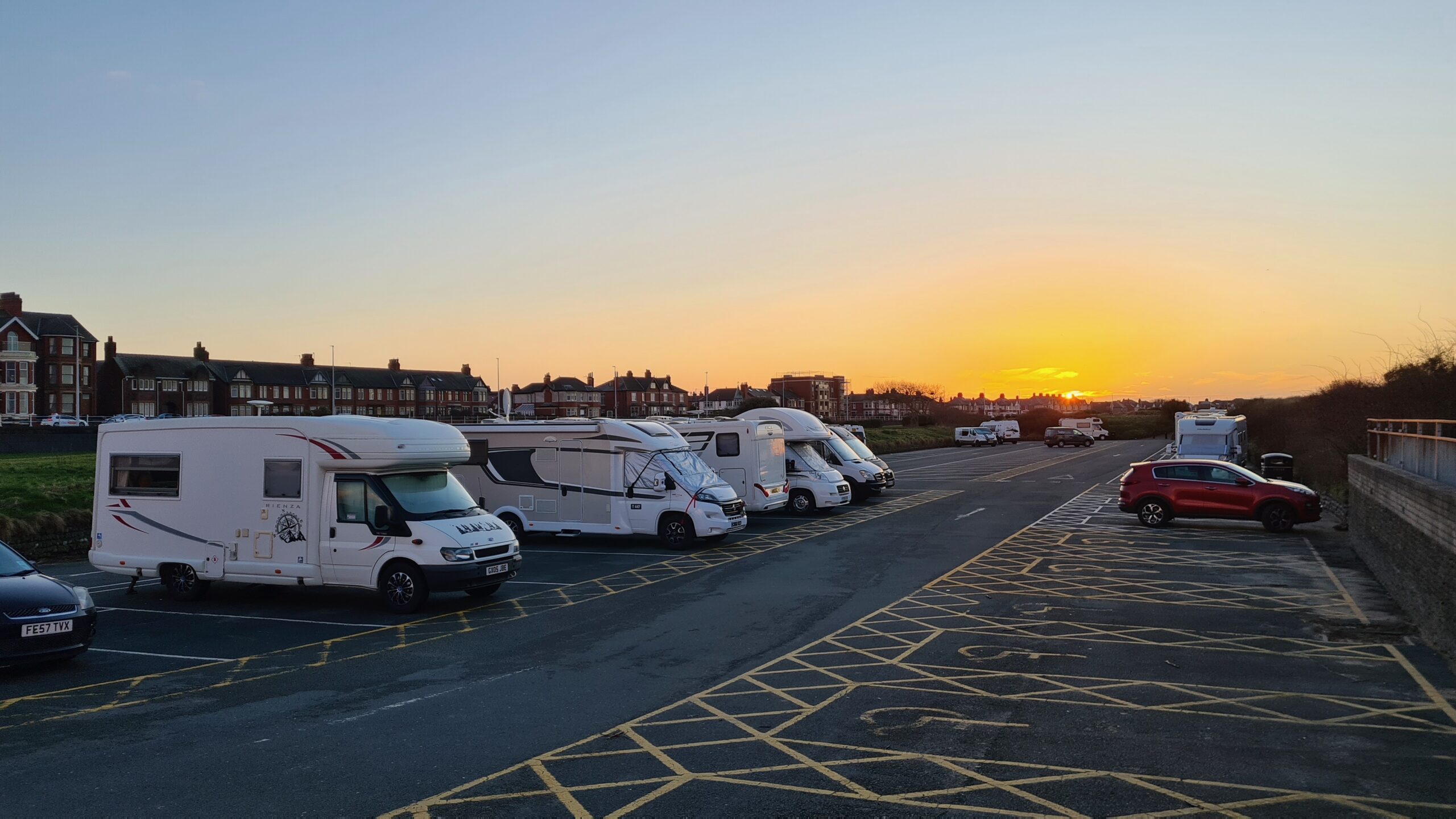
Even when overnight parking is allowed, it doesn’t automatically mean it’s free.
Some councils:
- Charge flat overnight rates
- Require payment until early morning
- Enforce via ANPR rather than physical tickets
In certain places, daytime and night-time tariffs overlap. A simple overnight stay can trigger two separate fees without you realising until later.
Service Points, Water and Waste
Facilities that are free in one area can be chargeable in another.
Common examples:
- Paid motorhome service points
- Coin-operated water taps
- Charge-per-use waste disposal
None of these are large sums individually. But if you’re relying on them regularly, the total becomes noticeable.
Breakdown Cover Limitations
Breakdown policies don’t always treat campervans in the same way as cars.
Potential issues include:
- Height or weight exclusions
- Limited cover for converted vans
- Additional recovery charges in certain locations
If you’re travelling in winter or spending time on rural routes, you’re more likely to discover these limits at a moment you’d rather not.
Fines and Penalties: The Costliest Oversight
The most expensive charges are usually the ones you didn’t intend to incur.
They often come from:
- Misunderstood parking zones
- Missed emissions payments
- Height restrictions realised too late
With automated enforcement, there’s rarely much room to explain yourself afterwards.
Common Assumptions That Don’t Hold
“I’m not driving much, so it won’t add up.”
Many charges are based on entry or time, not mileage.
“My van counts as a car.”
Registration category often matters more than how you use it.
“I’ll see the signs.”
A lot of systems rely on cameras rather than clear roadside prompts.
Practical Takeaways
- Check emissions and access rules before entering cities
- Don’t assume car exemptions apply to vans
- Measure and declare ferry dimensions carefully
- Expect small, repeated costs to accumulate
- Treat urban travel as its own budget line
It’s the Accumulation That Changes the Feel
None of these charges are unusual on their own. What shifts the experience of van travel in the UK is how frequently they appear once you move beyond campsites and quiet rural roads.
Emissions zones, city centres, ferry routes and service facilities are all predictable pressure points. Once you start to recognise them, budgeting becomes more realistic and surprises fewer.
Most of these costs aren’t unavoidable. But they do become easier to manage once you know where they tend to sit.